
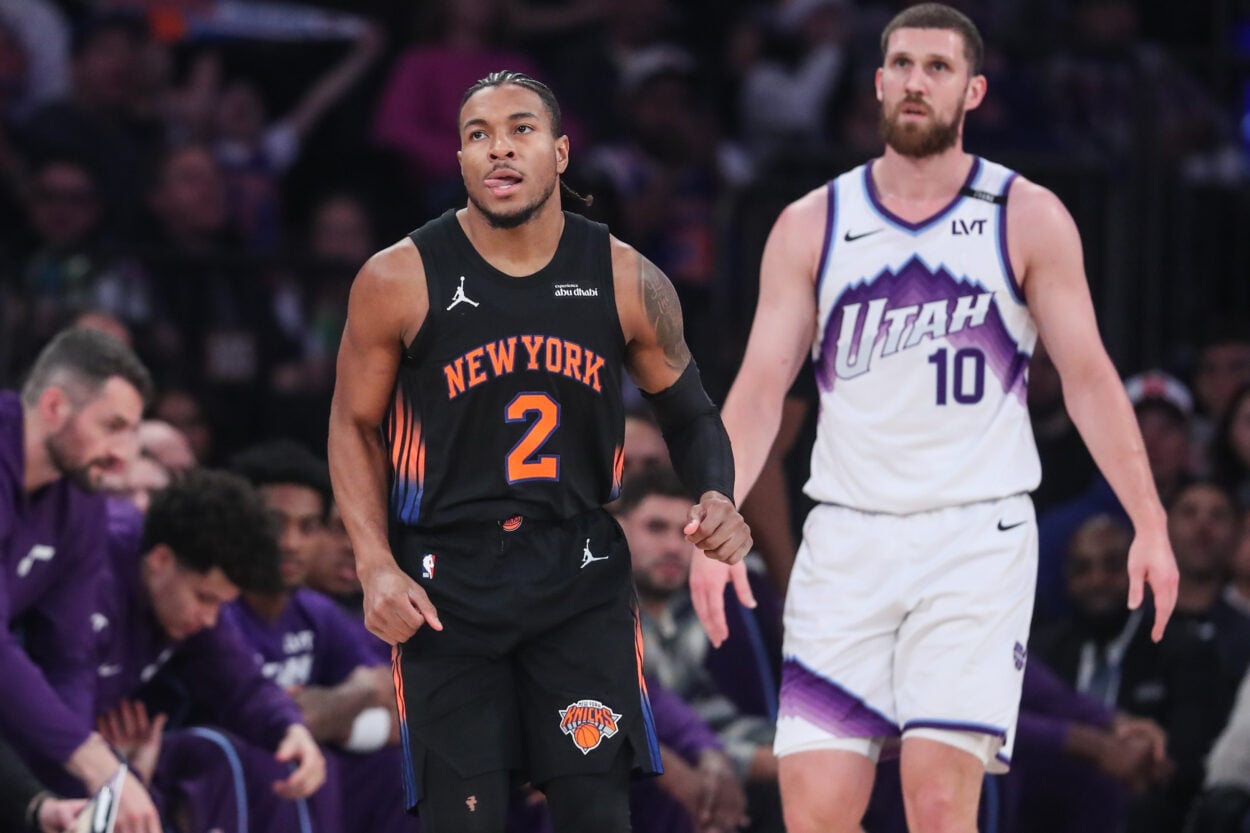
If you blinked during Friday night’s contest, you probably missed the moment the New York Knicks stopped playing basketball and started conducting a symphony of destruction against the Utah Jazz.
Dropping a staggering 146 points isn’t just a win; it is a statement that echoes all the way to Oklahoma City and Milwaukee, signaling that this roster is capable of dominance. While skeptics will point to Utah’s lackluster 8–14 record and try to minimize the victory, those people are missing the forest for the trees.
Great teams don’t just beat the bottom feeders; they eviscerate them, leaving no doubt about the hierarchy of the league before the fourth quarter even starts.
The Knicks did exactly that, treating the Jazz like a glorified G-League squad and reminding the Garden faithful that when this machine is humming, they are borderline unstoppable. This wasn’t a grind-it-out Mike Brown slugfest; it was an offensive clinic that proved New York can win shootouts just as effectively as they win defensive struggles.
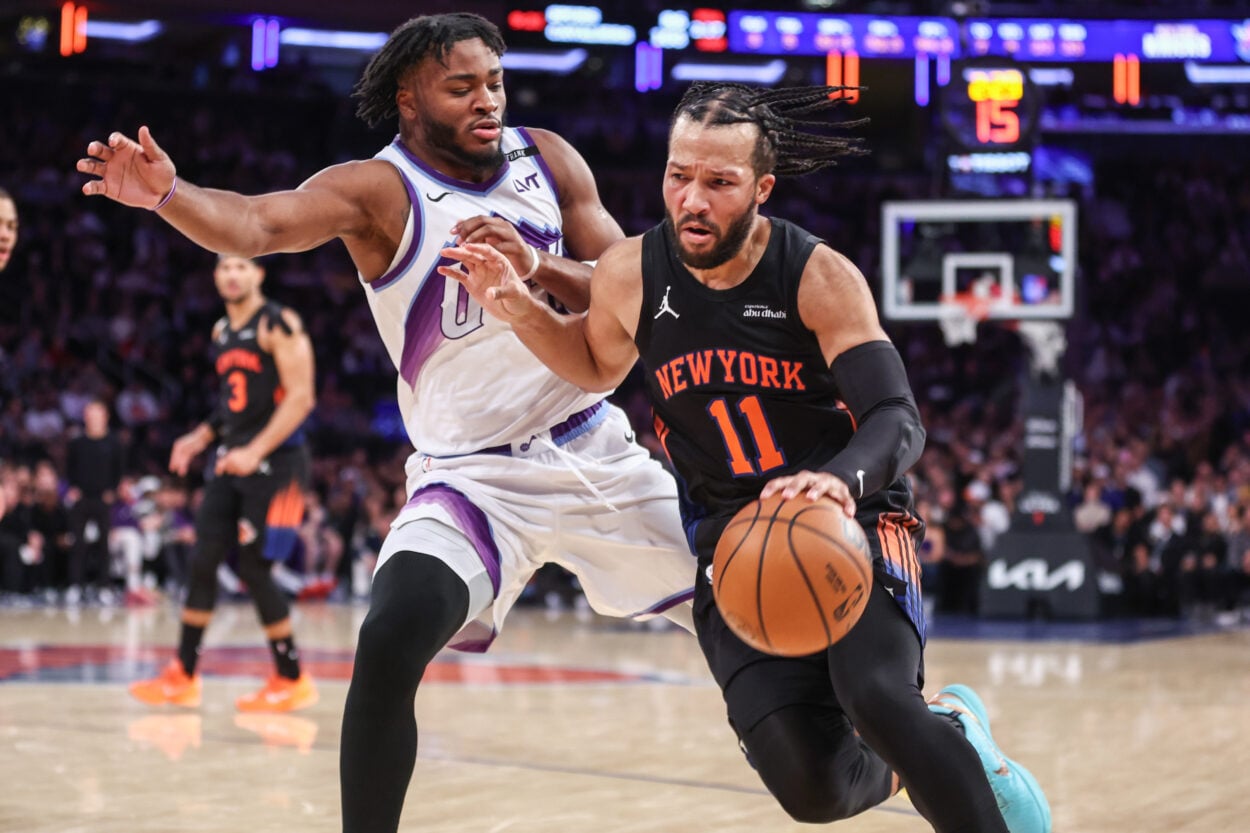
Miles McBride Is the Best Bargain in Professional Sports
While the stars usually grab the headlines, the story of the night—and a big one lately—is the absolute flamethrower attached to Miles McBride’s right arm.
In just 22 minutes of action, McBride torched the Jazz for 22 points, a point-per-minute pace that is usually reserved for superstars in video games. Shooting 7-of-11 from the field and draining 7-of-10 from downtown is absurd efficiency, but doing it while posting a +35 plus/minus is the kind of impact that wins championships.
McBride isn’t just a spark plug anymore; he is a legitimate flame thrower who has transformed the Knicks’ bench unit into a weapon of mass destruction.
Averaging a career-high 12 points per game through the first 19 contests, “Deuce” is shooting a blistering 46.2% from three-point range, forcing opposing defenses to pick their poison. You can try to double-team Jalen Brunson or collapse on the paint, but leaving McBride open on the perimeter is now officially a death sentence.
The Sixth Man Narrative Is Real and It’s Spectacular
We need to start having a very serious conversation about the Sixth Man of the Year award because Miles McBride is crashing that party with the subtlety of a sledgehammer. His stat line—adding 2.5 assists and 2.6 rebounds to his scoring punch—shows a complete guard who affects the game on every level, including the gritty defensive end that earned him his minutes in the first place.
Most bench scorers give you buckets and give them right back on defense, but McBride is locking up opponents while simultaneously shooting the lights out.
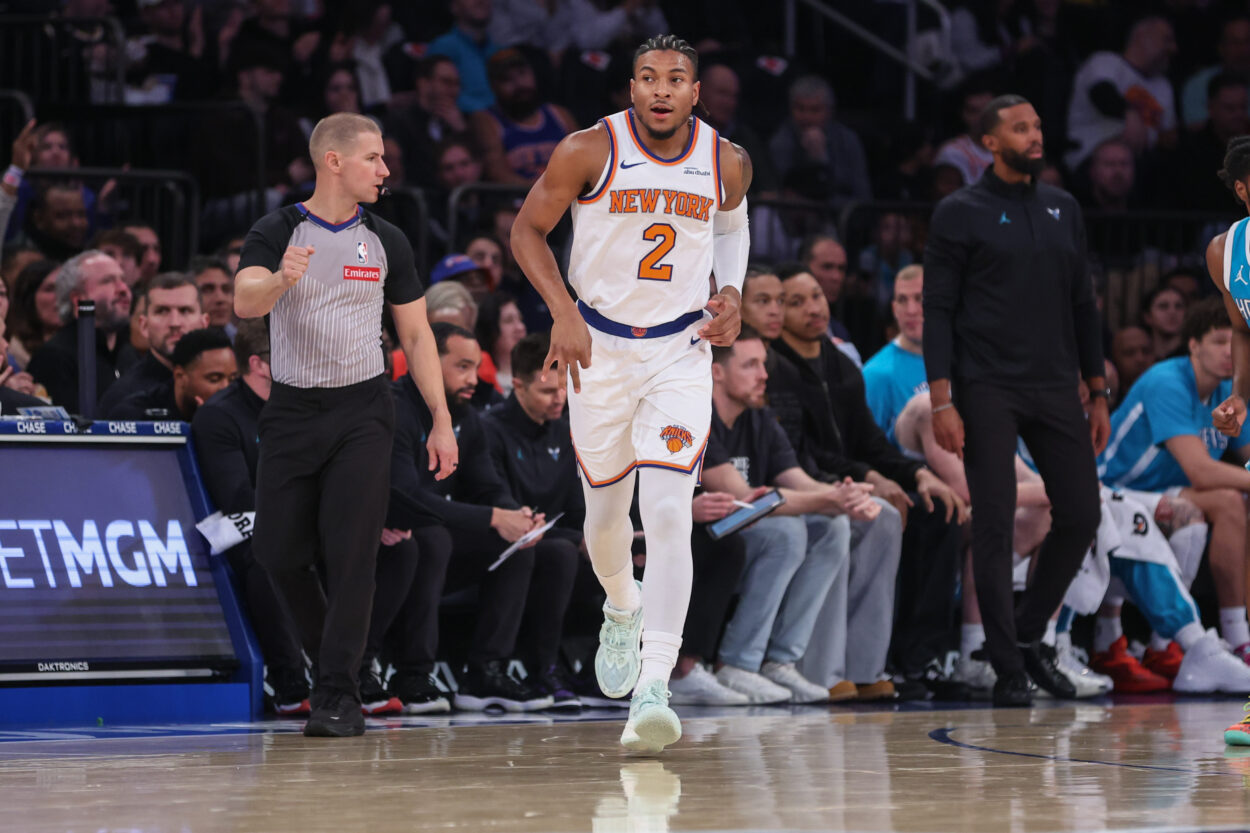
The front office looks like a group of absolute geniuses right now for locking him into that three-year, $13 million deal. In a league where rotation players are commanding $20 million a year, getting this level of production for roughly $4 million annually is highway robbery for Leon Rose and the Knicks brass. Every time McBride hits a three, the value of that contract goes up, and the flexibility it gives the team to build around him is unmatched.
Show Me the Money: The Future Is Expensive but Bright
The only “problem” with McBride’s ascent is that the secret is officially out, and the price tag for his next contract is rising with every swish of the net. He is positioning himself beautifully for a massive payday after next season, and frankly, he is earning every future cent of it right now. If he continues to play at this level, he won’t just be a role player; he will be a cornerstone piece that teams across the league will covet.
For now, Knicks fans should just sit back and enjoy the ride, because watching a homegrown talent blossom into a legitimate killer is one of the sweetest sights in sports. McBride has gone from a defensive specialist fighting for minutes to an offensive engine, and he is a major reason why this team looks ready for a deep run. The Jazz found out the hard way, but the rest of the NBA is about to learn that you can’t sleep on Deuce.