
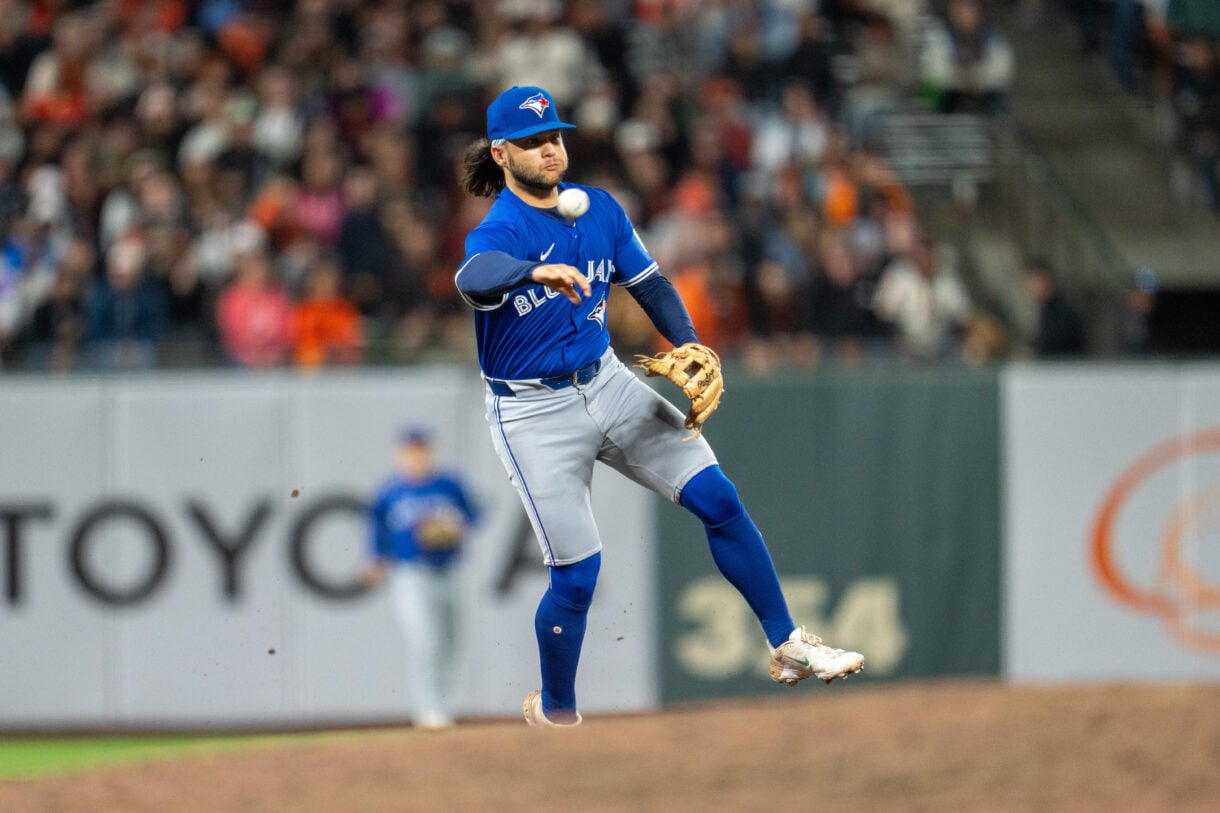
The New York Yankees would love to bring back Cody Bellinger, but in case they can’t pull that off, they have identified Plan B: Bo Bichette. For many reasons, however, bringing back the former Blue Jay involves too much risk. Meanwhile, we take a look into three members of the team poised to blow past 2026 projections.
The Yankees’ Plan B for Cody Bellinger would be a disaster
The Yankees’ offseason has turned into a test of discipline, with Scott Boras pushing Cody Bellinger’s price tag into territory the front office simply can’t justify. A seven-year deal approaching $260 million would require the Yankees to treat Bellinger like a perennial MVP candidate, despite a career marked by dramatic swings in production and clear regression risk. While Yankee Stadium might juice his numbers, paying near–$40 million annually for a player whose profile is heavily park-dependent is a gamble that could age poorly fast.
The suggested alternative—pivoting to Bo Bichette—is framed as an even bigger trap. Bichette’s looming $300 million valuation assumes long-term elite shortstop production, even as defensive metrics suggest he may not be able to stay at the position.
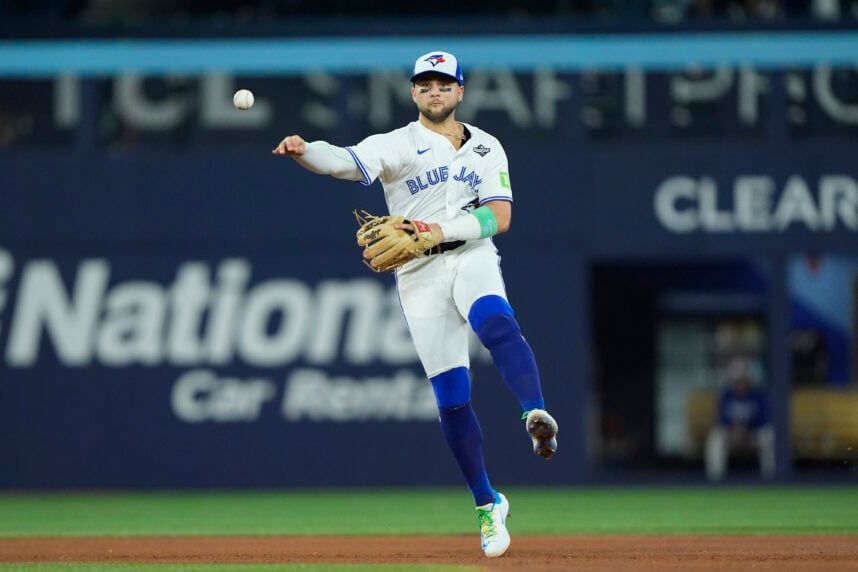
With Anthony Volpe entrenched at shortstop, adding Bichette would create roster chaos, potentially forcing the Yankees to move or trade Jazz Chisholm and undermining the athletic identity they’ve been trying to build. The core argument is simple: restraint matters. Walking away from overpriced talent may be uncomfortable, but panic spending is how championship windows quietly close.
3 Yankees Who Will Crush Their 2026 Projections
Steamer’s 2026 projections paint the Yankees as a strong but unfinished team, and this piece zeroes in on three players who could outperform those forecasts. Ryan McMahon headlines the list as a potential sneaky value bat. While his surface numbers were underwhelming last season, improvements in exit velocity, barrel rate, and pull-side air contact hint at untapped power. With fewer plate appearances against lefties in a more optimized role, McMahon could emerge as a quietly effective bottom-of-the-order contributor.
On the mound, Will Warren is projected for modest regression, but the author sees a breakout coming. Improved fastball effectiveness and a potential leap in secondary pitch command could mirror the developmental path the Yankees have successfully navigated with similar pitchers in recent years. The boldest call belongs to Ben Rice, whose projected regression is dismissed outright. Given his elite contact quality and manageable platoon concerns, the expectation is that Rice not only clears his projections but pushes into borderline MVP territory with a full season at first base.
The Yankees have a homegrown superstar about to take shape with Ben Rice
Rice’s rise has fundamentally changed how the Yankees should think about building their roster. In his first full major league season, Rice delivered middle-of-the-order production while splitting time between catcher and first base, finishing with a 133 wRC+ that placed him alongside the league’s elite hitters. With five years of team control remaining, his emergence provides massive surplus value at a time when the Yankees are navigating payroll constraints.
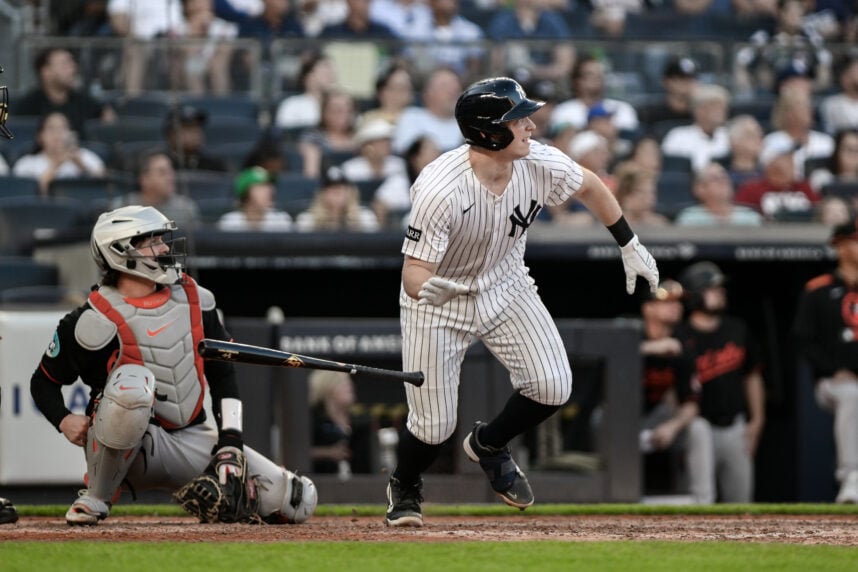
Digging deeper, the underlying data suggests Rice was even better than his already impressive stat line. He ranked near the top of the league in expected slugging, hard-hit rate, and exit velocity, yet posted a batting average far below expectation due to historically bad defensive luck against him. Combine that with elite plate discipline and a below-average strikeout rate for a power bat, and Rice profiles as a rare offensive cornerstone. Even if his defense at first base remains merely average, the bat alone gives the Yankees a cost-controlled star who could explode into MVP contention once the luck evens out.