
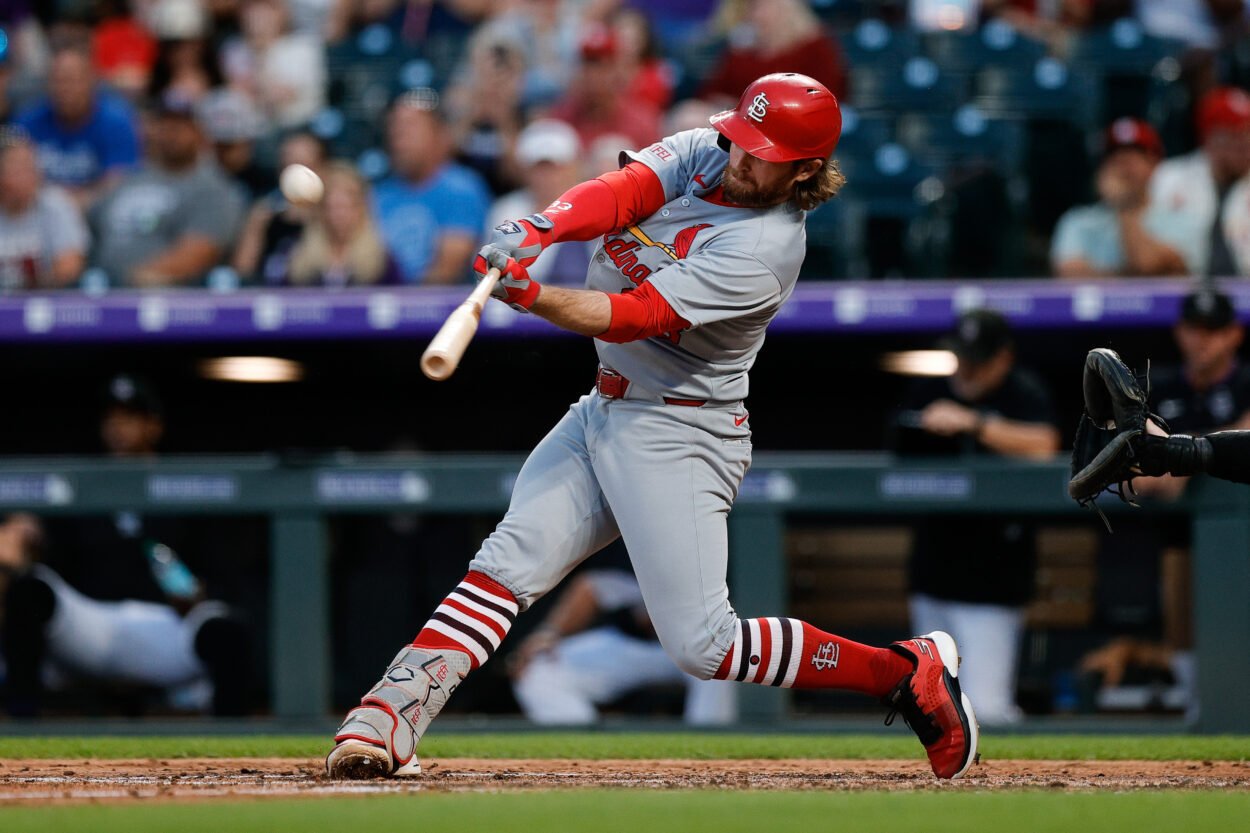
The Yankees are currently playing a dangerous game of chicken with Cody Bellinger, and for the first time all winter, it feels like they might blink. With the New York Mets entering the fray flush with cash after missing out on Kyle Tucker, the Yankees’ “wait it out” strategy is losing its leverage.
The Yankees are stuck in a massive Cody Bellinger conundrum, balancing a desire to reunite with the lefty slugger against a refusal to meet his seven-year contract demand.
If Bellinger chases a $150+ million payday across town or elsewhere, General Manager Brian Cashman needs a contingency plan that goes beyond just hoping Jasson Domínguez or top OF prospect Spencer Jones are ready to carry the load. That plan should center on St. Louis Cardinals utilityman Brendan Donovan.
Why Donovan Fits the Bronx Blueprint
While losing Bellinger’s Gold Glove defense in the outfield would be a sting, Donovan offers a different kind of value that fits the Yankees’ current roster construction beautifully. At 29 years old and under team control through the 2027 season, Donovan is significantly cheaper than Bellinger and brings elite leadership qualities that the Yankees often crave.
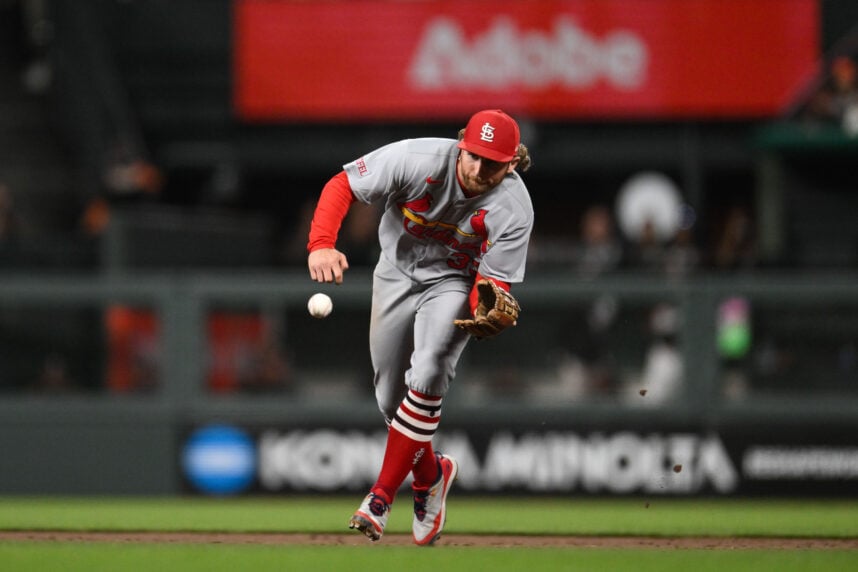
Donovan is coming off a stellar 2025 campaign where he slashed .287/.353/.422 over 118 games, posting a 119 wRC+ that made him 19% better than the league-average hitter. He drove in 50 runs and hit 10 homers, numbers that, on the surface, don’t scream “slugger.”
However, a deeper dive into his spray charts reveals that Yankee Stadium was built for a hitter like him. According to park factors, Donovan would have hit 15 home runs in the Bronx last season compared to the 10 he actually hit. If the Yankees’ hitting coaches can get him to pull the ball slightly more to the short right-field porch, a 20-homer season paired with a .290 average is entirely within reach.
A Seamless Fit in Left Field
Defensively, Donovan isn’t Bellinger, but he is far from a liability. He has logged over 1,245 innings in left field throughout his career, grading out as roughly league-average. For a team that prioritizes offense from the left field spot, average defense is an acceptable trade-off for a bat that creates runs and gets on base at a .350 clip.
The financial disparity is the clincher. Bellinger is seeking a mega-deal that will likely hamstring payroll flexibility for half a decade. Donovan, meanwhile, is making a fraction of that cost, allowing the Yankees to allocate resources to other needs—like the bullpen or starting rotation—while still securing a borderline All-Star offensive contributor. If the Mets blow the market open for Bellinger, pivoting to Donovan isn’t just a consolation prize; it might be the smarter baseball move.