
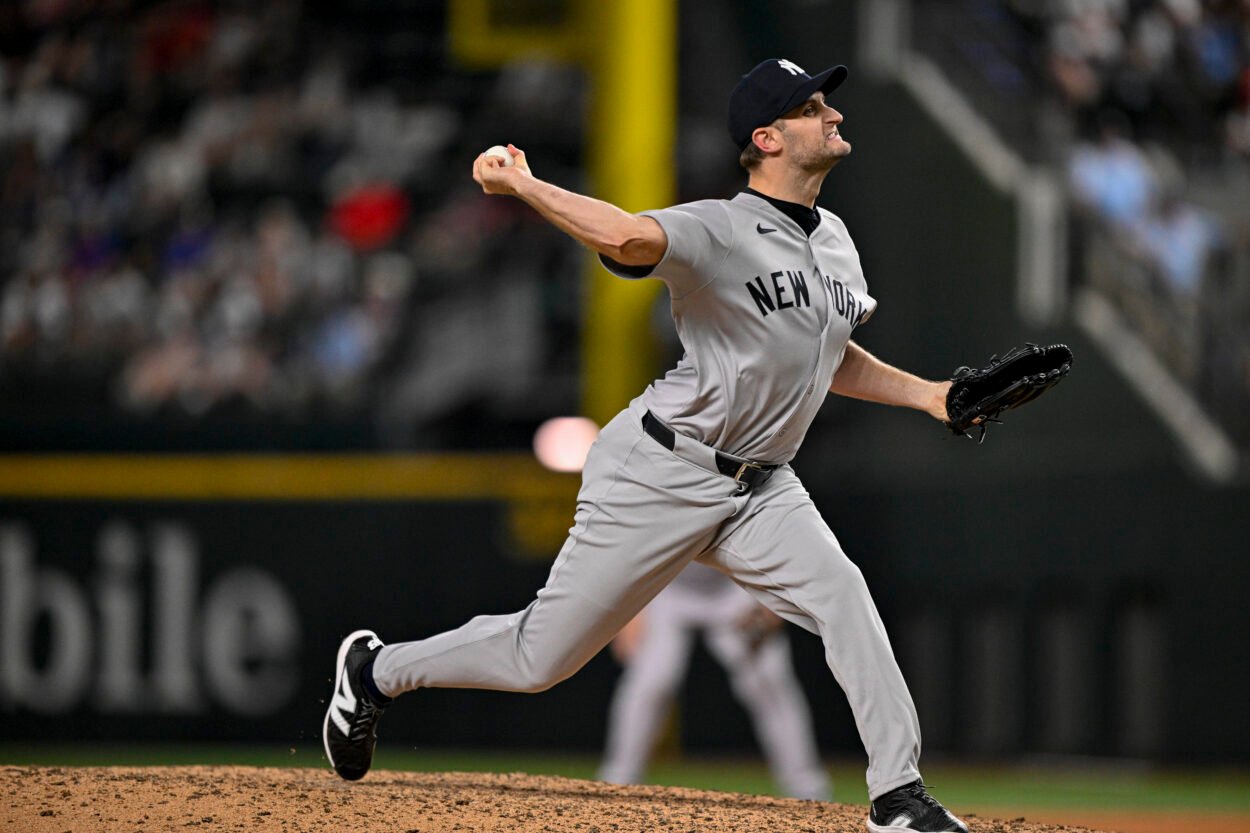
When the Yankees acquired Jake Bird from the Colorado Rockies at the 2025 trade deadline, the move was met with a collective shrug from a fanbase hoping for a splashier name. The initial returns did little to change that perception. Bird looked fatigued from his time at altitude, his command wavered, and he was quickly shuffled off to Triple-A Scranton/Wilkes-Barre to overhaul his approach away from the bright lights of the Bronx.
However, as the Yankees look toward the 2026 season, the organization believes a rested and retooled Bird could be a significant, under-the-radar weapon in their bullpen.
A Diamond in the Rough Delayed by Fatigue
Bird’s arrival in New York was undeniably rocky. The transition from Coors Field to Yankee Stadium is notoriously difficult, and the Yankees’ internal assessment suggested that Bird was simply out of gas by August. His sinker, which needs precise location at the bottom of the zone to be effective, was catching too much of the plate, leading to elevated walk rates and hard contact. The decision to demote him was less of a punishment and more of a necessary reset, allowing the team’s pitching lab to get their hands on him without the pressure of a pennant race.
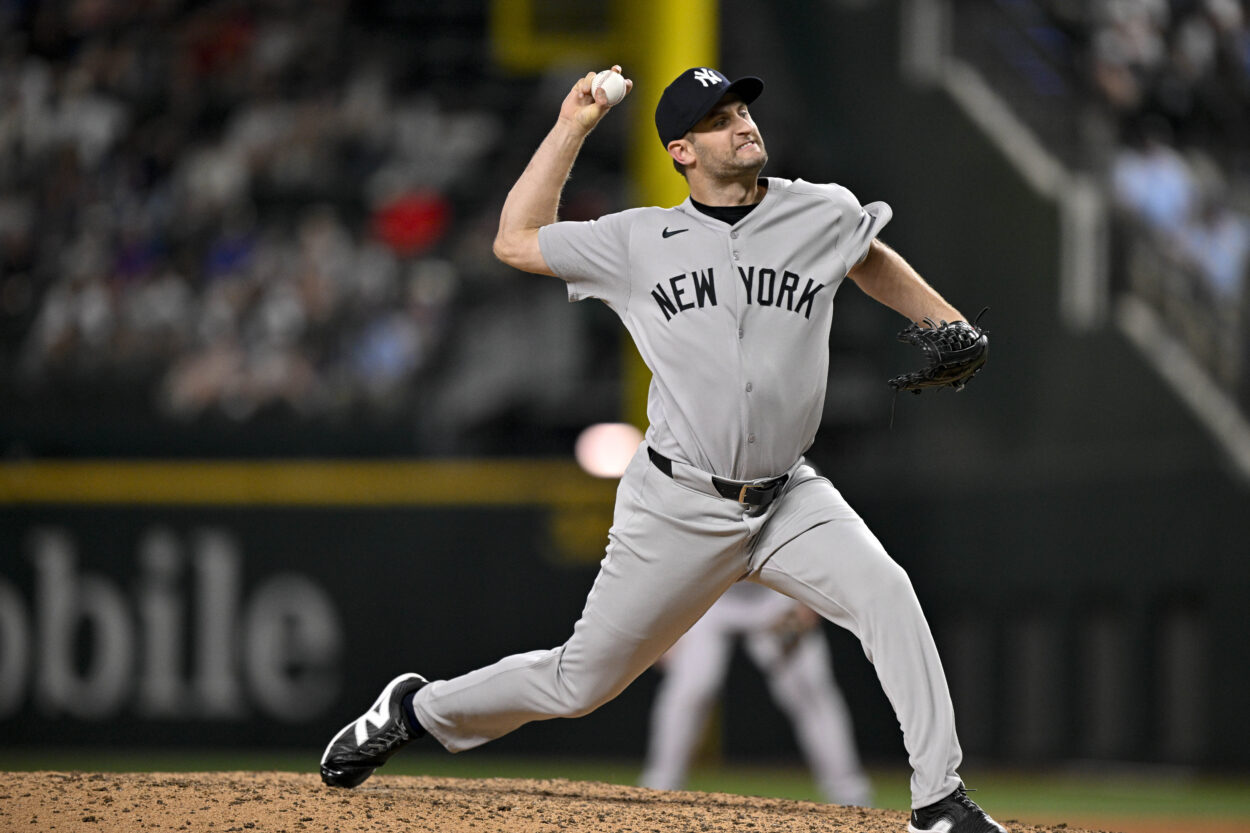
The Yankees’ interest in Bird wasn’t based on his surface-level 2025 stats, but rather on the raw characteristics of his arsenal. Even while struggling, his sinker possessed solid velocity and arm-side run, the kind of pitch that generates weak groundballs when executed correctly.
The algorithm hides the best New York Yankees news; make sure you pin Empire Sports Media on Google News so you don’t miss a beat.
The Analytics Path to Redemption
Looking at the underlying metrics that excited general manager Brian Cashman, the blueprint for Bird’s success becomes clear. His game is predicated on a heavy sinker that induces ground balls at a high clip. When he is right, he keeps the ball on the infield, erasing baserunners with double plays.
The issue in 2025, as evidenced by his advanced data, was poor pitch usage and execution. Bird often relied too heavily on a sweeper that caught too much of the plate, frequently hanging and getting mashed, hosting. a .257 batting average and a .457 slugging rate.
The Yankees’ plan for 2026 involves simplifying Bird’s attack. The goal is to prioritize the sinker low in the zone to get ahead in counts and then utilizing his slider more aggressively as a chase pitch off the plate. By reducing the usage of his less effective offerings and focusing on his two best weapons, the Yankees believe they can turn his raw “stuff” into consistent outs.
High Value for the Long Haul
Perhaps the most enticing aspect of Jake Bird is his contract status. He remains under team control until 2029, making him a potentially incredibly valuable asset if the Yankees can unlock his potential.
In an era where elite relief pitching costs a premium in free agency, developing a controllable, high-leverage arm internally is gold. If a full offseason of rest and a reworked pitch mix can restore his sinker’s bite, Bird could evolve from a trade deadline afterthought into a key bridge option for Aaron Boone in 2026.