
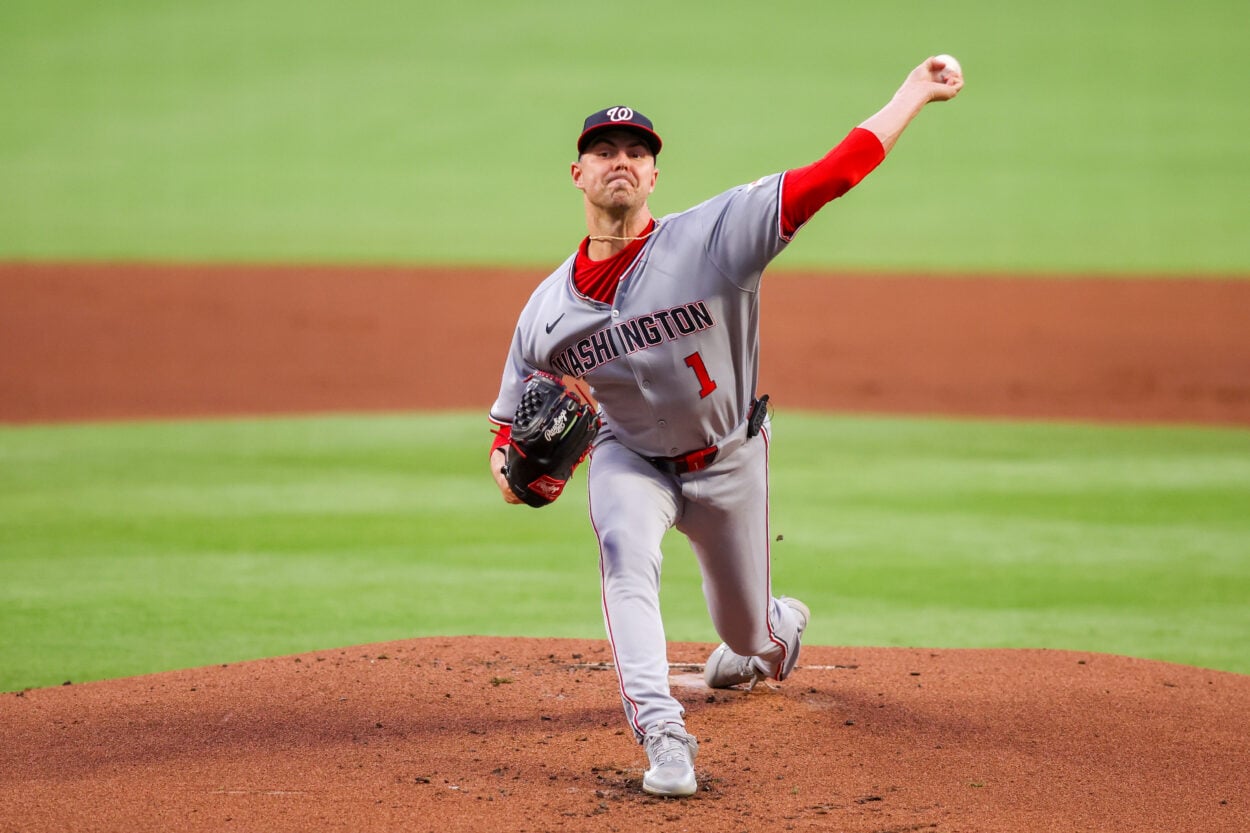
The sticker shock hits you before the radar gun does. Every winter reminds you that pitching sets the market, but the 2025-26 offseason has turned that reminder into a full-blown warning label. For the New York Yankees, the need is obvious. The path to filling it is anything but.
Everyone around the game knows the Yankees are hunting for at least one impact starter, maybe two. They have been circling this problem for months, patching it with short-term fixes and internal hope. If landing frontline pitching were easy, the rotation would already look very different.
Why the Free-Agent Path Feels So Narrow
The free-agent market offers star power, but it comes with real discomfort. Tatsuya Imai is the kind of arm teams dream on, and the kind that pushes payroll anxiety into overdrive. Others come with their own caveats. Framber Valdez and Zac Gallen have frontline résumés, yet recent workload questions and performance volatility give front offices pause.
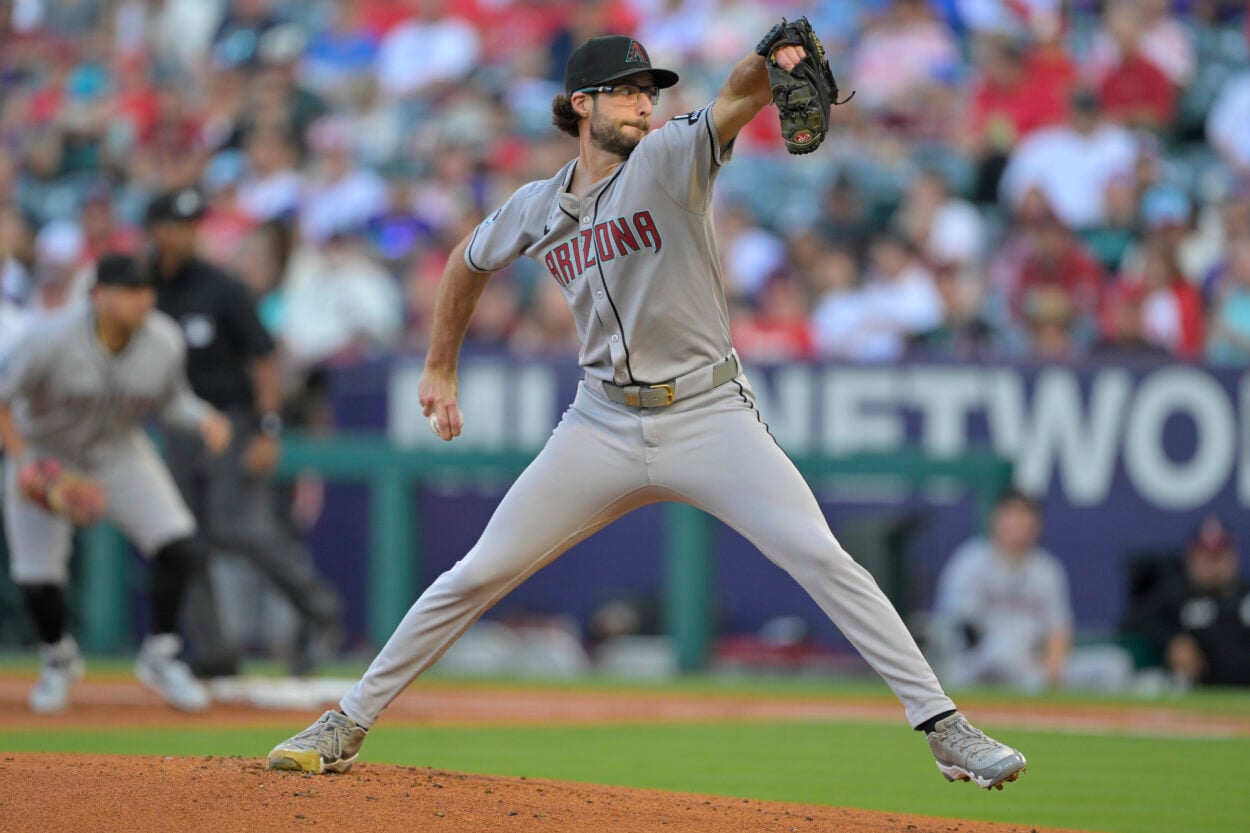
The Yankees can afford expensive. What they cannot afford is expensive and wrong. That is how organizations end up stuck, especially one already balancing long-term payroll pressure with a win-now mandate. It explains why the Yankees have been deliberate, sometimes frustratingly so, in free agency.
Trading for Pitching Is Not Cheaper, Just Different
Many fans have shifted their focus toward the trade market, hoping creativity can replace dollars. The logic is understandable. The reality is harsher. Pitching costs something either way, and in trades, the currency is human capital.
Teams do not give away quality starters. They move them only when the return reshapes their future. Yankees insider Chris Kirschner laid it out plainly. If the Bombers want arms like Freddy Peralta, MacKenzie Gore, or Sandy Alcantara, the price will sting.
“Freddy Peralta, MacKenzie Gore, and Sandy Alcantara are possible targets on the trade market, but each pitcher will likely cost the Yankees big time in prospect capital,” Fireside Yankees posted on X, citing Kirschner.
That is not posturing. It is reality.
What the Numbers Say About the Targets
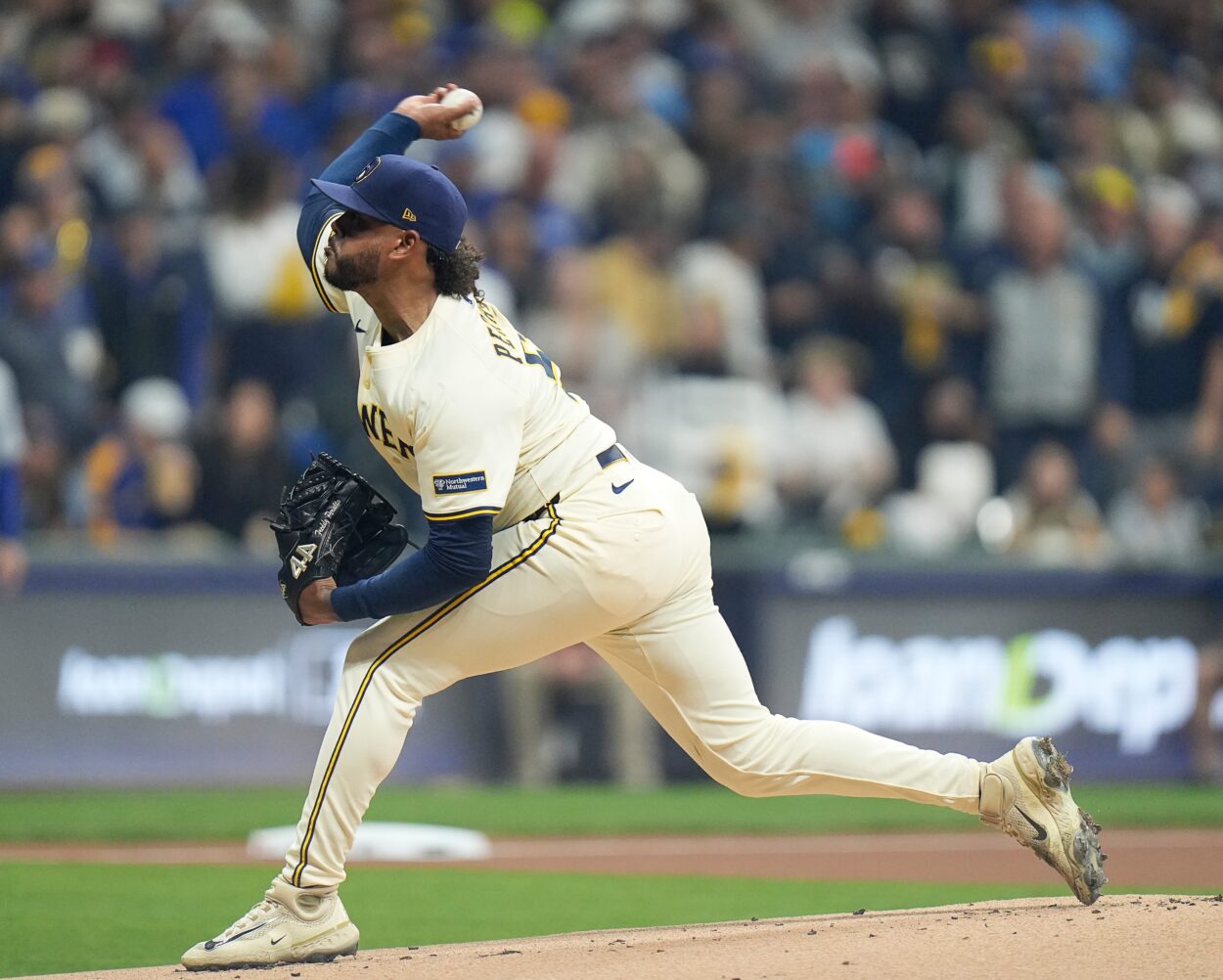
Peralta stands out immediately. A 2.70 ERA over 176.2 innings with the Milwaukee Brewers is not just impressive, it is stabilizing. He misses bats, limits damage, and pitches deep enough into games to matter in October. That profile rarely moves without a franchise-altering return.
Gore’s 4.17 ERA with the Washington Nationals looks less shiny, but context matters. He has topped 180 strikeouts in each of the last two seasons, showing both durability and swing-and-miss ability. On a better defensive team with playoff stakes, his performance could tick up.
Alcantara is the wild card. The 5.36 ERA jumps off the page until you split the season in half. In the second half, his ERA dropped to 3.33 as he found his footing post-Tommy John surgery. Betting on him means believing the recovery arc continues upward, not sideways.
The Prospect Price the Yankees Must Face
Any one of those pitchers would deepen and stabilize the Yankees rotation immediately. That is why their teams will not settle for spare parts. It has already been made clear what the conversation starts with. Spencer Jones. Jasson Dominguez. Maybe more.
The Yankees have shown reluctance to cross that line. Holding elite prospects is sensible, especially for an organization that values controllable talent. But the longer the Yankees hesitate, the clearer the choice becomes. Protect the future or push harder for the present.
There is no safe middle ground here. Pitching is baseball’s most expensive commodity because it decides seasons. For the Yankees, eventually, the bill comes due. Whether they pay it in dollars or prospects will shape not just the rotation, but the direction of the franchise itself.