
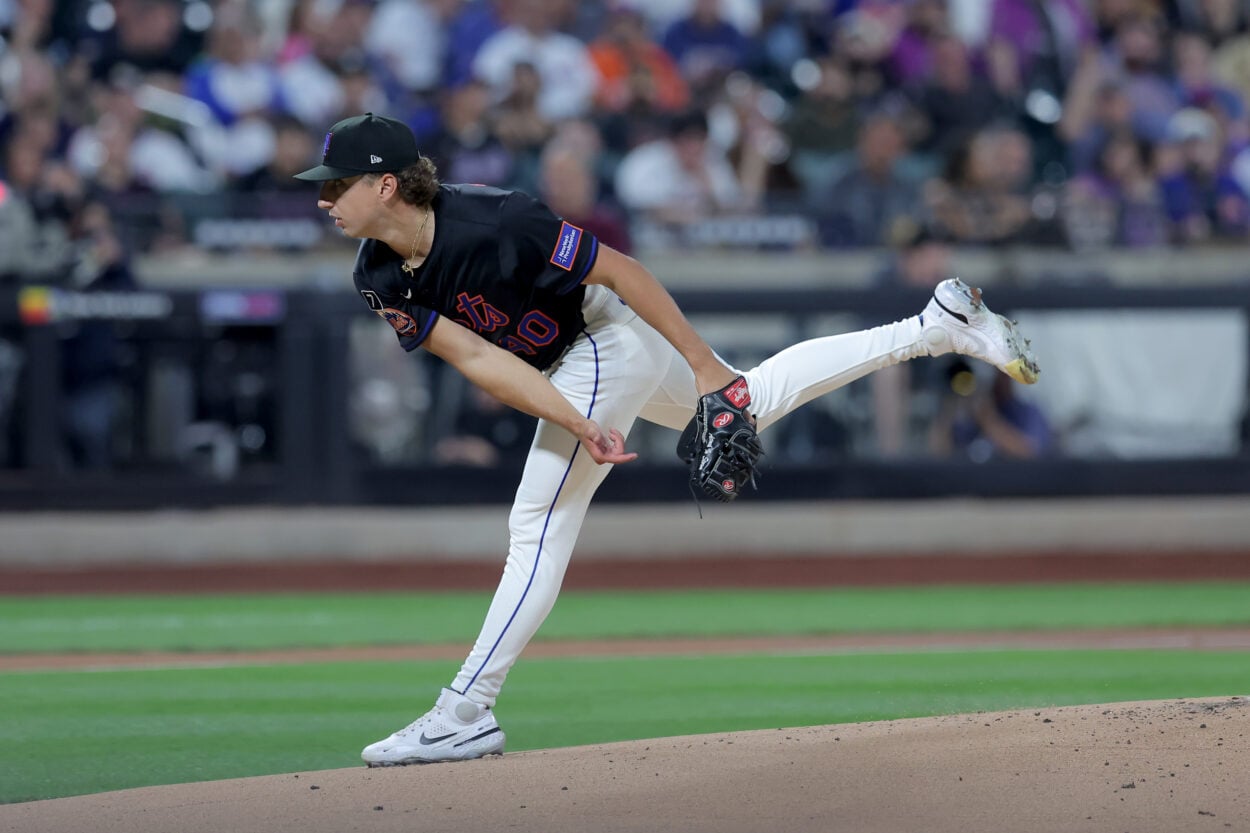
The first real clue that the New York Mets were not done reshaping their roster came quietly, not in a headline signing or a splashy rumor, but in the names that kept popping up in trade conversations.
This is what an organization sounds like when it is searching for leverage.
As the Mets look ahead to the 2026 season and beyond, the to-do list remains uncomfortably long. Starting pitching still needs another anchor. The bullpen remains volatile. Center field and first base are unresolved enough to make any projection feel optimistic at best. Even with Steve Cohen’s resources, the Mets know better than to assume money alone can solve everything.
Why the Mets Have to Get Creative
The free agent market can fill holes, but it cannot fix a roster this incomplete on its own. The Mets understand that building the next contender requires a sharper eye on waivers, bargain signings, reclamation arms, and especially trades. That is where their system quietly gives them an edge.
They have young pitching. Not the kind you keep locked away forever, but the kind that makes other front offices listen.
Jonah Tong and Brandon Sproat sit right in that space. Both showed enough in brief major league cameos in 2025 to prove they belong in the conversation. Neither showed enough to be untouchable, as Nolan McLean did. That matters.
The Value of Tong and Sproat
Youth, upside, and six years of control will always draw interest, and Tong and Sproat check every box. Teams around the league are not blind to it. The Mets are aware of it too.
Sproat made four starts in the majors last season and finished with a 4.79 ERA. That number alone does not tell the story. His 2.80 FIP paints a pitcher who was far better than his surface results, the kind of arm analytics departments believe they can unlock.
“I really don’t look at it, if I’m being honest,” Sproat said this week when asked about trade rumors.
That sounds rehearsed until you hear how players talk when they are actually distracted. This was not that.
Tong’s case is more extreme. In the minors, he was overpowering, posting a 1.43 ERA with 179 strikeouts in just 113.2 innings. That kind of dominance does not get ignored. His time in the majors was rougher, highlighted by a 7.71 ERA, but his 4.31 FIP suggests a pitcher closer to learning than failing.
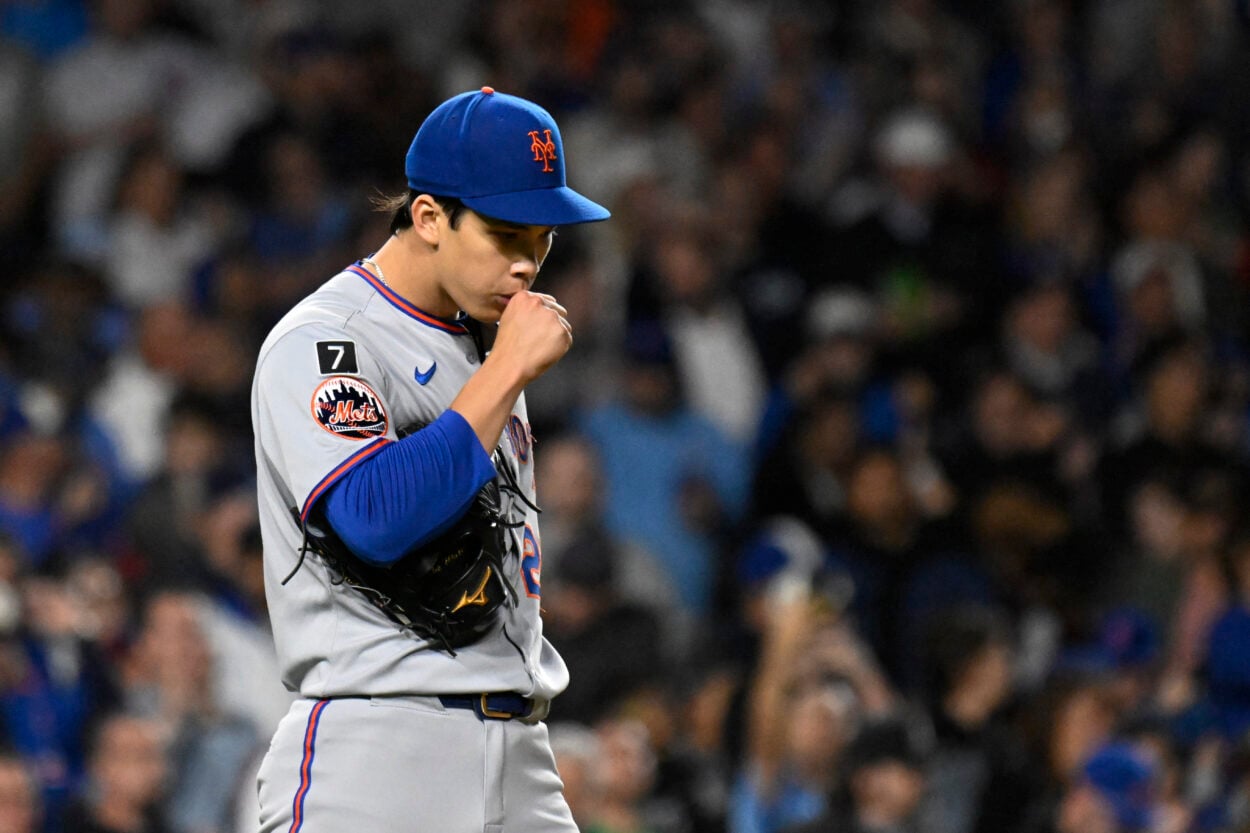
Tong’s Focus Tells You Everything
“I love being a Met,” Tong said at Citi Field, per SNY. “It’s truly one of the coolest things I’ve ever done in my entire life.”
That is not empty sentiment. It is paired with realism.
Tong understands the business. He also understands what he needs to do to stay in it. His approach is process-driven, the kind coaches love and front offices trust when deciding who to keep and who to move.
“Same focus: one foot in front of the other,” Tong said. “I’m not too worried about results, and just more worried about the process.”
For the Mets, that mindset matters whether Tong stays or goes. Development does not stop because rumors exist. Value does not disappear because a pitcher is honest about his learning curve.
What This Means for the Mets
The Mets are not shopping Tong and Sproat recklessly. They are listening. There is a difference.
They know they cannot afford to wait for every young arm to fully bloom while the rest of the roster drifts. At the same time, they cannot afford to trade talent for short-term fixes that do not move the needle. This is the balance point of a serious organization.
Tong and Sproat represent flexibility. They are potential contributors. They are also potential currency.
Whether either pitcher opens 2026 in a Mets uniform or elsewhere, their presence in these conversations signals something important. The Mets are no longer just spending. They are building, weighing, and choosing their moments.
That, more than any rumor, is the real story.