
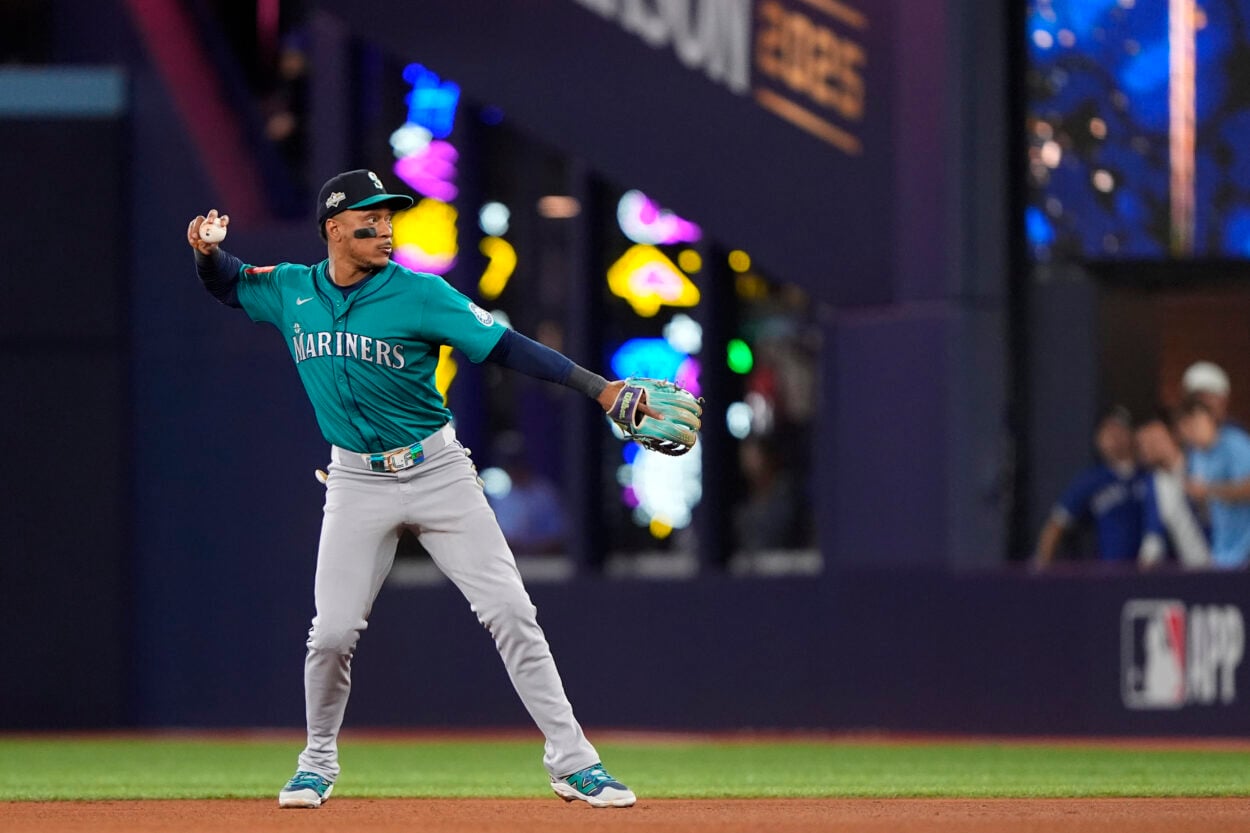
The departure of Pete Alonso to Baltimore was a real gut punch that every Mets fan knew was possible but still felt like a nightmare when the news broke. But David Stearns didn’t mourn, he pivoted by handing Jorge Polanco a 2-year, $40 million contract. The Mets aren’t just bringing in a veteran bat, Polanco is coming off a bounce-back season in Seattle that silenced the medical question marks. He’s coming into 2026, being asked to protect Juan Soto and fill the power void left at first base. While it is a gamble on his versatility and contact over raw slugging, the numbers suggest it might be the smartest bet Stearns has made this offseason.
2025 Stats: The Seattle Renaissance
To understand why the Mets felt comfortable guaranteeing $40 million to a 32-year-old infielder, you have to look at the resurrection Polanco pulled off last season. After an injury-riddled 2024, Polanco was able to stay on the field for 138 games in 2025 and reminded the league why he’s a professional hitter.
He slashed .265/.326/.495 with 26 home runs and 78 RBI, posting an .821 OPS, his best mark since his 33-homer season in 2021. He did this while also playing half his games at T-Mobile Park, a notorious graveyard for hitters. His ability to pull the ball with authority from the left side (21 of his homers came as a lefty) suggests that Citi Field is going to be very kind to him.

2026 Projections: Regression or Reliable Floor?
Steamer’s projections for 2026 have Polanco taking a slight step back, expecting a slash line of .249/.327/.438 with 20 home runs. While the projected OPS dip to roughly .765 is notable, it largely factors in age-related decline in bat speed. If he’s able to hit 23 homers with a .330 OBP, that is more than serviceable, and it’d be a winning piece for this upcoming season.
The most fascinating part of this signing is the defensive alignment. With Francisco Lindor and the newly acquired Bo Bichette locking down the left side of the infield, and Marcus Semien set to lock down second base, Polanco is projected to log the majority of his innings at first base and DH.
This is a massive shift for a career middle infielder, but it might be the key to unlocking his offense. By removing the physical toll of playing second base every day, the Mets are hoping to preserve Polanco’s legs, which has historically been his kryptonite. But if he can be average defensively at first, just scooping throws and making the routine plays, then the bat will play up significantly.
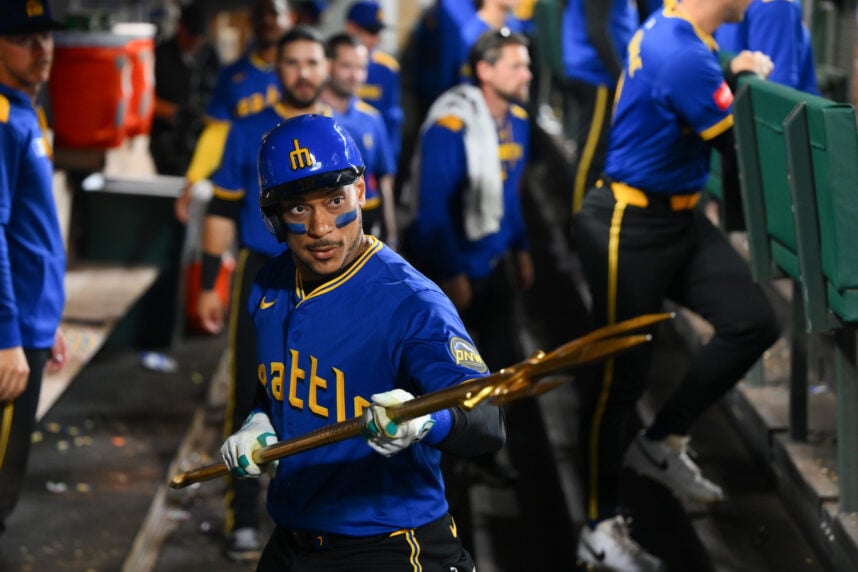
Polanco’s primary job is “don’t let them pitch around Juan Soto.” With Soto likely hitting second or third, Polanco will slot into the cleanup spot or the five-hole. Last season, pitchers were able to navigate the Mariners’ lineup by pitching carefully to Polanco, but in this Mets lineup, that’s a mistake waiting to happen. His switch-hitting profile is the perfect tactical weapon for Carlos Mendoza, which will prevent opposing managers from neutralizing the middle of the order with a lefty specialist.
Jorge Polanco is not Pete Alonso. But he is a professional hitter, who will bring a different flavor of offensive production, with more contact, more versatility, and a switch-hitting presence that balances this lineup. If the Mets can get the 2025 version of Polanco, who can post 25+ homers and an OPS over .800, then this offense will be more dangerous and less one-dimensional than the “homer-or-bust” lineups we witnessed last season. Stearns is buying a high floor with substantial upside, and now it’s up to Polanco to prove that his Seattle resurgence was the new normal, and a standard he can maintain in Queens.