
The calendar says mid-January, but the New York Mets are already operating like a team short on time.
Spring Training is creeping closer, and the roster still feels unfinished in a few obvious places. Outfield help remains the loudest need, but the quiet tension sits on the pitching side. Another bullpen arm would help. A frontline starter would change the tone entirely.
That context makes one recent report especially interesting.
Why MacKenzie Gore Even Came Up
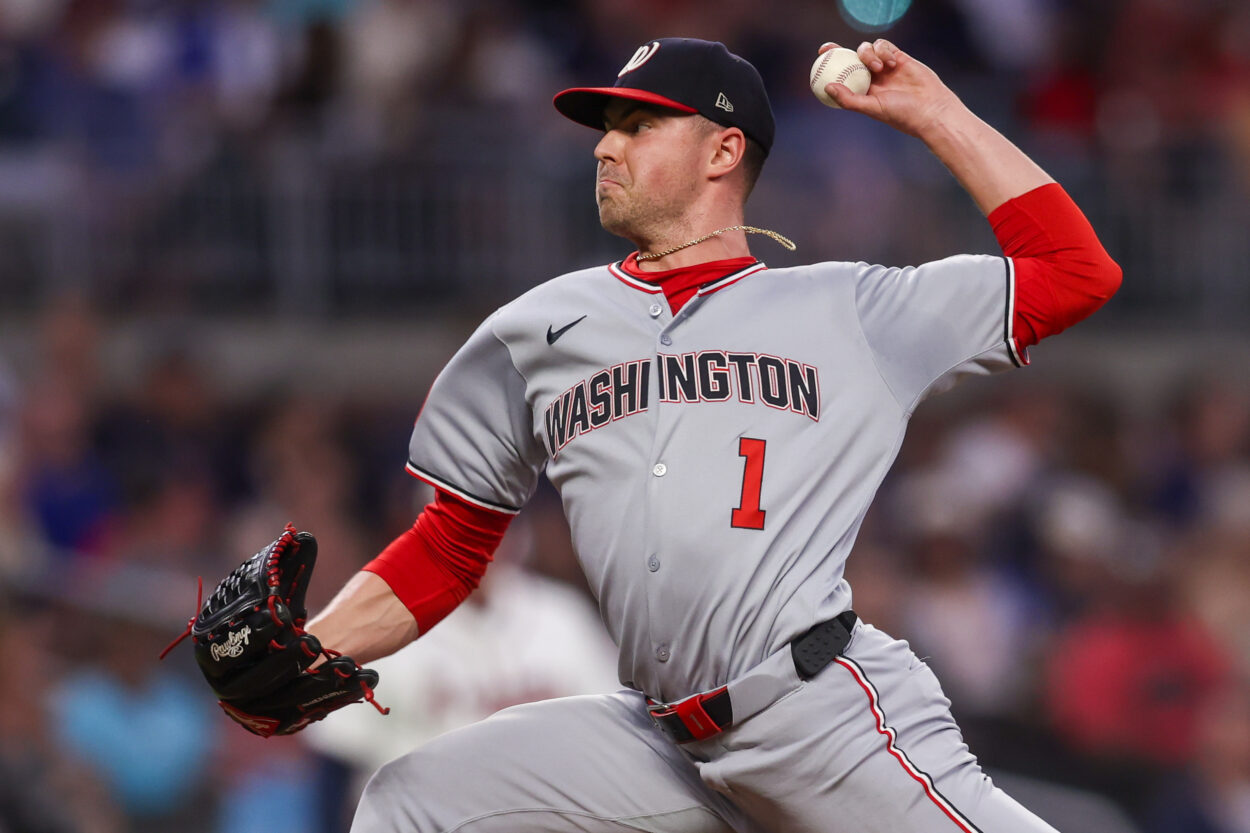
According to Mets on SI’s Pat Ragazzo, the Mets checked in with the Washington Nationals about MacKenzie Gore over the weekend. Nothing advanced, and the reason was simple. The price was described as astronomically high.
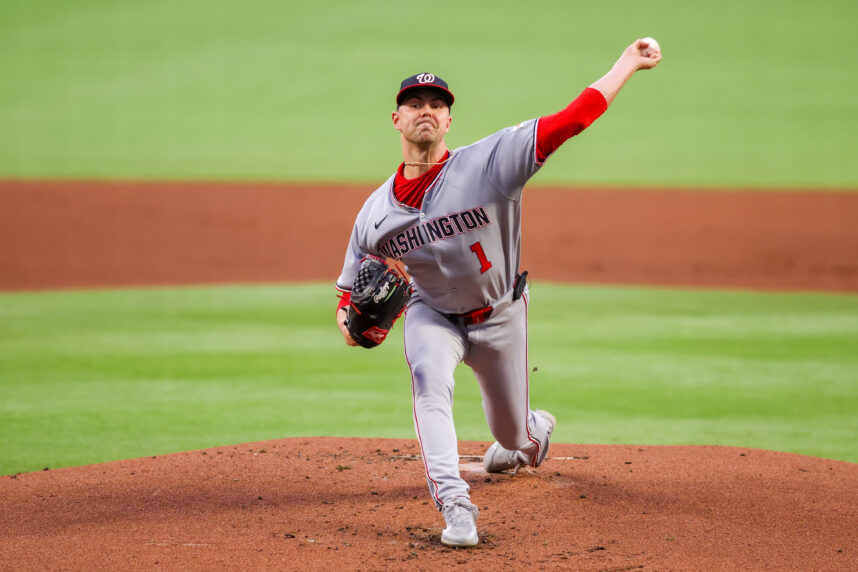
That alone tells you how Washington views him. Teams do not casually set extreme asking prices unless they believe the player still has real growth ahead.
Gore’s 2025 surface numbers were solid but not eye-popping. A 4.17 ERA with a 1.35 WHIP across a heavy workload. He struck out 185 hitters, which matters more than the ERA at first glance. Dig a layer deeper and the picture sharpens.
His 3.74 FIP sat notably lower than his ERA, suggesting the outcomes did not always match the quality of his work. Add in his age, former top-prospect pedigree, and the reality that Washington’s player development track record has not exactly inspired confidence, and it is fair to wonder if Gore has been pitching below his true ceiling.
That is the kind of profile the Mets should always be sniffing around.
The Upside the Mets Actually Need
The Mets rotation has quantity right now. What it lacks is certainty beyond the top.
Kodai Senga is still the anchor. David Peterson is reliable in his role. Sean Manaea brings experience. Clay Holmes is solid, if unspectacular. The prospect wave is real too, with Nolan McLean, Brandon Sproat, and Jonah Tong forming the next tier of arms.
What is missing is a pitcher who is already good at the major-league level and still young enough to take a real leap.
Gore fits that description cleanly. He does not need to become an ace to matter. If he improves even modestly, tighter command, more efficient sequencing, cleaner fastball usage, he becomes a legitimate difference-maker. And even if he never takes that step, he profiles as a dependable mid-rotation arm right now.
Those players do not come cheap for a reason.
The Cost Problem Is Real
This is where the Mets have to be disciplined.
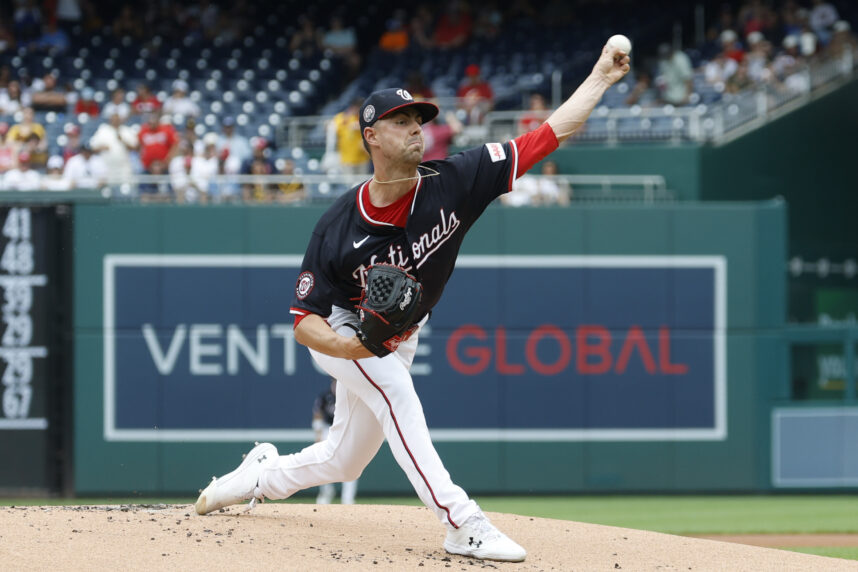
Gore has two years of team control remaining, 2026 and 2027. That alone inflates his value. Add in his age and pedigree, and Washington is justified in asking for impact talent in return.
The line should be clear, though. Any deal that includes Nolan McLean or Carson Benge should be an automatic no. Those are foundational pieces for what the Mets are trying to build, especially as they look to balance win-now urgency with long-term sustainability.
If the Nationals are willing to get creative around other prospect tiers or major-league depth, the conversation becomes more interesting. But if the ask stays rigid, walking away is not a failure. It is good roster management.
Why the Conversation Matters Anyway
Even if nothing comes of this, the fact that the Mets made the call matters.
It signals they are not content to simply fill innings. They are hunting upside. They understand that a rotation built only on floor rarely survives October. Someone has to exceed expectations.
Gore represents that type of bet. Young. Talented. Not fully unlocked. Exactly the kind of pitcher a sharper development environment could elevate.
The Mets may not land him. The price may never make sense. But this is the right profile, the right timing, and the right instinct.
Now it comes down to whether Washington blinks or whether the Mets decide their next big pitching move will come from somewhere else.