
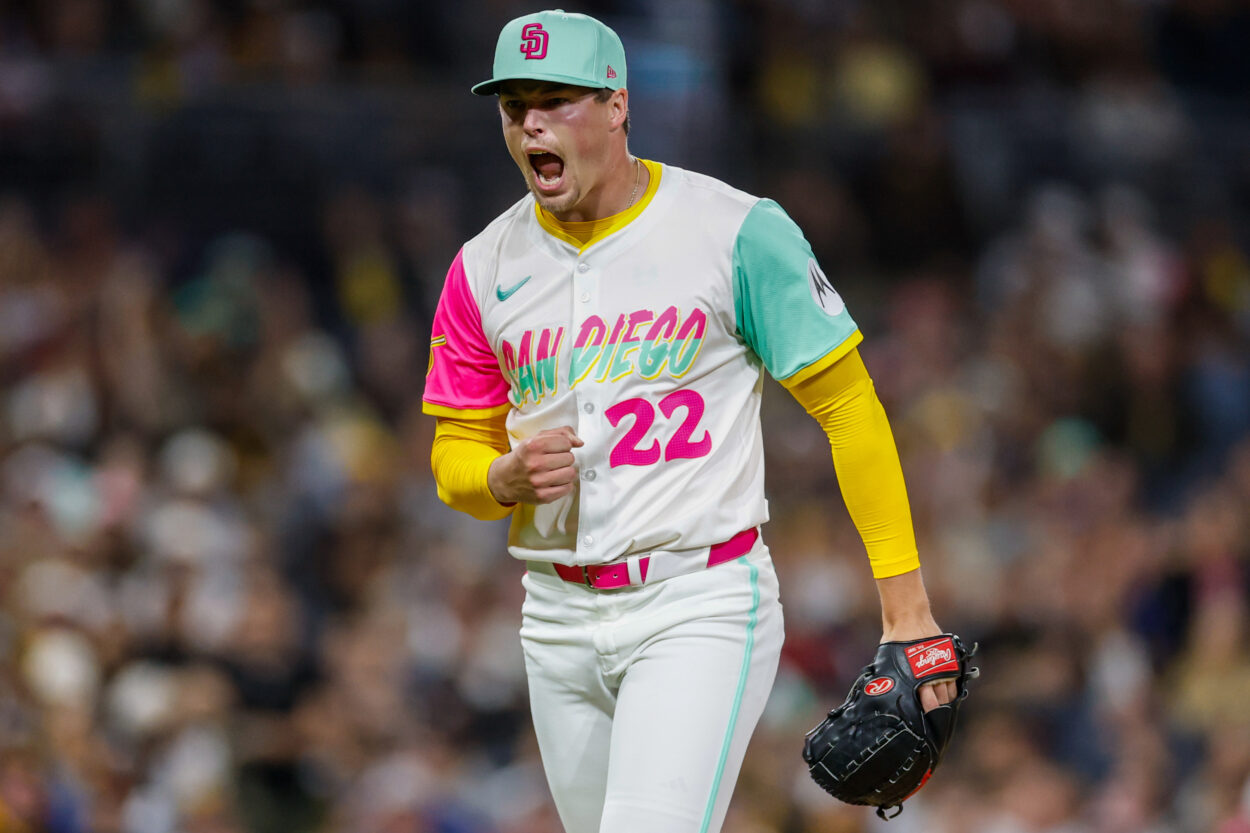
The price of elite relief pitching keeps climbing, and the New York Mets just ran face-first into that reality.
A few months ago, the Athletics sent shockwaves through the market by trading Mason Miller and JP Sears to the San Diego Padres. The return was loud. Three arms in Henry Baez, Braden Nett, and Eduarniel Núñez, plus the real headliner, shortstop Leo De Vries. That deal set a new baseline for what it costs to land one of the most electric closers in the sport.
So when the Mets circled back on Miller in recent weeks, the outcome was almost predictable.
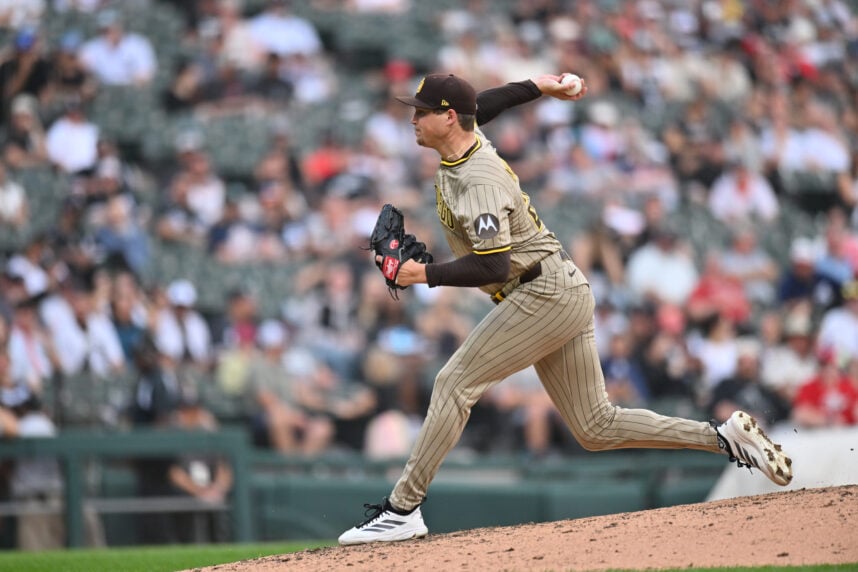
Why the Mets Looked at Mason Miller
The Mets have spent the offseason reshaping the bullpen, not patching it. Devin Williams brings championship-level closing experience. Luke Weaver adds flexibility and stability. On paper, it looks cleaner than it did a year ago.
But context matters.
Edwin Diaz is gone. Tyler Rogers is gone. Gregory Soto, Ryan Helsley, and other familiar names are gone too. The Mets addressed some of the damage, but they did not replace all of the certainty. Late innings still feel fragile, especially for a team that expects to play tight games deep into October.
That is why Miller made sense as a target, even knowing the cost would hurt.
The Appeal of Miller’s Arm
There are hard throwers, and then there is Mason Miller. Triple-digit fastballs are not a novelty for him. They are a habit. He has touched 104 mph without effort, pairing velocity with a wipeout breaking ball that misses bats in any count.
The results back it up. Miller owns a 2.81 career ERA with 246 strikeouts in 160 innings. In 2025 alone, split between the Athletics and Padres, he posted a 2.63 ERA and struck out 104 hitters. Those are not just closer stats. Those are game-altering numbers.
For the Mets, that kind of swing-and-miss presence at the back of the bullpen would have changed how games are managed. It shortens nights. It protects starters. It creates margin.
Why Talks Went Nowhere
According to MLB insider Jon Heyman, discussions between the Mets and Padres never gained traction. That should not surprise anyone who studied the Miller trade from Oakland’s side.
Miller comes with four seasons of team control. He is young, dominant, and healthy. San Diego paid a premium to get him, and they have no incentive to sell low or even sell fairly. Any team calling was going to be asked for a return that stings.
For the Mets, matching or exceeding the De Vries-centered package was never going to be easy. The organization has been aggressive, but it has also been deliberate about protecting the upper tiers of its system. There is a line, even for teams willing to spend.
This was that line.
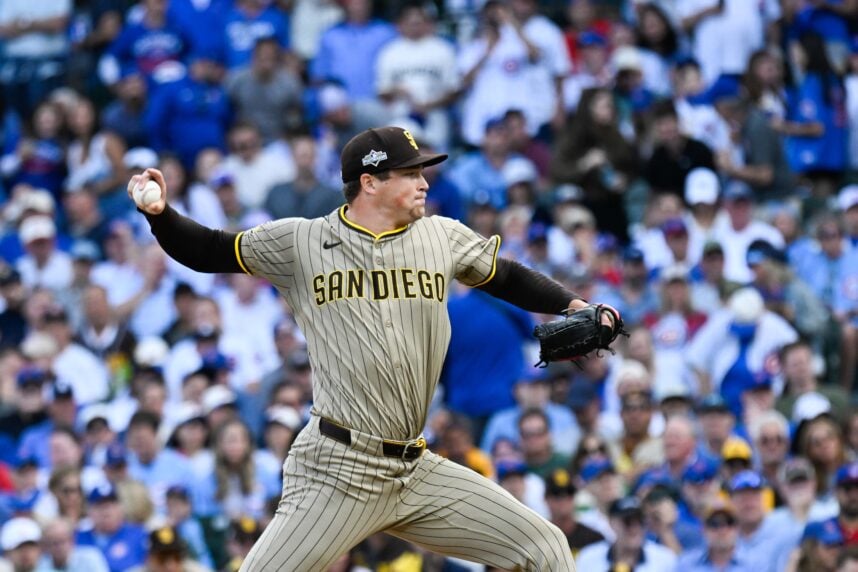
Where the Mets Go From Here
Missing on Miller does not end the Mets’ bullpen plans. It redirects them.
Relief help is still needed, but it may come through smaller trades, creative signings, or internal development rather than a blockbuster. At the same time, the Mets must keep juggling bigger questions. The outfield picture remains unsettled. Another top-end starter would change the rotation’s ceiling.
This is what modern roster building looks like. Constant pressure. Constant evaluation. Constant trade-offs.
It is not an easy offseason to be a Mets fan, especially when elite talent is discussed but never lands. Still, there is a sense that capable hands are guiding the process, and that matters.
Sometimes the move you do not make tells you just as much as the one you do.