
The Mets are facing a daunting reality in the 2026 season: the Los Angeles Dodgers have assembled a super-team, snatching Kyle Tucker off the market with a massive contract that left Queens empty-handed. It’s a bitter pill to swallow, as Tucker is arguably one of the best offensive players in baseball, and his presence would have anchored the Mets’ lineup for the next few years. However, under David Stearns, the Mets don’t dwell on losses; they pivot.
The front office immediately responded by signing Bo Bichette, a move that reinforces the infield and provides an elite contact bat. As we’ve seen by breaking down exactly how the Mets brand new infield could be elite, the Bichette acquisition is a massive upgrade, but the roster construction is far from finished.
The Mets still possess a championship-caliber core, but they are missing the final pieces to push them over the hump. Specifically, they need another outfielder to replace the void Tucker was meant to fill and a frontline starting pitcher to stabilize the rotation. This urgency has turned their attention squarely toward two major targets: Cody Bellinger and an ace to be named later.
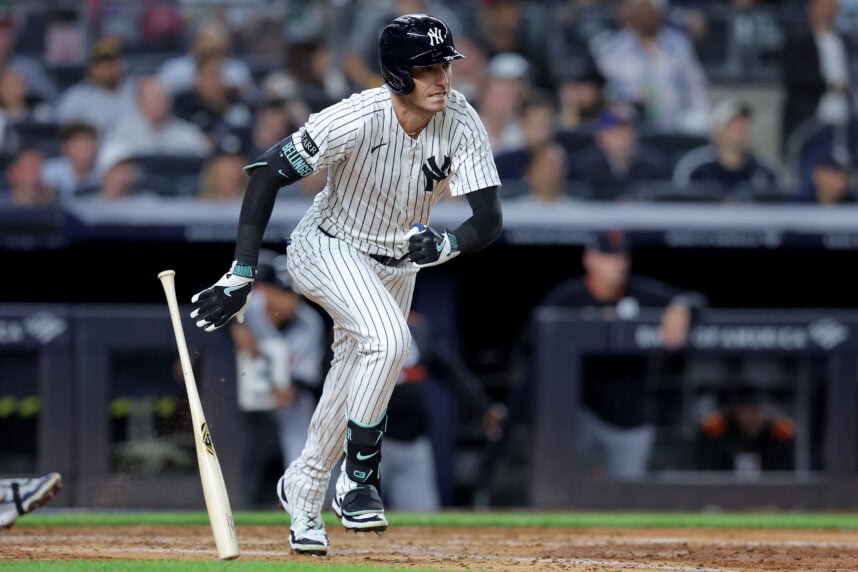
Why Cody Bellinger Fits the “Cohen Blueprint”
If there is a silver lining to the Tucker whiff, it is that the Mets now have significant financial flexibility to address multiple needs. Going out and signing Cody Bellinger makes plenty of sense for a team that values versatility. Bellinger would immediately solve a huge need in the outfield while offering the ability to spell the first base platoon of Jorge Polanco and Mark Vientos.
Crucially, the Bo Bichette signing won’t stop Mets from trying to bring in Cody Bellinger, largely because Bellinger’s contract desires might align with the Mets’ preferred structure.
If Bellinger is open to a high average annual value (AAV) on a shorter-term deal—similar to the offers the Mets have floated recently—he becomes a perfect fit. He brings a contact-oriented approach that balances the lineup while still having the capacity to hit 20+ home runs per season. While some scouts worry his power might regress without the short right-field porch of Yankee Stadium, his defensive value and base-running make him a net positive regardless of the venue.
The Pitching Dilemma: Valdez’s Price Tag or Peralta’s Prospect Cost?
With the offense potentially stabilized by Bichette and a pursuit of Bellinger, the final item on the docket is a starting pitcher. The Mets have two distinct paths they can take, each with its own cost-benefit analysis.
The preferred method is likely free agency, where they can sign Framber Valdez. Acquiring Valdez requires nothing but money—a resource Steve Cohen has in abundance. Valdez is a workhorse who fits the Mets’ desire to preserve their farm system while adding a proven commodity to the rotation.
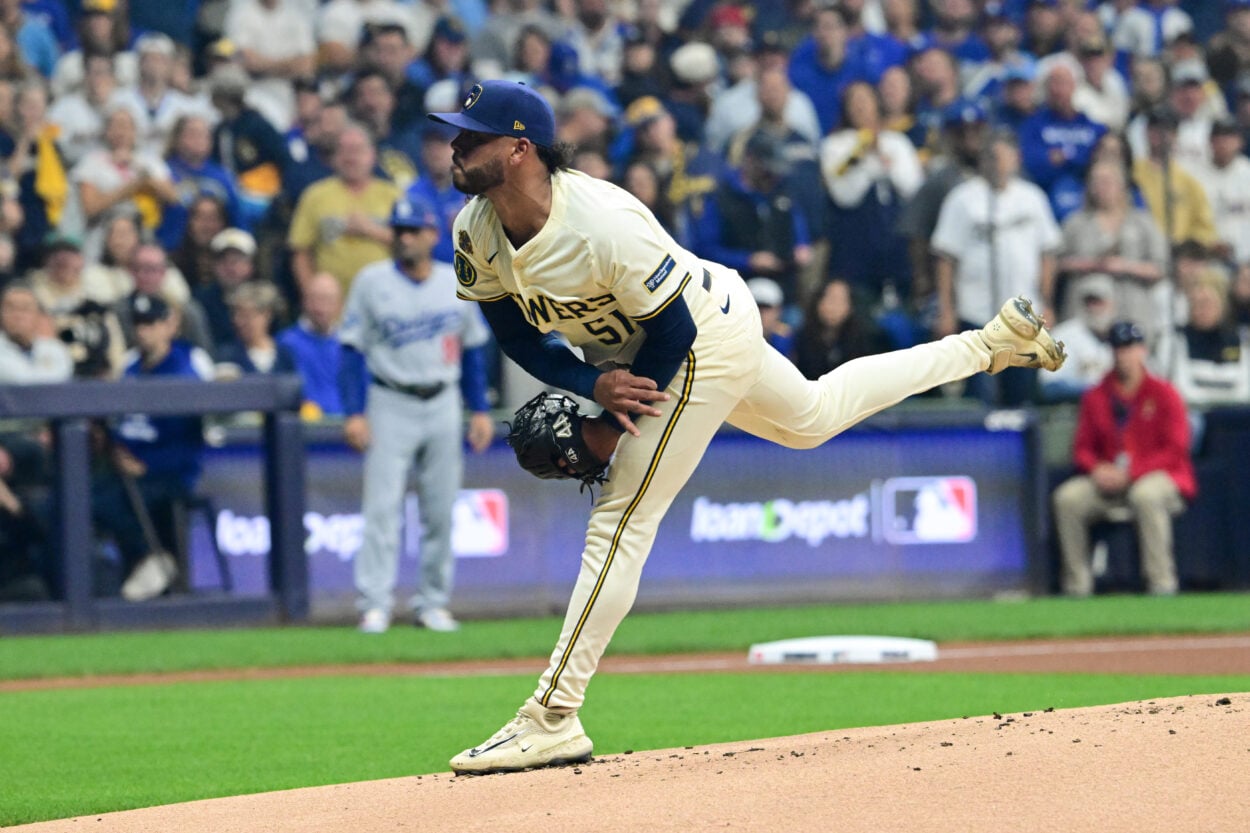
However, if the bidding war for Valdez gets too rich or long-term, the Mets could leverage their high-profile prospect capital to acquire Freddy Peralta from the Milwaukee Brewers via trade. Peralta is a tremendous piece who would instantly step in as a frontline starter, filling a desperate need for swing-and-miss stuff.
The complication? The Mets aren’t the only ones calling Milwaukee; the Yankees and Dodgers are also potential suitors, meaning the price in prospects will be steep. Whether it’s writing a check for Valdez or trading a blue-chip prospect for Peralta, the Mets are signaling that the loss of Kyle Tucker was just a speed bump, not a stop sign.