
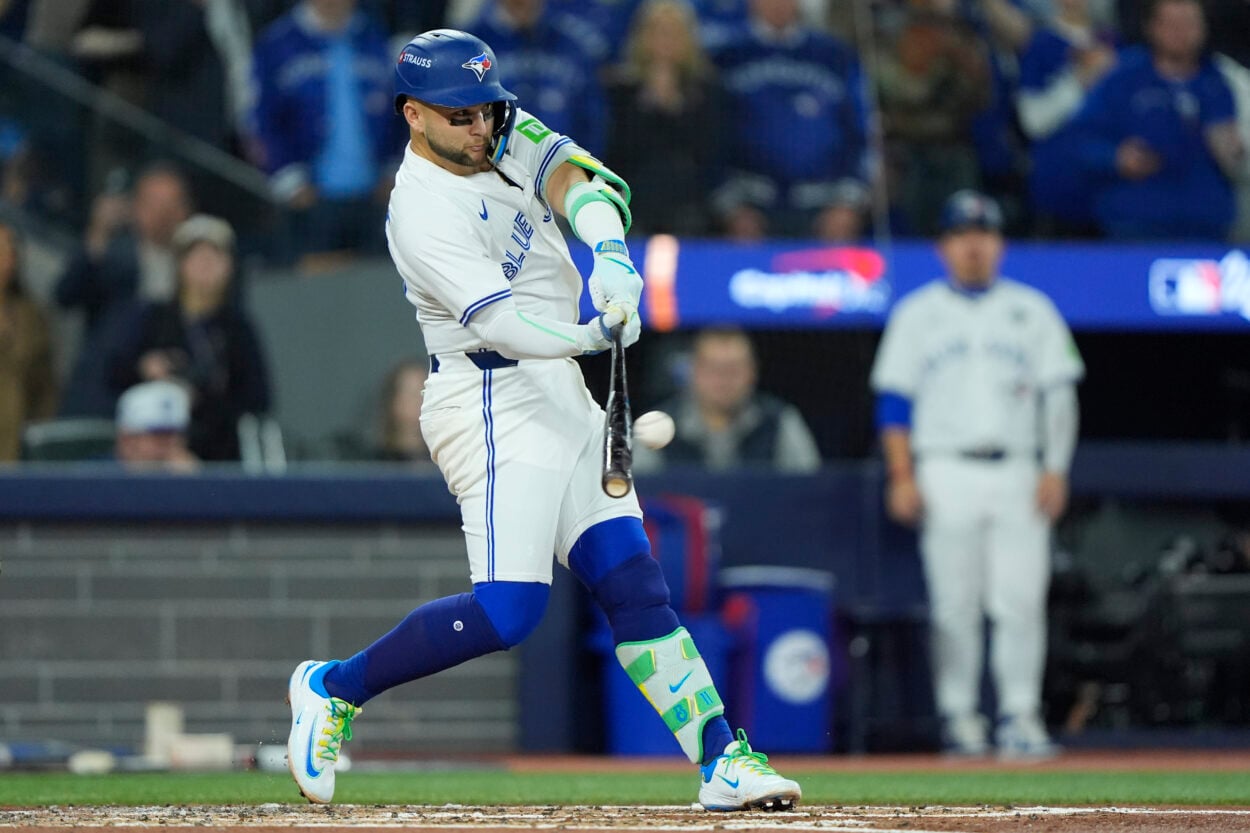
Let’s cut through the noise about the defense for a second. Yes, Bo Bichette’s glove at shortstop was a problem last year. We all saw the highlights, or rather, the lowlights. But David Stearns didn’t hand out a three-year, $126 million contract because he wanted a Gold Glover to flash leather at the hot corner. He made this move because the New York Mets desperately needed a guy who wakes up in the morning and hits line drives before he even brushes his teeth. And if you dive into the advanced metrics from his 2025 season, what you find isn’t just a good hitter; you find an absolute offensive savant who breaks the modern mold of “swing hard and pray.”
Bichette is coming off a campaign with the Blue Jays where he slashed .311/.357/.483, numbers that feel almost retro in an era dominated by the “three true outcomes.” He posted a 134 wRC+, meaning he was 34% better than the league-average hitter while dealing with nagging injuries down the stretch. But the surface stats barely scratch the itch. The real story is in the underlying data, specifically his ability to manipulate the bat.
Bichette ranked in the 98th percentile for Expected Batting Average (xBA) at .295. Think about that for a second. Based on the quality of contact he made, he was statistically better than 98% of his peers at earning base hits.
Elite Contact with a Purpose
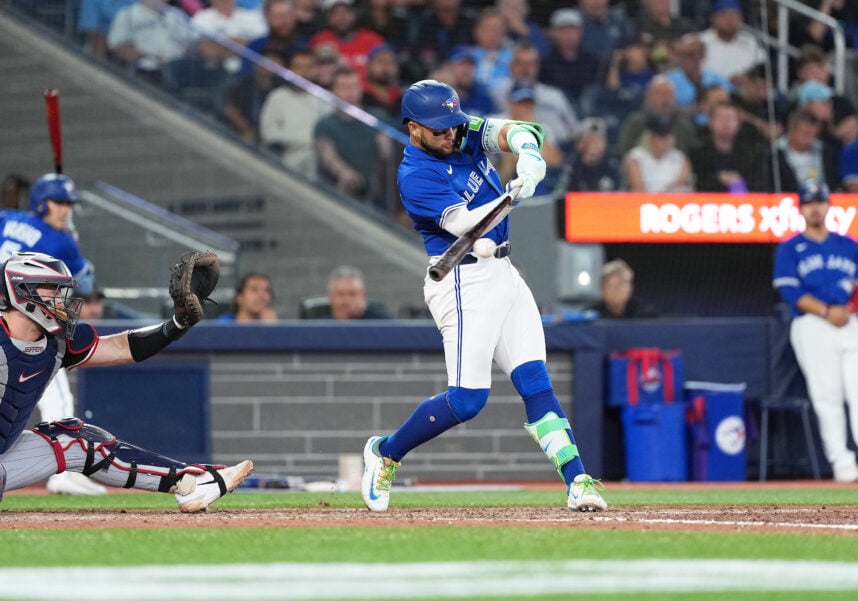
The narrative on Bichette has always been that he’s “aggressive,” which is usually code for “swings at everything.” And while his 12th percentile Chase Rate confirms he loves to expand the zone, his hand-eye coordination is so freakish that it doesn’t matter. He posted an 83rd percentile Whiff Rate and an 86th percentile Strikeout Rate (just 14.5%). In a lineup that has had prone-to-whiff moments, adding a guy who simply refuses to strike out is a game-changer.
But don’t mistake “contact” for “slap hitting.” Bichette isn’t just poking the ball into right field. He drives it. He ranked in the 83rd percentile for Hard-Hit Rate (48.8%) and the 83rd percentile for Sweet-Spot Percentage. He squares the ball up consistently, living in that sweet spot where line drives turn into doubles and mistakes turn into home runs. While his Barrel Percentage (41st percentile) suggests he isn’t a pure slugger like Pete Alonso was, his volume of high-quality contact more than makes up for it.
The Third Base Transition Hides the Flaws
Now, we have to address the elephant in the room: the defense. Bichette ranked in the 1st percentile for Range (Outs Above Average) last season. That is, quite literally, as bad as it gets. But moving him to third base is a stroke of genius. He won’t be asked to cover the vast hole between second and third anymore; he just needs to react. His arm strength, which sits in the 36th percentile, is less of a liability at the hot corner where quick release matters more than cannon fire.
This signing is about raising the floor and the ceiling of the offense simultaneously. The Mets acquired an 86th percentile Batting Run Value player who provides elite insurance against slumps. If he opts out after one year, it means he mashed. If he stays for three, you have a cornerstone. Either way, the Mets just got a whole lot scarier for opposing pitchers.