
The first real sign the New York Mets were willing to live with discomfort this winter came quietly, not with a press conference or a splashy signing, but with what they chose not to do.
Pete Alonso was allowed to walk.
When the Mets declined to match the Baltimore Orioles’ five-year, $155 million offer for the slugger who had defined their offense since 2019, they didn’t just lose 40 homers and a familiar silhouette at first base. They lost certainty. Everything that followed has been about managing that uncertainty without pretending it does not exist.
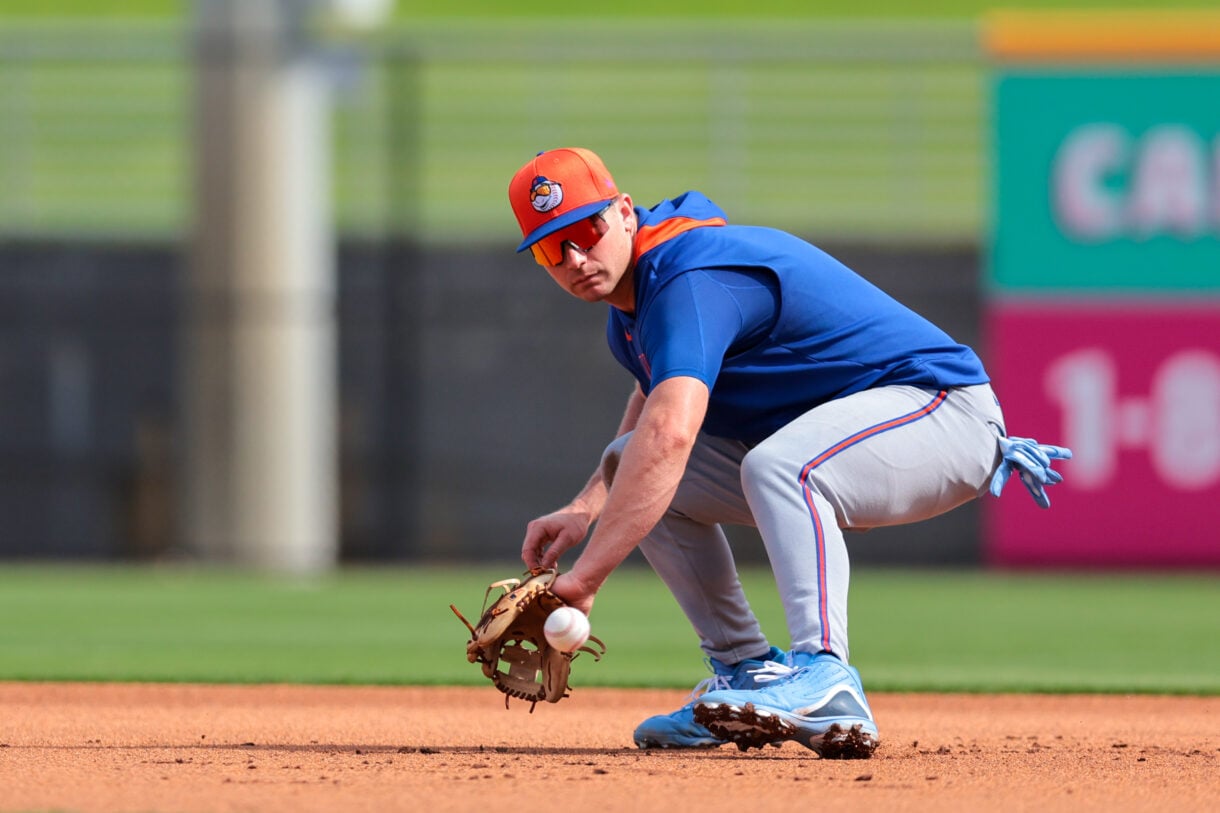
Life After Alonso at First Base
Replacing Alonso was never going to be a one-for-one exercise. Power like that does not appear on command, and the Mets know it. What they opted for instead was flexibility, a willingness to rethink how production arrives at first base rather than chasing a lesser imitation of the same profile.
Enter Jorge Polanco.
On paper, the signing raised eyebrows. Polanco is a career middle infielder, with some third base experience and exactly one major league game played at first base. For a team already navigating a transition year in parts of the roster, that felt like adding instability where none was needed.
But context matters, and the Mets were not buying blind.
The Quiet Preparation in Seattle
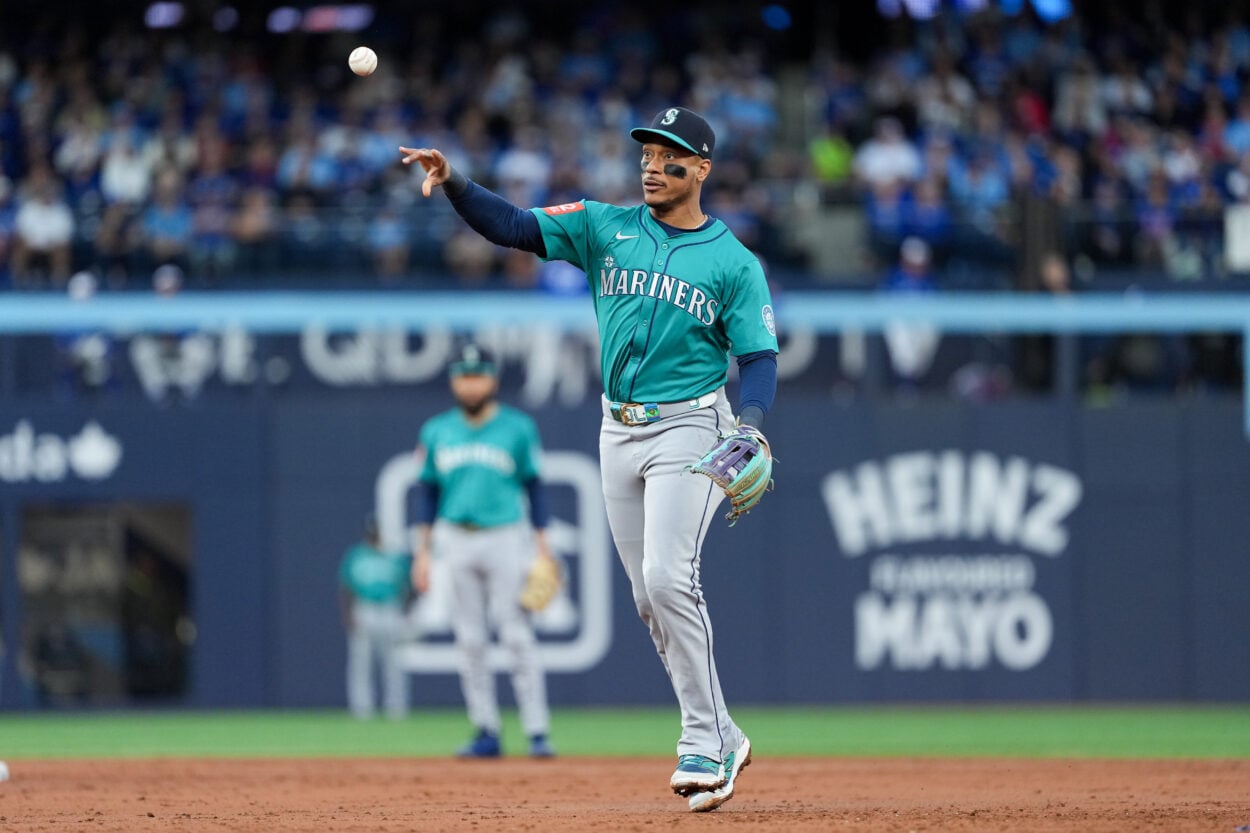
What makes Polanco more than a roll of the dice is work that never showed up in box scores. During the 2025 season, while playing for the Seattle Mariners, Polanco spent more than two months working with infield coach Perry Hill and the rest of the staff on a potential move to first base.
This was not theoretical work. Hill told The Athletic’s Will Sammon that Polanco drilled the specific mechanics that trip up converted infielders. Holding runners. Learning how to find the bag without getting stepped on. Making the throw to second from an unfamiliar angle. Getting back to first on snap throws from the catcher, a detail that separates playable defense from chaos.
Seattle’s greater need at second base kept Polanco there during games, but the groundwork was laid. The Mets are not asking him to learn first base from scratch. They are asking him to continue something already in motion.
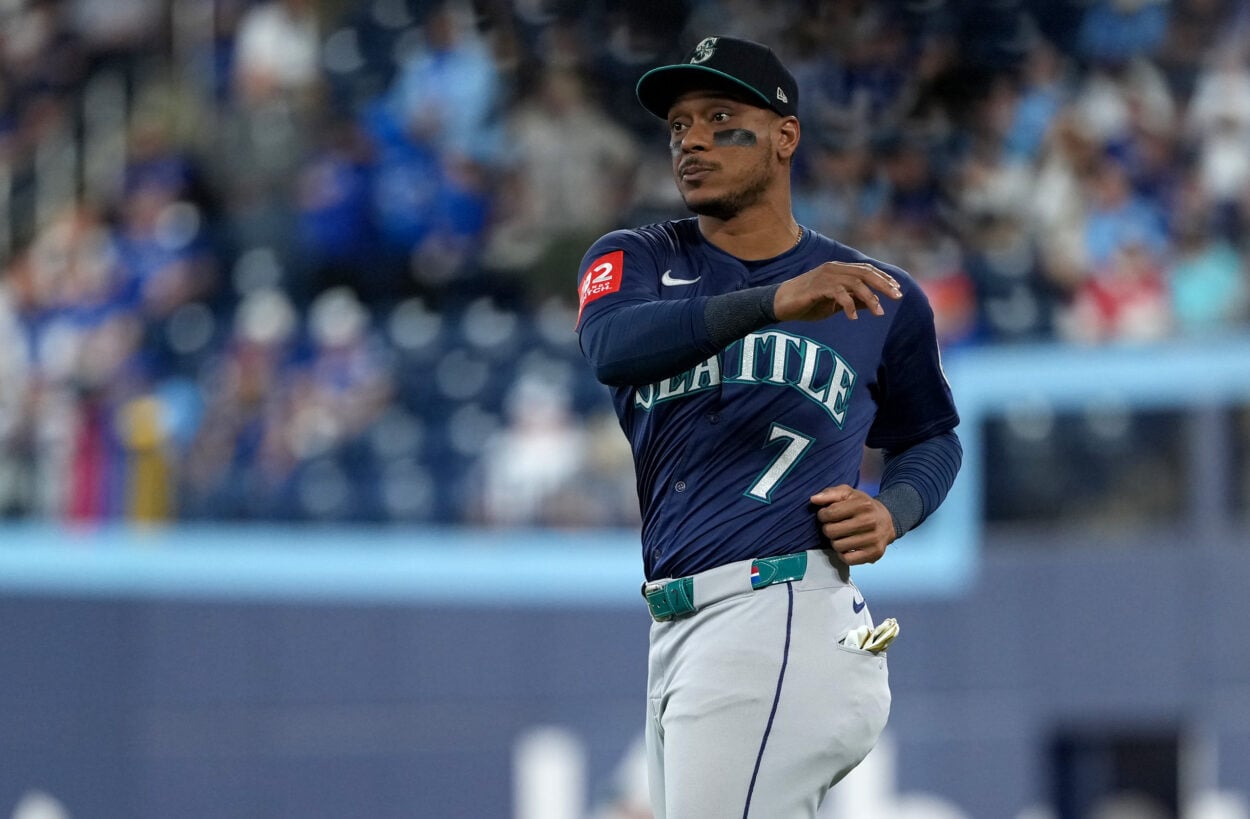
Why the Mets Are Betting on the Person
Defense at first base is often dismissed as easy until it is done poorly. The Mets understand the risk. They also understand the value of adaptability, especially for a roster that expects to mix and match roles across the diamond.
Polanco is expected to split his time between first base and designated hitter in 2026, which lowers the immediate defensive burden. More importantly, the Mets plan to stay in constant communication with him and devote significant spring training time to refining his work at the cold corner.
Hill described Polanco as an A-plus person, a phrase teams lean on when they believe effort will bridge the gap between what a player has done and what he needs to do next. Polanco still has middle infield habits to unlearn, but discipline and work ethic matter when the margin for error is thin.
A Different Kind of Replacement
This is not the Mets pretending Alonso’s absence will not be felt. It will. But this is also not a panic move. Polanco represents a philosophical shift, one that values versatility and preparation over chasing a familiar archetype.
First base in Queens is no longer a fixed identity. It is a problem the Mets believe they can solve collectively, through usage, coaching, and adaptability.
Whether that belief holds will play out over a long season, one rep at first base at a time.