
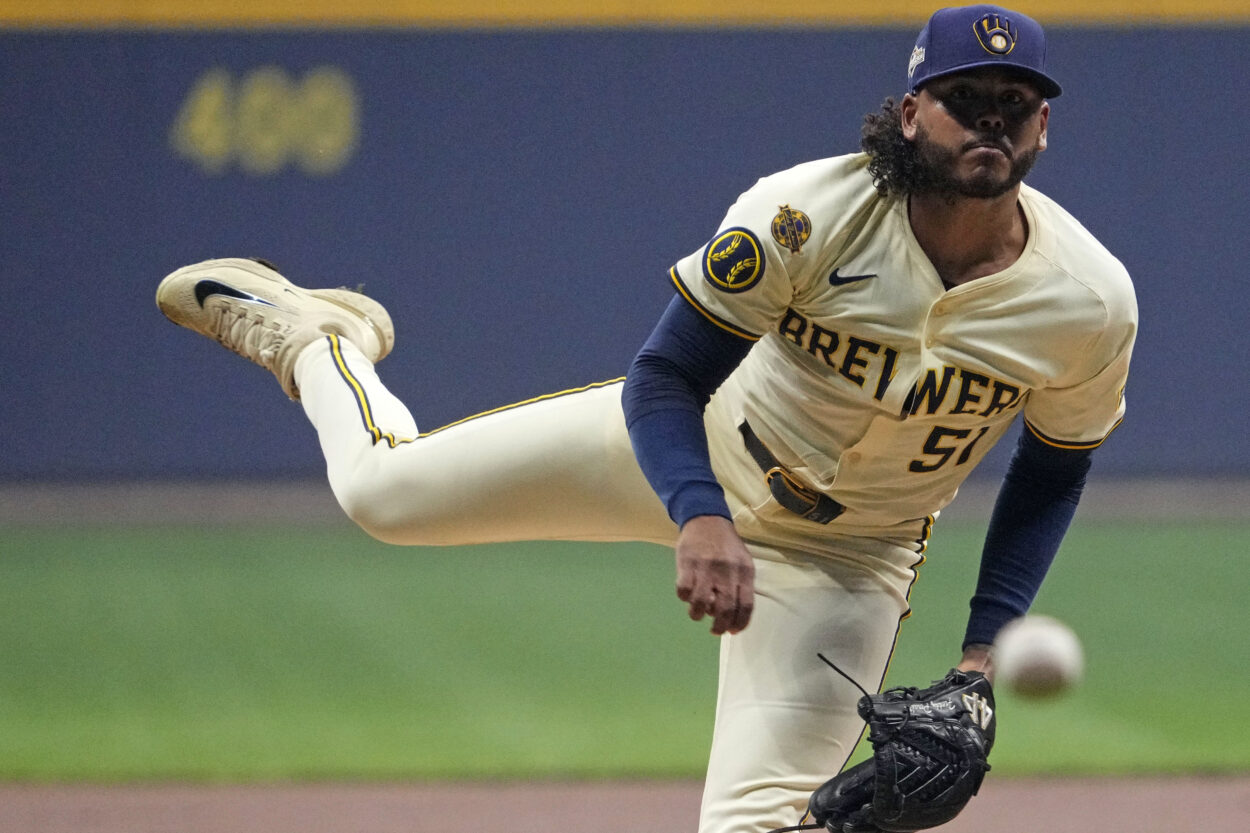
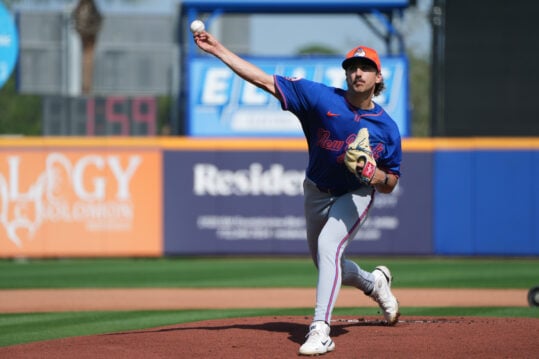
David Stearns finally did it. This week, he pulled the trigger on the kind of blockbuster that makes Queens shake and leaves the rest of the NL East looking over their shoulders. By shipping out Brandon Sproat and Jett Williams for Freddy Peralta and Tobias Myers, the Mets didn’t just tinker with the roster. They declared they are officially back.
The Cost of Doing Business in Flushing
Let’s not sugarcoat the price tag because it was heavy enough to make any scout wince. You don’t get a guy like Peralta by trading away fringe bench players and a bucket of used baseballs. Giving up Sproat and Williams hurts. It’s supposed to hurt. Jett Williams is a spark plug who lived on base in 2025, posting a 136 wRC+ across the high minors while swiping 34 bags. He’s the kind of versatile athlete who makes a front office look like geniuses three years down the road.
Then there is Sproat, a righty who practically breathes fire and projects as a rotation mainstay for the next half-decade. His 4.79 ERA in a brief MLB cameo last season is a lie. Look at that 2.80 FIP if you want the real story. The kid has the stuff to be a monster in Milwaukee, especially with that Brewers disciplined defense vacuuming up everything behind him. But prospects are just lottery tickets until they cash, and the Mets are tired of waiting for the drawing.
Fastball Freddy and the Quality Leap
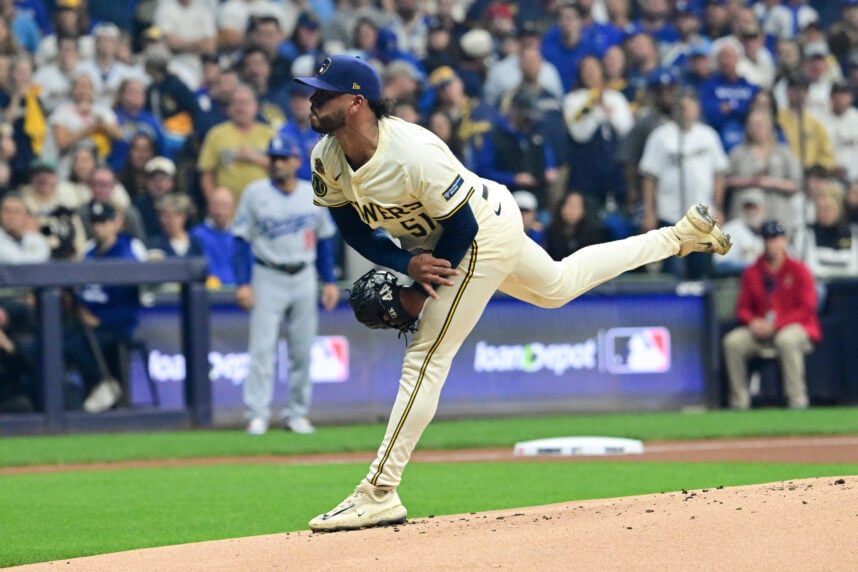
The Mets desperately needed a front-line stabilizer, and Peralta is exactly that. We are talking about a guy coming off a season with 204 strikeouts and a sparkling 2.70 ERA. That isn’t just “good” pitching; that is “get out of my way” dominance. He gives Carlos Mendoza a weapon that can neutralize a lineup in a playoff environment where every mistake is magnified.
Peralta brings a pedigree of missing bats that this rotation lacked at the top. While some critics point to his impending free agency as a risk, flags fly forever. If he anchors a deep run this October, nobody in the Citi Field stands is going to be crying about Jett Williams playing second base in Wisconsin. This is about the now, and the now looks a whole lot brighter with an established ace taking the mound every fifth day.
What the Smartest Guys in the Room are Saying
Inside the industry, the consensus is that both sides got what they needed, but the Mets earned high marks for their sheer aggression. One American League executive told Mark Feinsand of MLB.com that while Jett is a solid everyday guy, he lacks a definitive defensive home. He viewed Sproat as a reliable No. 4 starter who will thrive under Milwaukee’s pitching lab. The executive essentially summed it up as a high-floor, high-reward move for the Brewers that doesn’t leave the Mets with any immediate regrets.
Another front-office source pointed out that the Mets secured the exact starter they coveted, while Milwaukee successfully turned a single year of control into twelve years of affordable talent. It is a classic David Stearns move, even if he’s now the one sitting in the opposing chair. Perhaps the most interesting take came from an executive who cautioned everyone to stop ignoring the secondary pieces. He specifically noted that Tobias Myers is “not nothing” in this deal, suggesting his 3.55 ERA and swingman versatility could be the secret ingredient that keeps the Mets’ bullpen from imploding.
The Final Verdict on the Gamble
Milwaukee walked away with a haul that secures their future, and they deserve credit for maximizing Peralta’s value. But for the Mets, this was about legitimacy. They have the ace they wanted and a secondary arm in Myers who can log meaningful innings. By moving Sproat and Williams, they signaled that the time for “wait and see” is officially over.
The Mets finally have their man, and for the first time in a long time, the rotation actually feels complete. If Peralta pitches to his back-of-the-card stats, this trade won’t just be remembered as a win-win. It will be remembered as the moment the Stearns era truly took flight.