
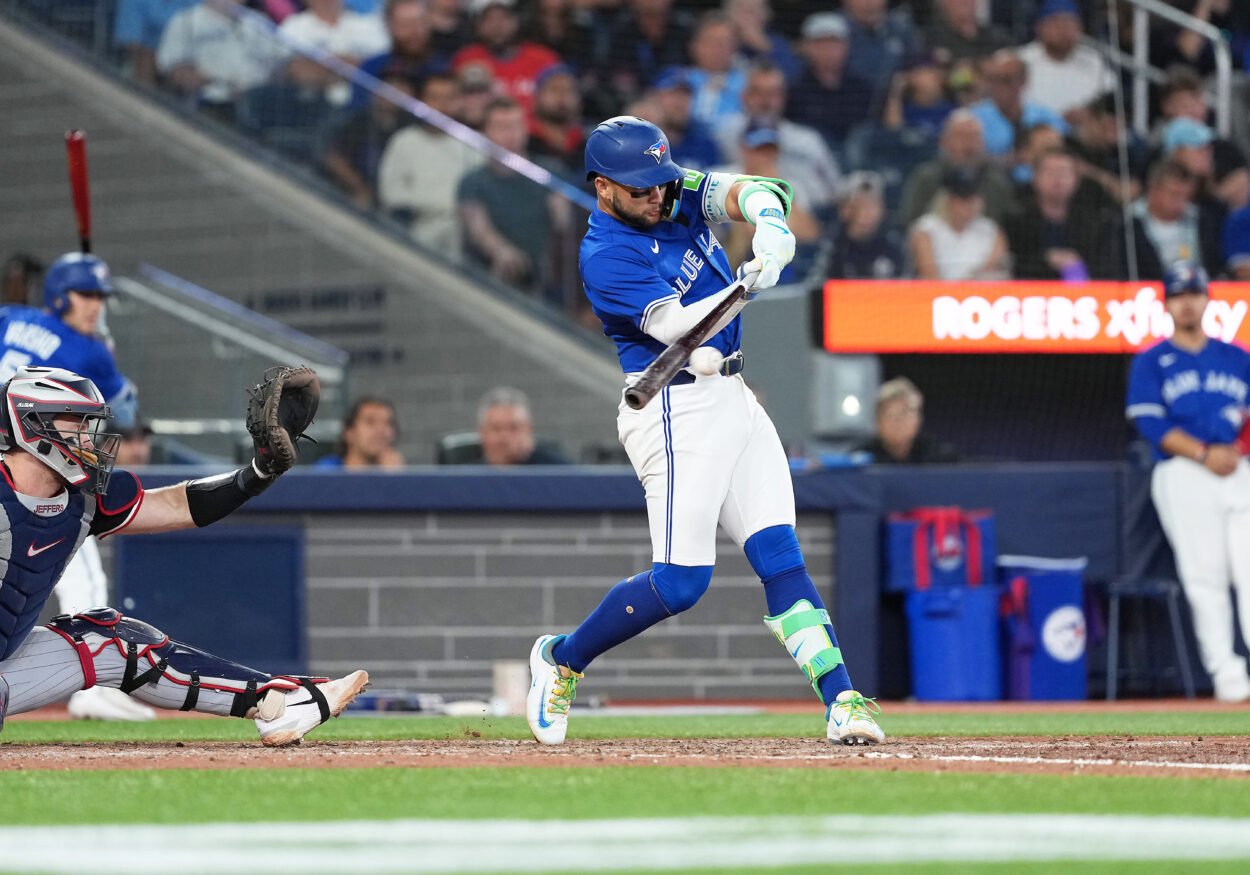
One day after Kyle Tucker slipped away, the New York Mets had already moved on, pivoting hard and decisively to Bo Bichette, a player they clearly believed could stabilize their lineup without dragging the offseason into February.
That urgency tells you a lot about how the Mets viewed this moment. Missing on Tucker stung, but waiting around for a perfect solution was never part of the plan. By the next afternoon, Bichette was in the fold on a three-year, $126 million deal with opt-outs after the first two seasons, a $42 million average annual value, and full no-trade protection. It was aggressive. It was expensive. And it was very on brand for a front office trying to balance contention with long-term discipline.
What Bo Bichette Brings to the Mets
Bichette is not Kyle Tucker, and the Mets were not pretending otherwise. But he is a proven offensive player with a skill set that fits cleanly into a lineup that has leaned too heavily on streaky power in recent seasons. His career 122 wRC+ reflects consistent production, and last season’s 18 home runs and 94 RBI underline his ability to drive in runs without selling out for lift.
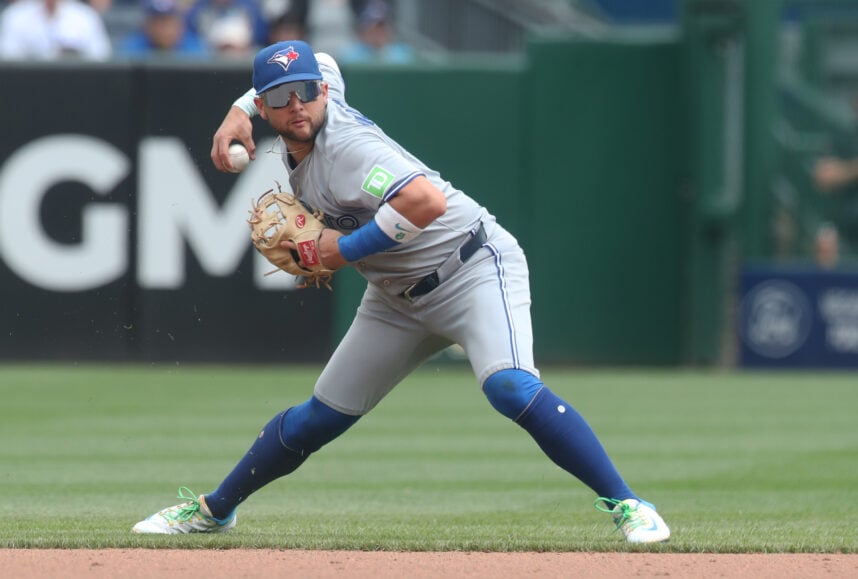
What stands out more than the raw numbers is the reliability. Bichette has been a steady contact hitter, someone who can string at-bats together and punish mistakes. At 27 years old, he already owns 20.0 career fWAR, a strong total for a player who has not yet hit his theoretical peak. The Mets are buying present value here, not projection.
The Cost Beyond the Contract
Money was only part of the price. Bichette’s signing came with real consequences for the Mets’ long-term pipeline, an area this organization has prioritized heavily under David Stearns. According to Will Sammon, the Mets will forfeit their second- and fifth-highest picks in this year’s draft, along with $1 million from their international bonus pool.
That matters. The Mets have been clear about building through the draft and international free agency, and those resources are not easily replaced. For a player who can opt out after 2026, the risk is obvious. One elite season or two, and Bichette could be right back on the open market, leaving the Mets with a thinner farm system and no compensatory safety net.
This is where the gamble sharpens.
Why David Stearns Made the Bet
Stearns is not reckless by reputation. If anything, he has built a career on calculated risks and structural discipline. That makes this deal more interesting, not less. The Mets did not stumble into Bichette. They chose him, understanding both the short-term upside and the long-term cost.
The Mets needed offense, particularly a dependable bat that could anchor rallies and protect the sluggers around him. Bichette checks that box immediately. He also brings postseason experience and a track record that suggests his floor is relatively high. Even if he opts out early, the Mets are betting that the production during those seasons will justify the loss of future assets.
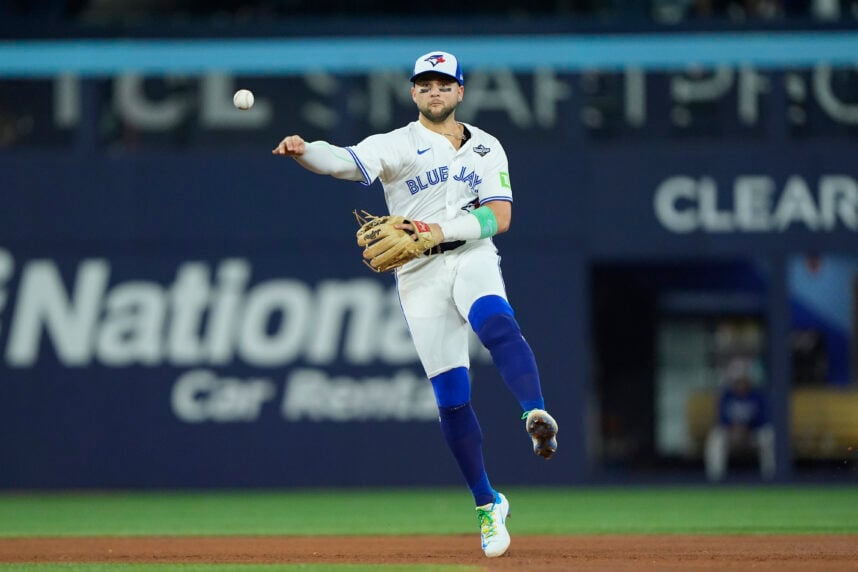
A Move That Defines the Mets’ Moment
This was not a consolation prize. It was a statement about where the Mets believe they are right now. Bichette may not have Tucker’s star power, but he gives the Mets a real hitter in his prime, one capable of shaping games in October rather than just filling a lineup spot in June.
The cost was steep. The margin for error is thin. But this is what contention often looks like when a team decides that waiting carries its own risk. Whether Bichette stays for three years or just one great run, the Mets made their choice, and it says they are done hesitating.