

The dream of pairing Juan Soto with another elite left-handed slugger just took a hit, as ESPN’s Jeff Passan threw a bucket of cold water on the idea of the New York Mets pursuing Kyle Tucker.
Speaking on The Michael Kay Show, Passan made it clear that Steve Cohen’s checkbook isn’t currently open for the kind of astronomical contract Tucker will demand. It seems the Mets are officially hesitating at the asking price, signaling that there are limits even to their financial aggression this winter.
The reluctance isn’t about talent; it’s about the staggering cost of doing business at the very top of the market. Passan indicated that while the door isn’t entirely nailed shut if Tucker’s market unexpectedly collapses, the Mets are far more likely to pivot toward Cody Bellinger as their outfield solution. We are talking about a massive financial chasm here, with Tucker expected to command at least $150 million more than Bellinger, a discrepancy that even the wealthiest owner in the sport has to respect.
Passing on Tucker means passing on one of the most complete offensive profiles in the game today. His 2025 metrics were nothing short of terrifying for opposing pitchers, ranking in the 98th percentile for xwOBA (.398) and the 97th percentile for expected slugging (.582). He is a disciplined assassin at the plate, posting a 90th percentile strikeout rate while barreling up the baseball 13.7% of the time, elite numbers that would have made the middle of the Mets lineup practically unpitchable.
The algorithm hides the best Mets news; make sure you pin Empire Sports Media on Google News so you don’t miss a beat.
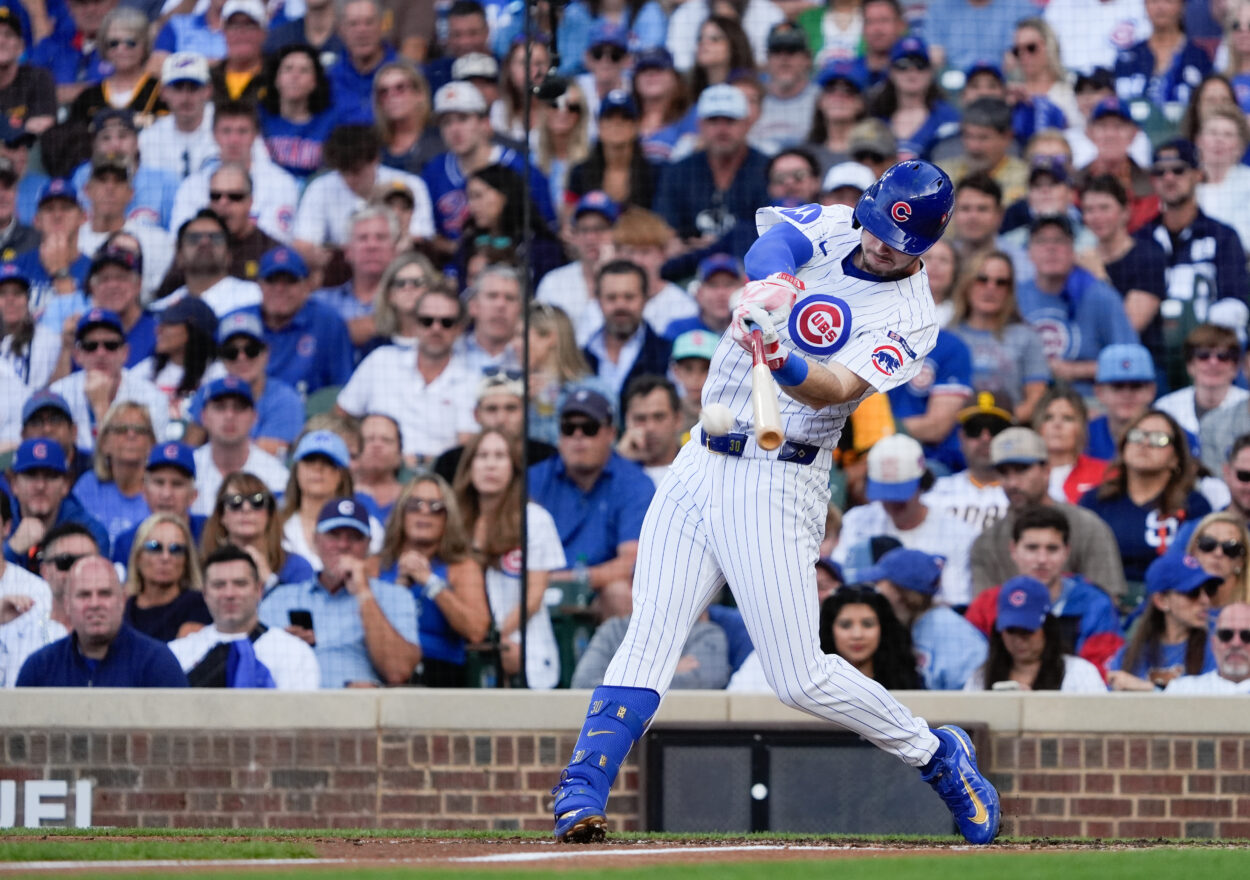
The Mets Are Right to Question Tucker’s Defensive Decline
However, the Mets’ hesitation might stem from the undeniable fact that Tucker is rapidly becoming a one-dimensional player. While his bat is unquestionably lethal, his defensive value has fallen off a cliff, with his range (Outs Above Average) plummeting to the 25th percentile last season. Furthermore, his sprint speed sits in the 26th percentile and arm strength in the 58th, suggesting his athletic prime is already in the rearview mirror.
Paying mega-contract money for a corner outfielder who is already a significant defensive liability at age 28 is an incredibly risky proposition. David Stearns is proving that he won’t just spend money for the sake of making headlines, even with Cohen’s backing. If the choice is between an offensive juggernaut with diminishing defensive skills like Tucker, or a versatile, Gold Glove-caliber defender like Bellinger for a fraction of the cost, the smart money plays the value angle every time.
Looking Ahead: Stearns Won’t Be Baited into an Overpay
The offseason is still young, and agent Scott Boras is notorious for waiting out the market to squeeze every last dime from desperate teams. If Tucker is still sitting there in late January and his asking price drops significantly, perhaps Stearns circles back to gauge the value. But right now, the Mets seem content to let someone else pay the massive premium for Tucker’s bat while they focus on more well-rounded targets to complete their outfield.