
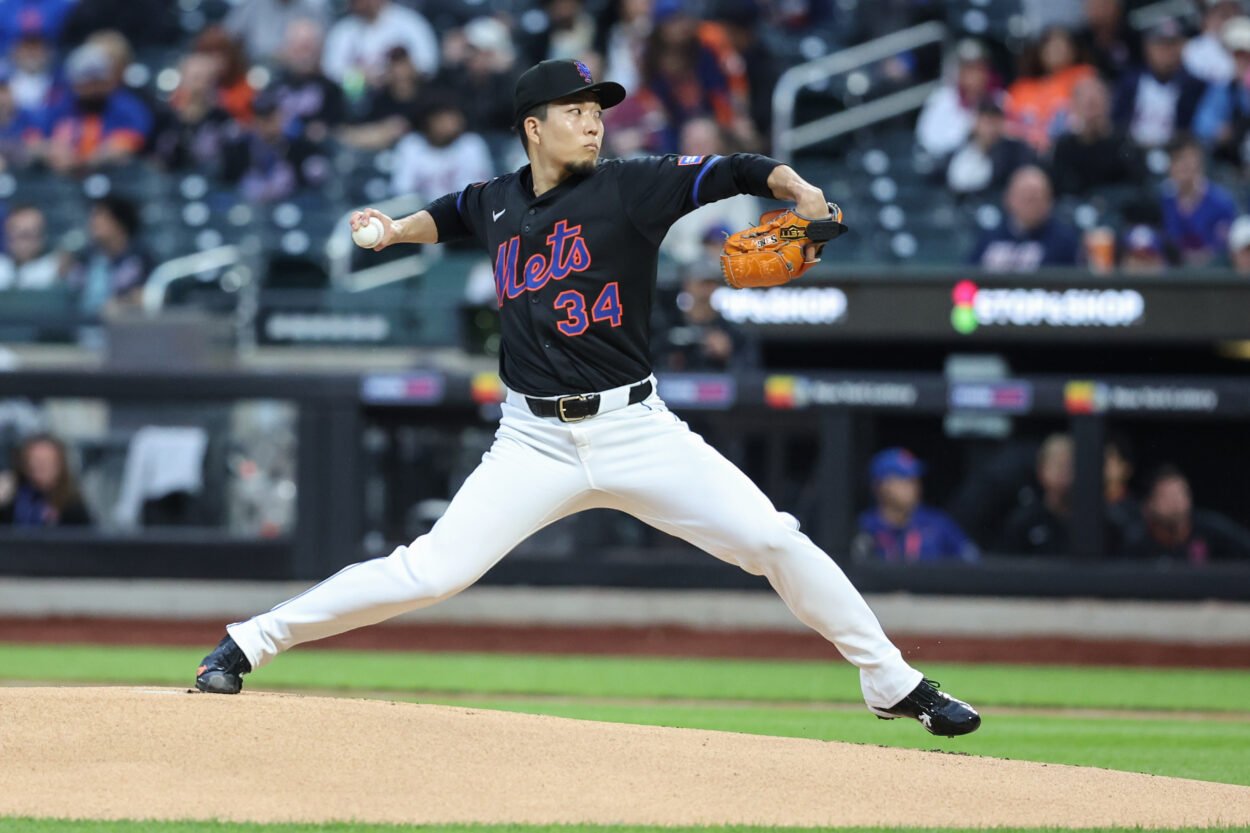
“Senga’s preference to stay is notable, considering the Mets’ personnel changes over his short tenure. Since arriving from Japan, Senga has experienced a managerial change, a front-office leadership change and, most recently, a pitching coach change.”
That insight from Will Sammon of The Athletic paints a picture of a loyal soldier standing firm on shifting sand. You have to respect a guy who looks at a revolving door of leadership in Queens and still decides he wants to plant his flag there.
However, reports indicate that Kodai Senga’s loyalty might not be enough to save him from the realities of the business. The New York Mets are trying to offload veteran salary and clear the way for the future, and sentimentality rarely survives that kind of spreadsheet analysis.
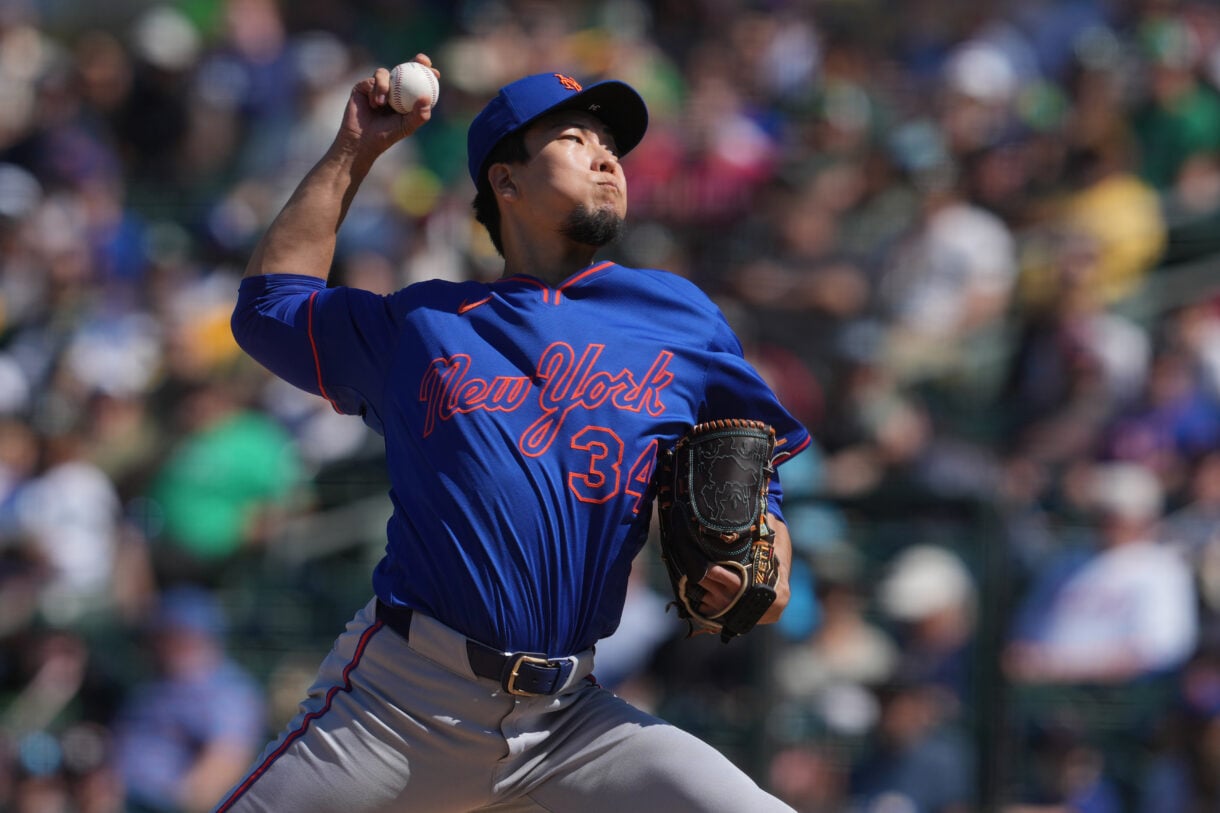
Clearing the Decks for a New York Mets Reset
We already saw the first domino fall when the front office moved Brandon Nimmo in exchange for Marcus Semien. That wasn’t just a baseball move; it was a financial calculation. Semien comes with money attached, sure, but he has two years less on his contract compared to Nimmo. That shorter commitment helps the Mets significantly down the line.
But the pruning isn’t finished. Reports have already indicated that Jeff McNeil is on the trade block, and now starting pitcher Kodai Senga finds his name circulating in the rumor mill. It creates a harsh juxtaposition between what the player wants and what the team needs. Senga would prefer to stay with the Mets, but in this industry, it most certainly isn’t up to him.
Senga’s Contract Trap and Statistical Warning Signs
The 32-year-old is in a tricky spot contractually. He signed a five-year, $75 million deal in 2023 that lasts until 2027, with a club option for 2028 hanging on the end. He actually held the keys to his own destiny at one point. He would’ve had to throw 400 innings in his first three years to opt out of the deal. Instead, Senga missed that threshold by a large margin, leaving him locked in and at the mercy of the front office’s whim.
On the surface, you might wonder why they would move him. He did post a respectable 3.02 ERA last season over 113.1 innings. Those are numbers you usually hug tight. But peel back the curtain and the red flags start waving. His strikeouts dropped significantly to just 8.66 per nine innings. He relied heavily on a 79.9% left-on-base rate to suppress runs, while carrying a 46.6% ground ball rate.
Declining Velocity Forces Mets to Pivot
The scariest metric isn’t on the back of the baseball card; it’s on the radar gun. Senga has watched his velocity continue to drop over time. That is the kind of trend that keeps general managers up at night. The Mets need to think about their future, and paying premium prices for diminishing stuff is a bad strategy.
Allocating that $15 million salary more appropriately makes a ton of sense for a team trying to get younger and more flexible. Of course, Senga isn’t dead weight. A team might be willing to take on that contract just for the upside he presents when he is healthy. But for New York, moving on feels like the prudent play, regardless of how much Senga wants to stick around for the next regime change.
Loyalty is a noble trait in a clubhouse, but it has never stopped a trade when the velocity starts to dip and the payroll needs a trim.