

A quiet transaction on a Thursday afternoon rarely grabs attention in Queens, especially in January, when the baseball calendar feels more theoretical than real. But the New York Mets keep telling you who they are with moves like this, even when the name doesn’t ring immediately.
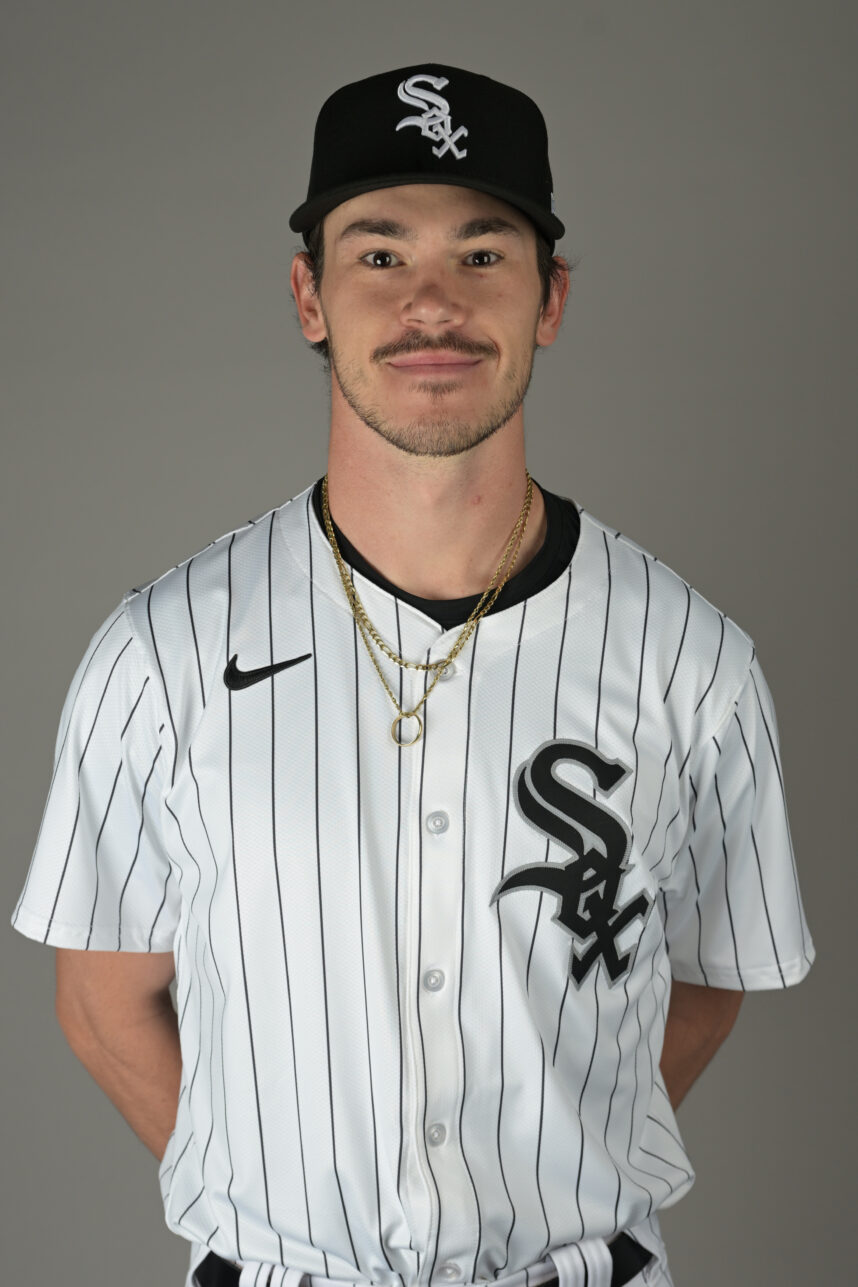
The Mets signed left-hander Trey McGough to a two-year minor league contract, according to Will Sammon, adding another arm to a growing pile of low-cost pitching depth. It is not flashy. It is also very much on brand for how this front office has chosen to build around the margins.
Why the Mets Keep Fishing in This Pool
Every season is long. Every bullpen eventually frays. The Mets know this better than most, and they have responded by collecting arms the way other teams collect bench bats. Jun-Seok Shim, Mike Baumann, Zach Peek, Daniel Duarte, Carl Edwards Jr., Cooper Criswell, Robert Stock, Nick Burdi, and Tyler Burch have all joined on minor league deals this offseason. None are guarantees. All are options.

McGough fits neatly into that philosophy.
He is 27, left-handed, and has already bounced through the Pirates, Orioles, and White Sox organizations without pitching in MLB yet. That kind of résumé rarely leads to headlines, but it does tell you something about how evaluators see him. Useful enough to keep around. Interesting enough to keep trying.
A Career That Took a Pause
McGough’s story has a wrinkle that makes this signing more than just another line item. He retired after throwing just 15 innings during the 2025 season in the White Sox organization, a brief stint that ended with an ugly 9.00 ERA at Triple-A. The break was short, but stepping away at all matters in a sport built on stubborn persistence.
Now he is back, and the Mets are the team offering him the runway.
The two-year minor league structure raises eyebrows for a reason. Those deals are often used for players rehabbing injuries or rebuilding their careers at a slower pace, with less immediate pressure to produce. It suggests the Mets see McGough as a longer-term project, not a quick fix.
The Numbers That Still Matter
That 2025 line is hard to ignore, but it also sits awkwardly next to the rest of McGough’s track record. In 2024, he logged 81.2 minor league innings with a 1.98 ERA, showing real effectiveness across multiple levels. Over the course of his minor league career, he owns a 3.21 ERA and has generally kept himself afloat with command and pitchability rather than overpowering stuff.
He was also the pitcher the White Sox received when they dealt Eloy Jiménez at the 2024 deadline, a reminder that teams have valued him as a legitimate asset, not filler.
A Role Shift That Fits the Mets
McGough was a starter for much of his college and early professional career, but the last two seasons have told a different story. In 2024 and 2025, he worked primarily out of the bullpen, and that may be where the Mets see the most value.
Left-handed relief depth is never a bad thing, especially for a team that has cycled through bullpen solutions year after year. The Mets do not need McGough to be dominant. They need him to be functional, flexible, and ready when the phone rings.
This is how depth quietly wins games in July and August.
What This Signing Really Says
The Mets are not pretending that every arm they sign will matter. They are betting that enough of them will.
McGough is a lottery ticket with a slightly better set of odds than most, a pitcher who has shown he can get outs, stepped away, and decided to come back. Those players sometimes surprise you. Sometimes they do not. The cost is minimal either way.
For the Mets, the process is clear. Accumulate. Evaluate. Keep options open.
And sometimes, the moves you barely notice in January are the ones you’re grateful for when the season starts to test your depth.