
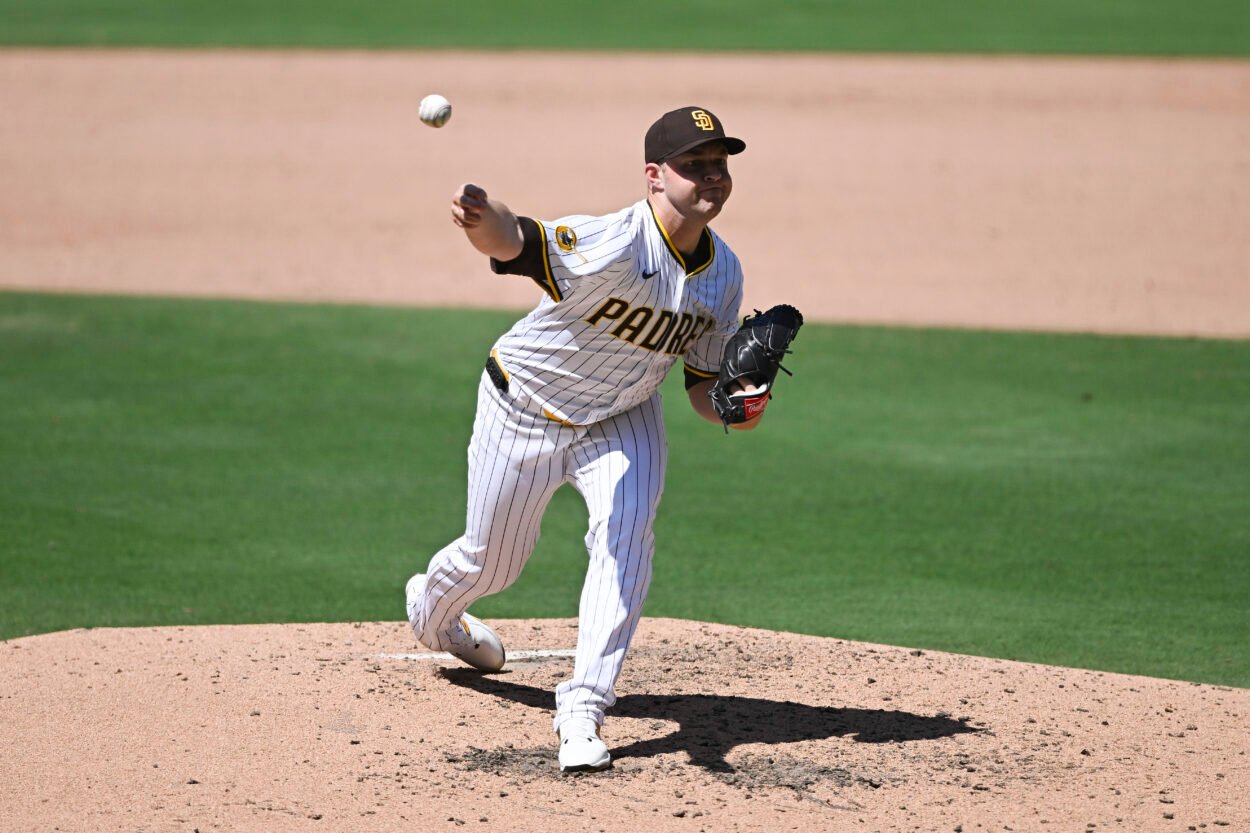
There is a certain kind of pitcher the New York Mets have circled for years, sometimes quietly, sometimes not. Michael King fits that profile almost too cleanly, which is why his sudden availability without the need to surrender prospects feels like a rare moment when timing actually favors this front office.
King is a free agent now, and that alone changes the entire conversation. The Mets have tracked him through trades that never materialized and deadlines that passed with more questions than answers. This time, the only cost is money, which also means the competition will be fierce. Opportunity rarely shows up without company.
A Market Moving Faster Than Usual
According to Mark Feinsand of MLB.com, King could be the next significant domino to fall in free agency, with a decision expected in days rather than weeks. The list of suitors is predictably long and familiar: the Yankees, Red Sox, Orioles, Cubs, and the Mets are all in.
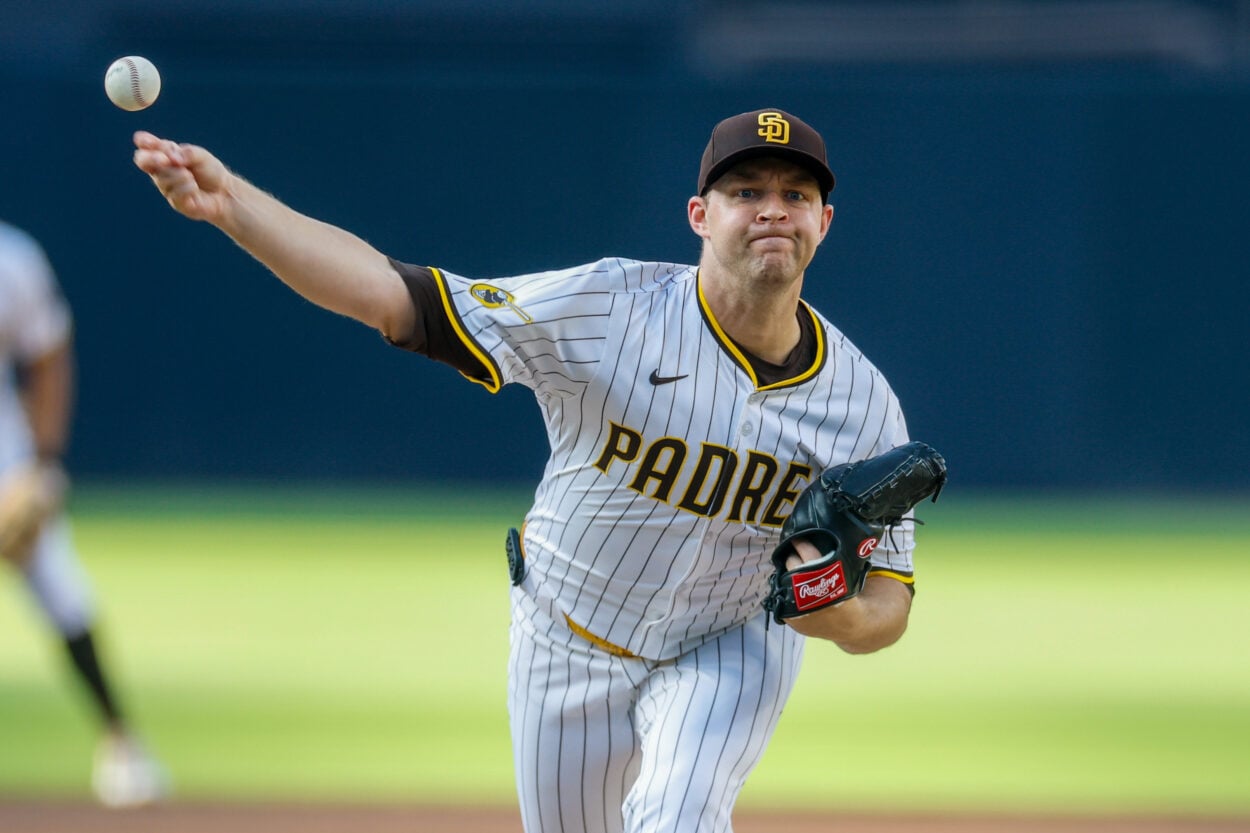
Feinsand reports that King is likely seeking a four-year deal, while the other top starters on the market, including Framber Valdez, Tatsuya Imai, and Ranger Suárez, are pushing for at least five. That distinction matters. It creates a natural fault line where teams uncomfortable with long commitments can still stay involved.
For the Mets, that detail jumps off the page.
Why the Contract Length Matters in Queens
If you have followed the Mets closely over the last few weeks, you know David Stearns has drawn a clear line when it comes to long-term risk. The organization has been reluctant to offer lengthy deals, a stance that contributed to losing Pete Alonso, Edwin Diaz, and other high-profile free agents. Stearns has been consistent in his belief that contracts stretching too far into the future can become financial anchors.
A four-year deal for a pitcher entering his age-30 season fits that philosophy far better than a five or six-year gamble. It offers upside without mortgaging future flexibility, which has become a guiding principle for the Mets as they attempt to balance competitiveness with sustainability.
Unless another team pushes the market with an extra year, the Mets are positioned to be very real players here.
The Pitcher the Mets Actually Need
Strip away the contract talk and the intrigue is simple. Michael King has been very good. In 2025, he posted a 3.44 ERA. The year before, that number dropped to 2.95, and he eclipsed 200 strikeouts. Those are not placeholder numbers. That is frontline production.
King brings reliability and swing-and-miss stuff, two traits the Mets rotation has too often had to search for simultaneously. He is not a lottery ticket or a developmental project. He is a known quantity with recent results to back it up.
How King Fits the Mets Rotation
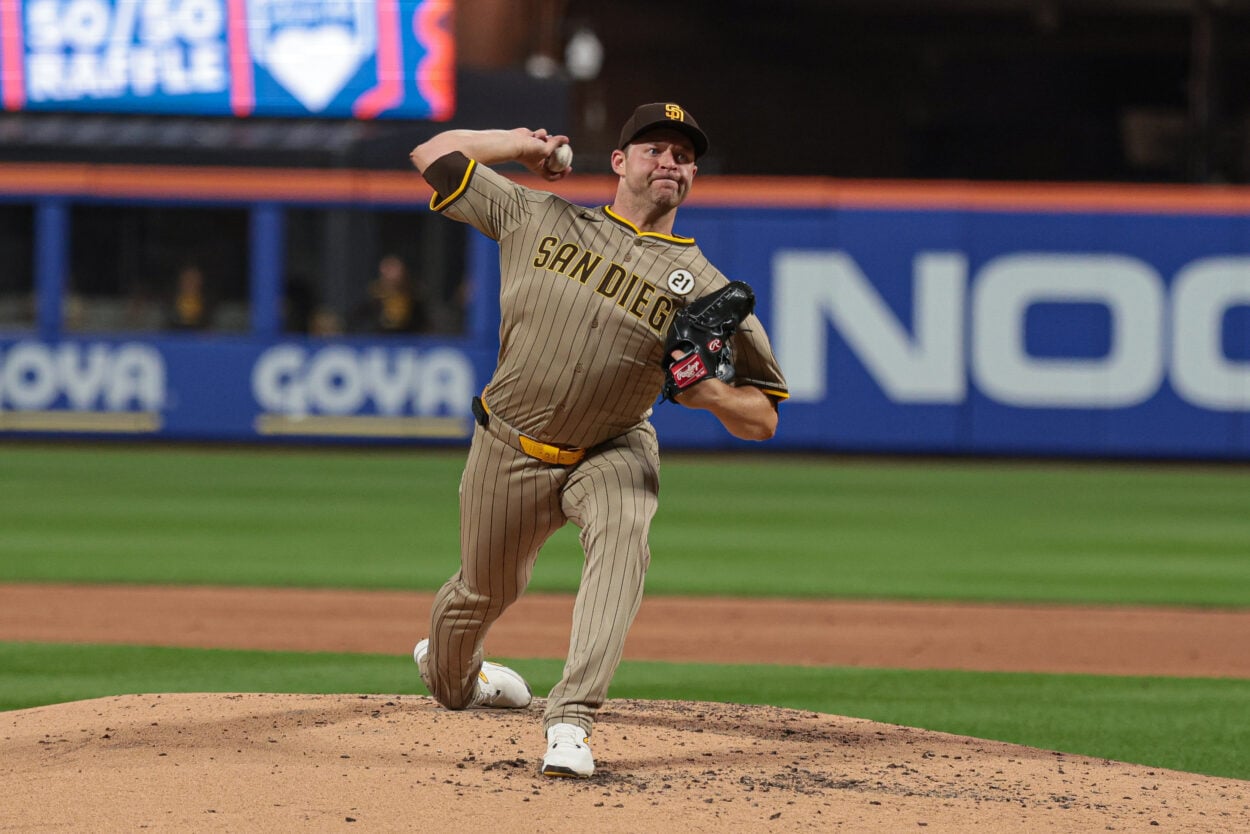
Adding King would immediately change the texture of the Mets rotation. He would slide in seamlessly alongside Kodai Senga, Sean Manaea, and David Peterson, providing stability at the top while allowing the organization to be patient with its young arms.
Nolan McLean, Jonah Tong, and Brandon Sproat represent the future, but none should be rushed into carrying a staff. King bridges that gap. He raises the floor now while protecting the upside later, which is exactly the balance the Mets have been chasing.
This is not about making a splash for the sake of it. It is about fit, timing, and restraint in a market that often rewards none of those things.
If the Mets truly want a rotation that can compete without compromising their long-term vision, Michael King feels less like a luxury and more like the obvious next step.