
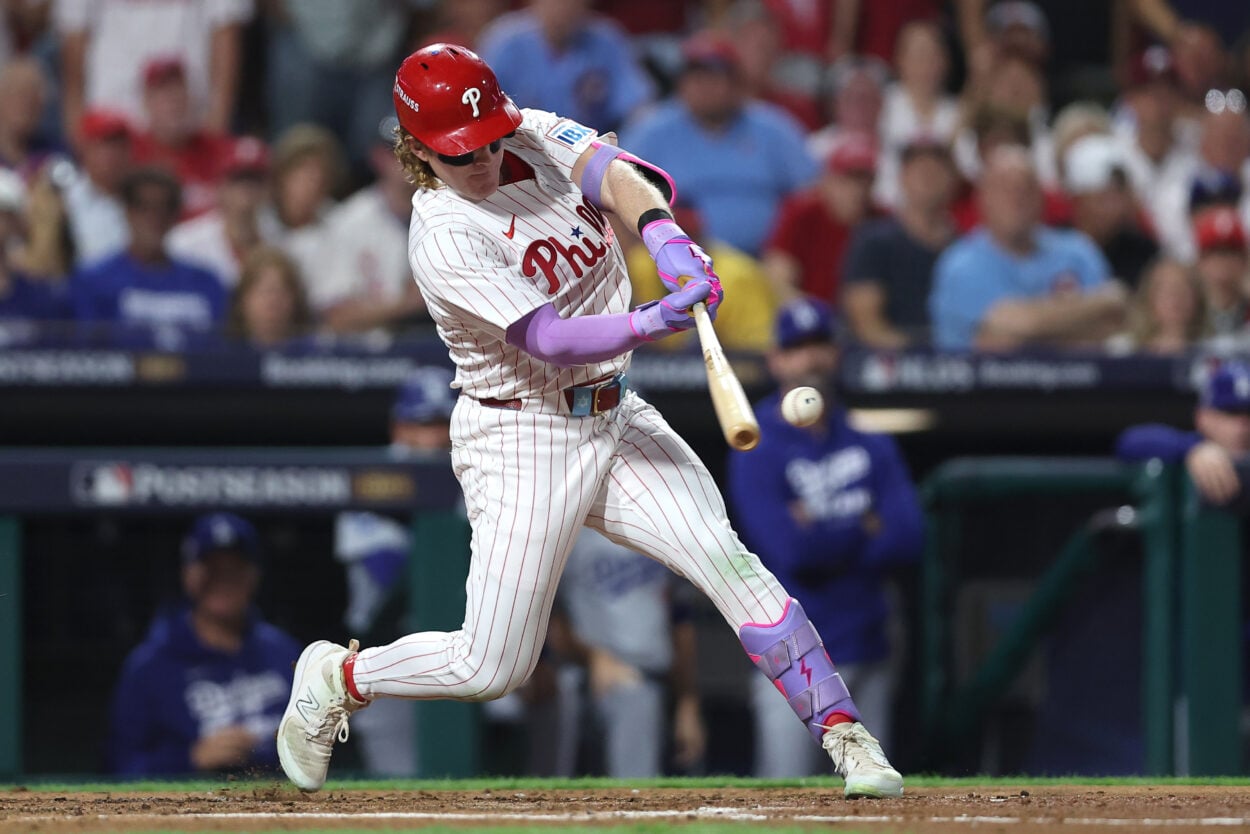
The number that keeps lingering is 70. That was Tyrone Taylor’s wRC+ in 2025, and right now it sits in the middle of the New York Mets’ projected outfield like a blinking warning light.
This is what makes the Kyle Tucker miss sting beyond the headline. The Mets went big, offering four years and $220 million, only to watch Tucker take a slightly richer four-year, $240 million deal with the Dodgers. That happens. What matters is what the roster looks like after the dust settles, and in this case, it looks uncomfortably thin.
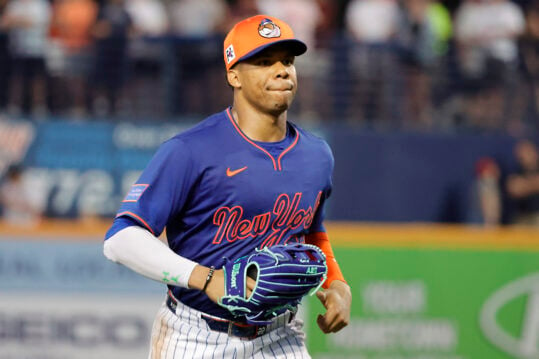
Brandon Nimmo and Jeff McNeil are gone. Jose Siri was designated for assignment. Cedric Mullins walked in free agency. For a team trying to win now, the Mets have stripped their outfield down to Juan Soto, Taylor, and Carson Benge, a talented prospect who has not yet proven he belongs in Triple-A, let alone a pennant race.
That is not a depth chart. It is a problem.
Why the Outfield Has Become the Mets’ Loudest Need
The Mets have holes elsewhere. The rotation still needs clarity. The bullpen always needs arms. But none of those needs are as obvious or as exposed as the outfield.
Juan Soto gives the Mets an MVP-level anchor, but baseball is not played one spot at a time. Taylor’s 2025 offensive struggles make him more of a fourth or fifth outfielder than an everyday solution, and relying on Benge to learn on the fly would be a gamble that rarely ends well for contenders.
Outfield production is not a luxury for this team. It is foundational. Without it, the Mets risk putting pressure on every other part of the roster to compensate, and that is how seasons unravel before they ever find momentum.
Ken Rosenthal’s Pivot and the Short-Term Reality
MLB insider Ken Rosenthal outlined a realistic, if unsatisfying, next step after Tucker chose Los Angeles.
“After missing on Tucker, the Mets might have to pivot to a short-term deal for Harrison Bader or a trade with Boston,” Rosenthal suggested, a point later highlighted by Fireside Mets on X.
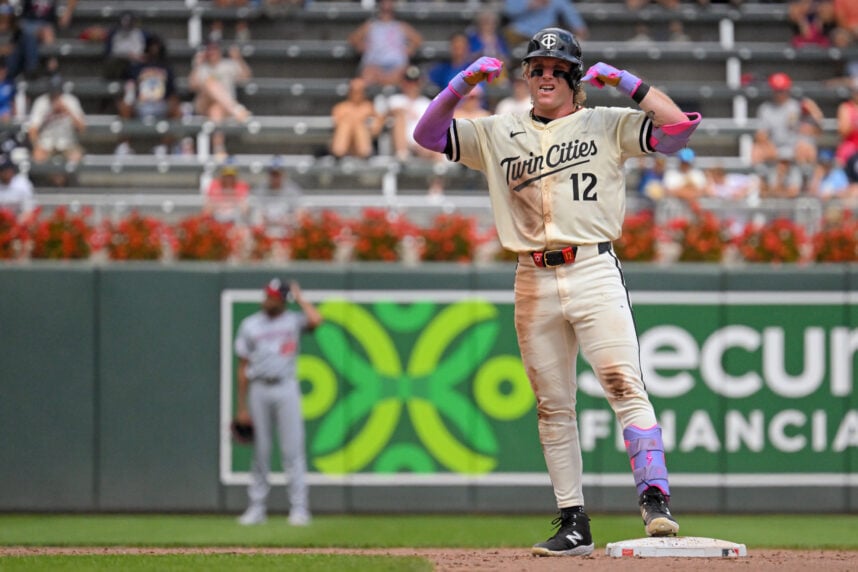
Bader is not a star, but he is useful in ways the Mets currently lack. He remains one of the better defensive center fielders in the game and quietly posted 17 home runs with a 122 wRC+ last season. That profile would stabilize the outfield immediately and buy time rather than solve everything at once.
Some outlets have floated Cody Bellinger as the next target, but that idea feels more speculative than concrete. Despite the current tension between Bellinger’s camp and the Yankees, the Bombers remain the favorite, and the Mets would likely be paying a premium just to complicate a process already leaning one way.
The Boston Angle and a Familiar Name
If the Mets decide to trade, Boston looms large.
Jarren Duran has been connected to the Mets for months, and the fit is obvious. He brings speed, energy, and real offensive upside while still offering defensive value. Roman Anthony would be the dream, but that pursuit feels unrealistic. Duran, by contrast, makes sense in both baseball and front-office terms.
The Red Sox could also offer Wilyer Abreu or Masataka Yoshida, though Yoshida’s lack of defensive value limits his appeal for a Mets team already short on range and flexibility.
Luis Robert Jr. remains a theoretical option, but the White Sox have played hardball throughout his availability, and there is little reason to believe that stance will suddenly soften now.
A Decision the Mets Cannot Delay
The Mets do not need a perfect answer. They need an answer, soon.
Every week that passes with this outfield intact is a week where the margin for error shrinks. Soto cannot do this alone, and hoping for internal miracles is not a plan.
Whether it is Bader, Duran, or another unexpected move, the Mets have reached a point where inaction would be louder than any transaction. For a team built to contend, that silence would be the most dangerous outcome of all.