

It’s strange how quickly a franchise can feel different. One moment, Pete Alonso is the beating heart of the New York Mets lineup, the one guy you could count on to turn a dull inning into something loud. The next, he’s posing for photos in orange and black, and the Mets are left to explain how a player who hit 264 home runs for them walked out the door without much resistance. It doesn’t feel real yet, and maybe that’s because it shouldn’t have come to this.
The Production New York Chose Not To Keep
The numbers alone read like a résumé you’d slide across the table and expect an immediate yes. Alonso delivered 712 runs batted in over seven seasons, with one of those years chopped down to the 60-game sprint of 2020. Even in the context of today’s power-happy game, a 132 wRC+ across that stretch still sets him apart. He wasn’t perfect. Everyone saw the defensive limitations and the slow baserunning, and the metrics reinforced what the eyes already knew. But the bat was the engine. For stretches, it felt like the Mets offense was built around his ability to change a game with a single swing.
A Split Created by Contract Philosophy
The Orioles understood that value and decided his prime wasn’t finished. They offered five years. The Mets stopped at three. In an era where the organization has preached restraint, efficiency, and longevity, the front office drew a hard line, even though the player in question was the one who wanted to stay. Alonso made it clear for years he hoped to be a Met for life. That storyline evaporated the moment Baltimore put real security on the table and New York didn’t match it.
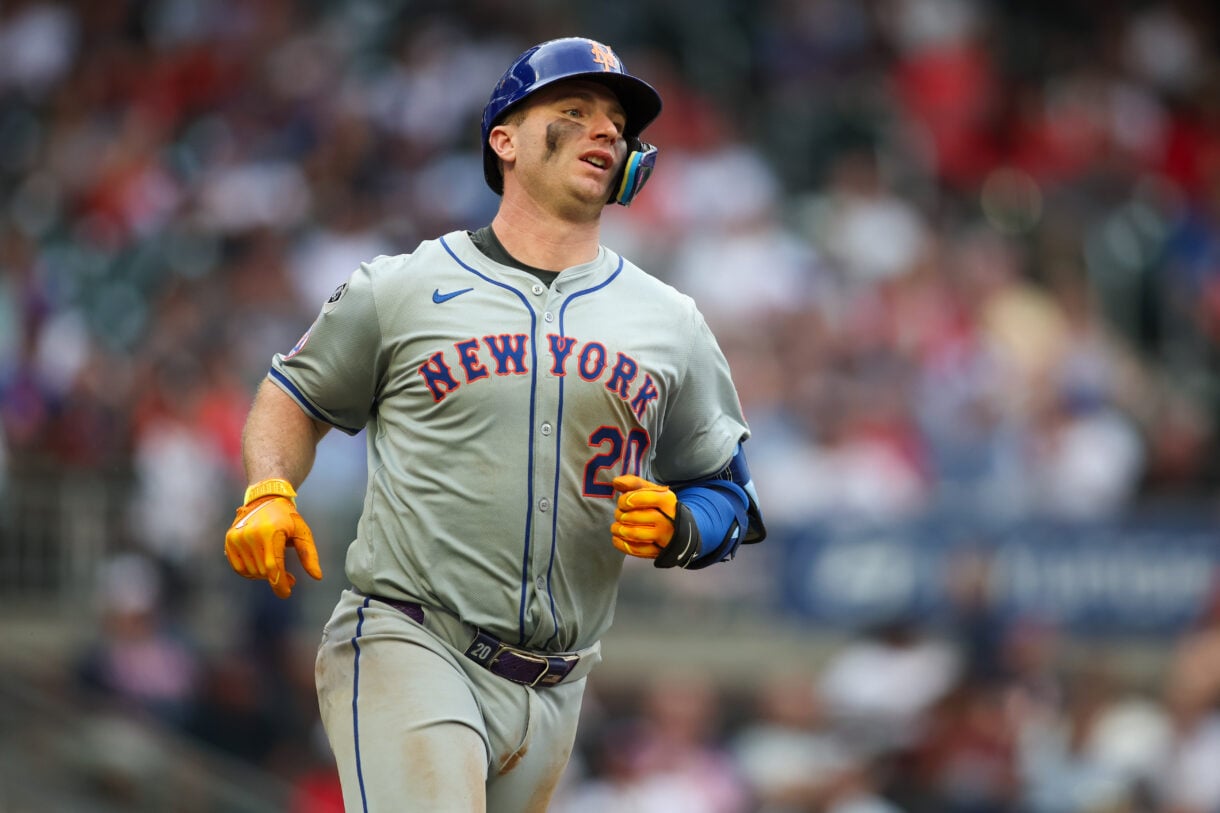
Alonso’s Goodbye Underscored What He Meant
His farewell message on Instagram carried the tone of someone who wasn’t ready to say goodbye but understood the math. It was heartfelt in a way that hits you harder once you realize he didn’t want to be anywhere else. Alonso wrote about the standards of New York, the ones that shape players and expose them in equal measure. He talked about the teammates and staff who pushed him, the passion of Mets fans, even the tough love that comes with performing in Queens. For a player who made a living sending baseballs into upper decks, the sentiment felt grounded and sincere.
He circled back to the moments that defined his connection with Citi Field. The rumble before a big at-bat. The way the crowd swelled as the pitch traveled. The split-second of silence before the eruption when the ball cleared the wall. Those are the scenes that turn a player into something more than a stat line. They made him Polar Bear, and they made him a fixture.
What Comes Next for the Mets
Now the Mets have to figure out life without that presence. First base isn’t just empty; it’s cavernous. Replacing Alonso’s production is one challenge, but the front office has made it clear they’re chasing a different kind of roster construction. They want someone who can hit and prevent runs, someone who fits a defensive model Alonso never checked. That’s the philosophical shift at play, and it’s fair to question whether the calculus is clean enough to justify losing the most consistent slugger the franchise has produced in decades.

The Mets can’t escape the reality of this transition. There’s no internal bat waiting to replicate Alonso’s power, and the free-agent and trade markets don’t offer many perfect matches. Maybe the front office has a larger plan. Maybe they’re betting heavily on flexibility and depth. But any solution now begins with the acknowledgment of the size of the void they chose to create.
For the first time in years, the New York Mets will open a season without Pete Alonso. That sentence alone says plenty about the pressure they’ve put on themselves to get the next move right.