
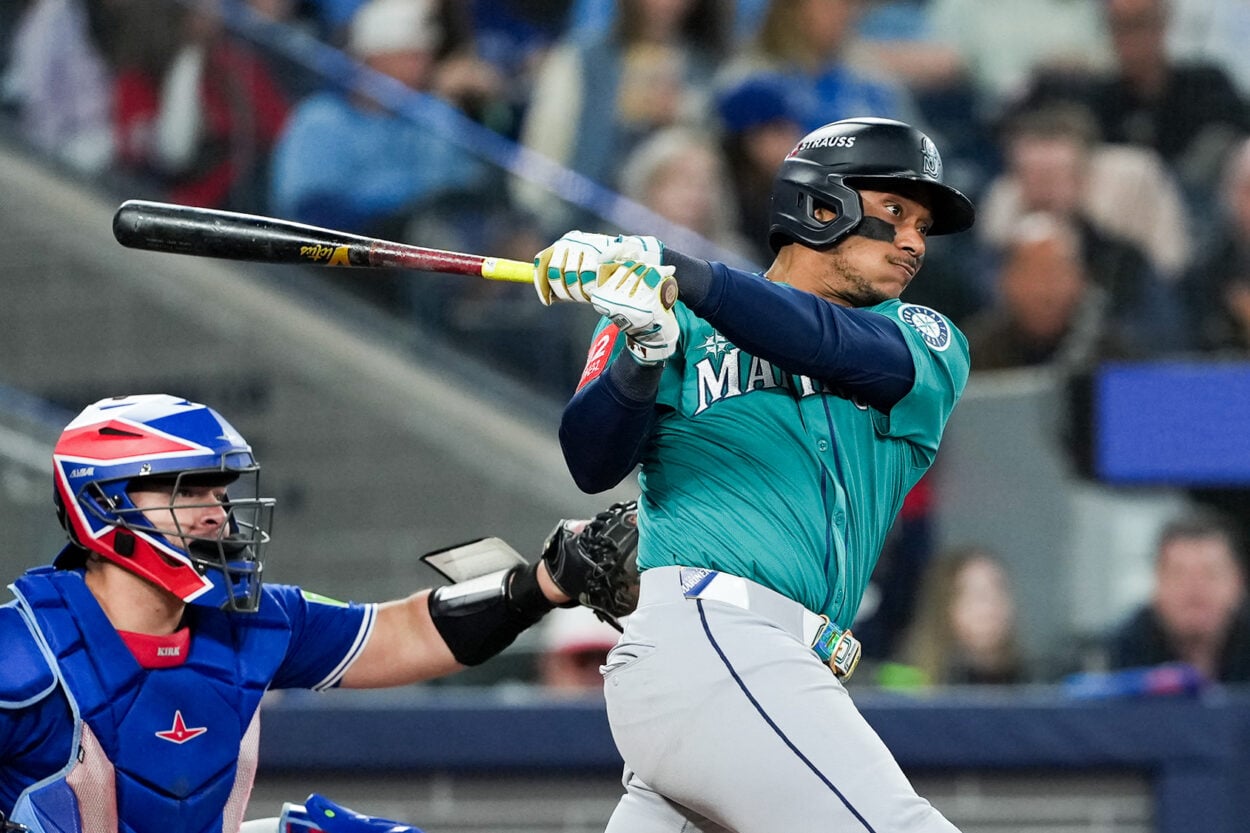
The New York Mets brought in Silver Slugger finalist Jorge Polanco on a hefty two-year deal worth $40 million to be the Pete Alonso replacement at first base. They also added a minor league pitcher, but lost Tyler Rogers to the Toronto Blue Jays.
Mets agree to terms with Jorge Polanco on a two-year deal
After days of stalled momentum and unanswered roster questions, the Mets finally made a move that brought some structure back into focus, agreeing to a two-year, $40 million deal with infielder Jorge Polanco. The signing doesn’t replace Pete Alonso’s presence or power outright, but it addresses a problem the team could no longer afford to leave unresolved: stabilizing the middle of the lineup with a reliable, everyday bat. Coming off a strong season in Seattle, Polanco gives the Mets a proven hitter rather than another experiment, signaling a preference for certainty over upside gambles in at least one critical spot.
Polanco’s value lies in consistency and flexibility. A switch-hitter without glaring platoon splits, he lengthens the lineup and provides protection for Francisco Lindor and Juan Soto rather than being asked to carry the offense himself. His offensive rebound in 2025 showed there is still life in the bat, even if expectations are calibrated well below Alonso’s peak production. The Mets are betting that steady, professional at-bats can offset some of what they lost when Alonso walked.
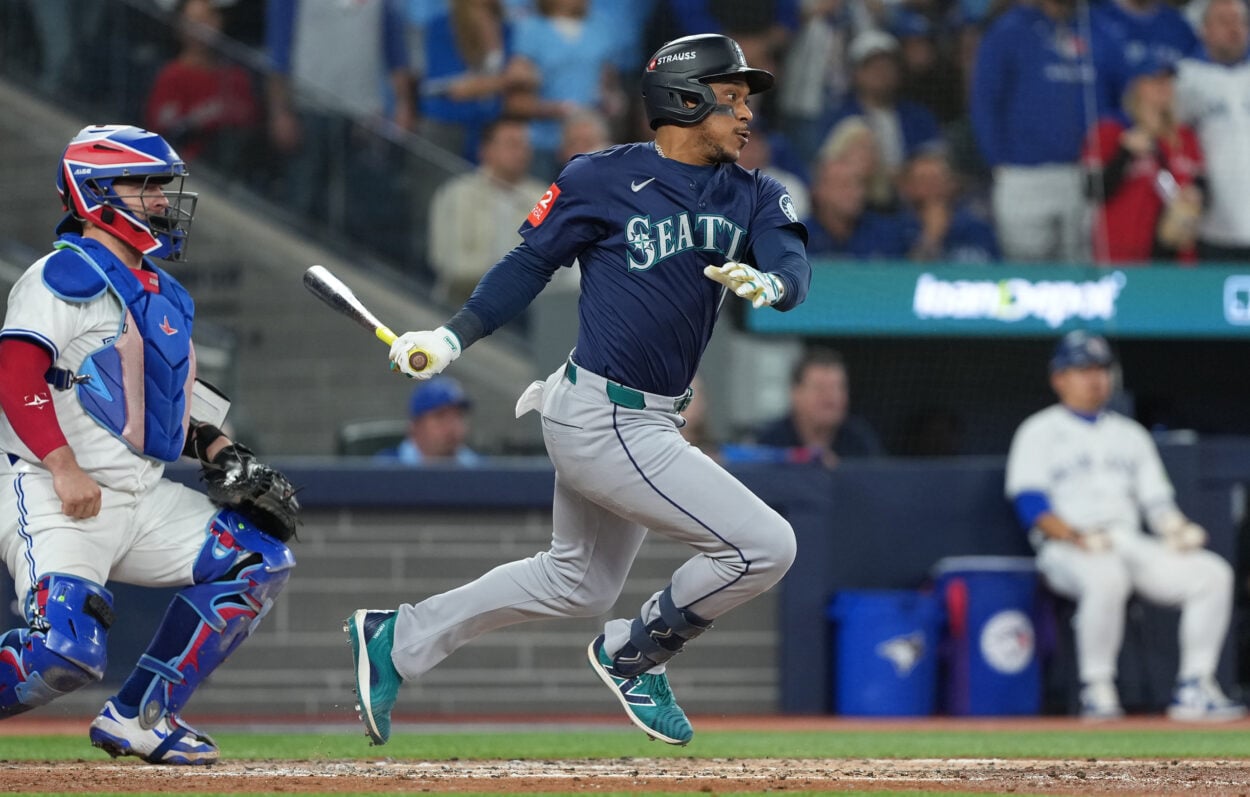
There are real defensive questions, particularly with Polanco expected to handle first base despite limited experience there. Still, the Mets appear comfortable prioritizing offense and adaptability, planning to mix in DH days and lean on his versatility across the infield. The move doesn’t redefine the offseason, but it draws a clear line between drift and direction. Sometimes progress is quiet, and for the Mets, this was a necessary first step forward.
The ‘Ground Ball Machine’: Mets add Daniel Duarte to MiLB deal
David Stearns continued his trademark approach of uncovering overlooked value by quietly signing right-hander Daniel Duarte to a minor league deal, a low-risk move that fits the Mets’ broader roster strategy. Duarte missed all of 2025 while recovering from an elbow injury, but the Mets are clearly intrigued by the velocity and effectiveness he showed before going down. In a brief four-inning stint with the Twins in 2024, Duarte posted a 2.25 ERA while averaging 96.2 mph on his fastball, reinforcing the idea that his raw stuff can play at the major-league level if he regains full health.
Beyond velocity, Duarte’s appeal lies in his ability to generate ground balls, a trait that makes him particularly useful depth in Triple-A Syracuse and beyond. The Mets are not counting on him for high-leverage roles, but rather viewing him as smart, inexpensive insurance for the inevitable bullpen wear and tear that hits over a long season.
Mets lose yet another potential target in free agency
What initially felt like a patient offseason for the Mets has quickly turned punishing, as one viable option after another slipped away. In rapid succession, Kyle Schwarber stayed in Philadelphia, Edwin Díaz landed with the Dodgers, and Pete Alonso left for Baltimore. Each decision carried logic, but together they painted a troubling picture: the market is moving fast, and hesitation is costly.
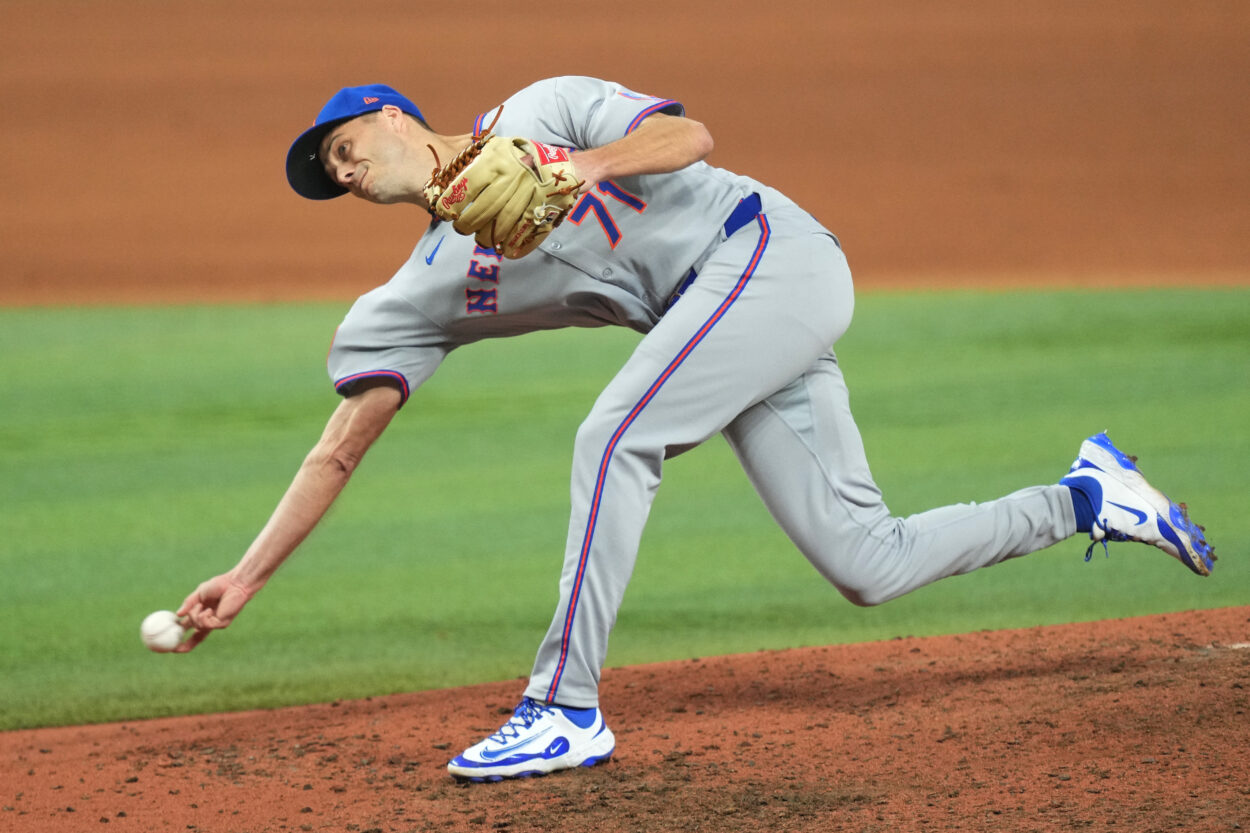
The loss of Tyler Rogers may have been the most revealing moment. The Mets knew exactly what Rogers brought—deception, ground balls, and reliability in high-leverage spots—and they wanted him back. Toronto simply outbid them, committing significant money to a reliever who doesn’t fit the traditional power profile. That deal underscored a broader truth: teams are paying premiums for results, not aesthetics, and waiting for bargains is no longer viable.
This stretch has narrowed the Mets’ margin for error. Power bats are scarcer. Bullpen depth is thinner. And every missed opportunity compounds the pressure to execute on the next one. The offseason isn’t over, but the tone has shifted. Interest and intent are no longer enough. For the Mets, conviction now matters more than patience, because the market has made it clear that hesitation gets punished quickly.