
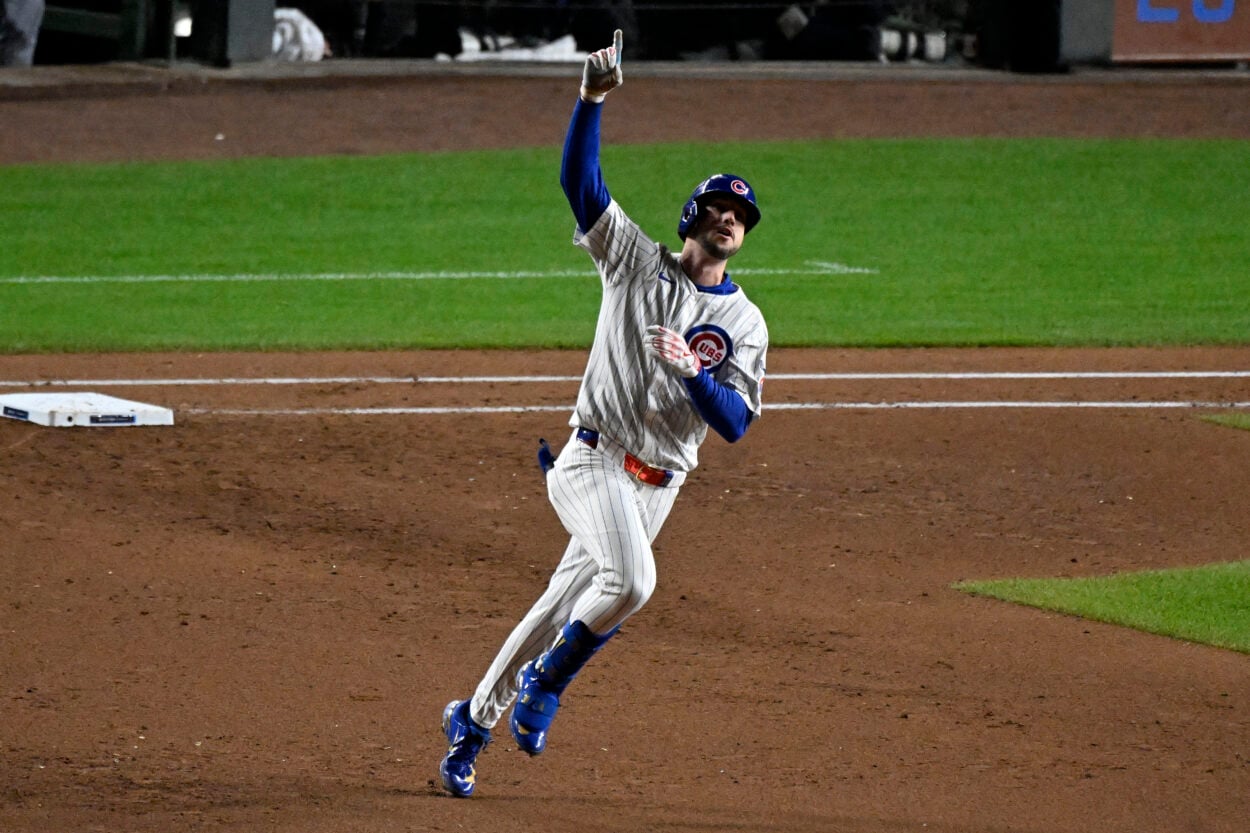
The New York Mets have a four-year, $200 million offer for Kyle Tucker on the table, but major issues stand in their way. First of all, the competition is stiff, with the Toronto Blue Jays reportedly offering a long-term deal that could possibly be as long as 10 years. Then, the upcoming CBA situation is looming, and Tucker might want to secure the bag before a potential lockout. The Mets remains in contention, though, with a decision expected this week.
The team is also pursuing starting pitching, and Freddy Peralta is on its radar. Let’s examine Thursday’s news!
The Mets have a four-year deal on the table for Kyle Tucker but a major problem stands in the way
The Mets have made their most aggressive push yet for Kyle Tucker, presenting a four-year offer built around a record-setting average annual value and multiple opt-out clauses.
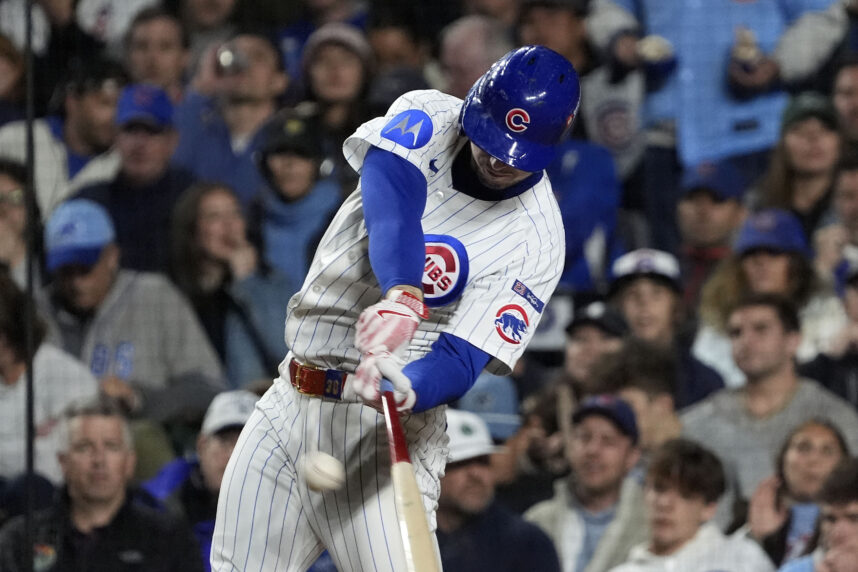
It’s a deal designed to maximize short-term impact while giving Tucker flexibility to re-enter the market, especially with a new CBA looming after next season. Steve Cohen’s willingness to stretch to a fourth year underscores how serious the Mets are about pairing a win-now roster with long-term financial agility.
Standing in the way is Toronto, which is offering what the Mets won’t: a 10-year guarantee. That contrast forces Tucker to choose between long-term security and the chance to reset the market on his own terms. With a decision potentially coming as soon as Thursday, the Mets have made their final pitch clear—and if it falls short, they’re prepared to pivot quickly to alternative upgrades via trade.
Mets’ big trade could lead them to acquire the Brewers’ ace
Boston’s signing of Ranger Suárez has tightened an already thin pitching market, pushing the Mets toward a crossroads. Framber Valdez remains the top free-agent arm available, but his expected price tag would require a hefty long-term commitment. As a result, David Stearns has turned attention to the trade market, where Milwaukee ace Freddy Peralta has emerged as a serious target.
Peralta offers elite swing-and-miss stuff, postseason upside, and only one year of team control—lowering financial risk but increasing the prospect cost. For the Mets, the choice is philosophical: spend big money to preserve the farm, or trade talent to keep payroll flexibility for pursuits like Tucker. With Stearns’ familiarity with Milwaukee’s system, the Mets are positioned to act decisively if the price aligns.
Mets sign Trey McGough to a two-year minor league deal
While headlines focus on stars, the Mets continue quietly stockpiling pitching depth, most recently with a two-year minor league deal for left-hander Trey McGough. It’s another low-risk move in a winter defined by volume and flexibility, adding to a growing list of arms meant to protect the roster from the inevitable grind of a long season.
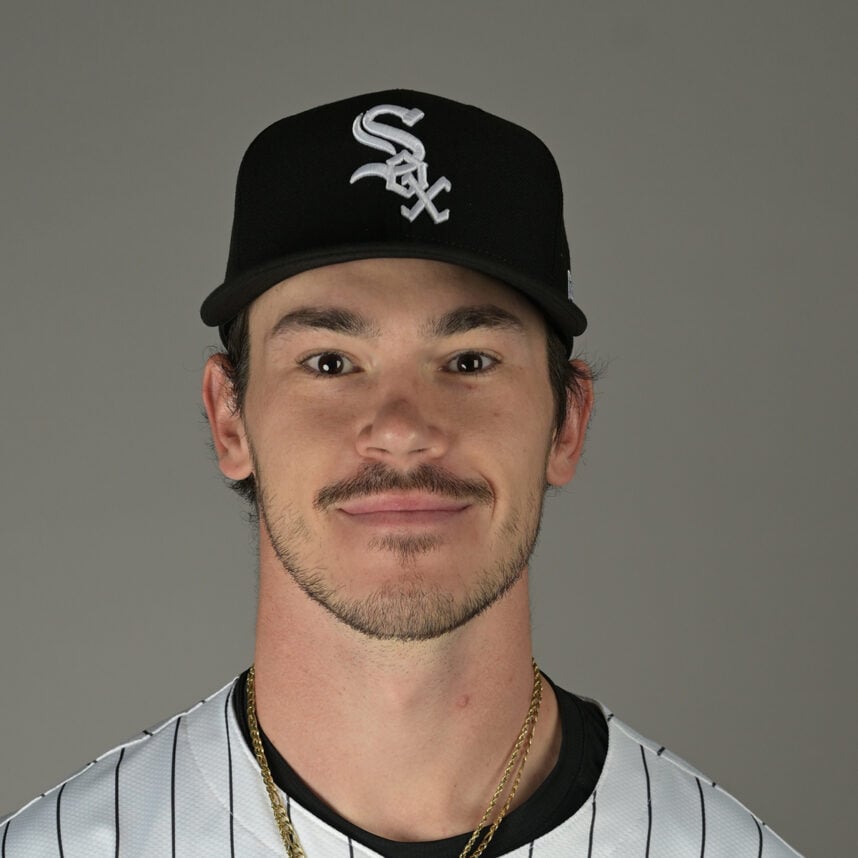
McGough’s path has been uneven—highlighted by a strong 2024 and a brief retirement in 2025—but that volatility is exactly why the cost is minimal. The Mets don’t need certainty from these signings; they need options. This steady accumulation reflects a front office betting that depth, patience, and evaluation will quietly pay off when injuries and attrition hit.