
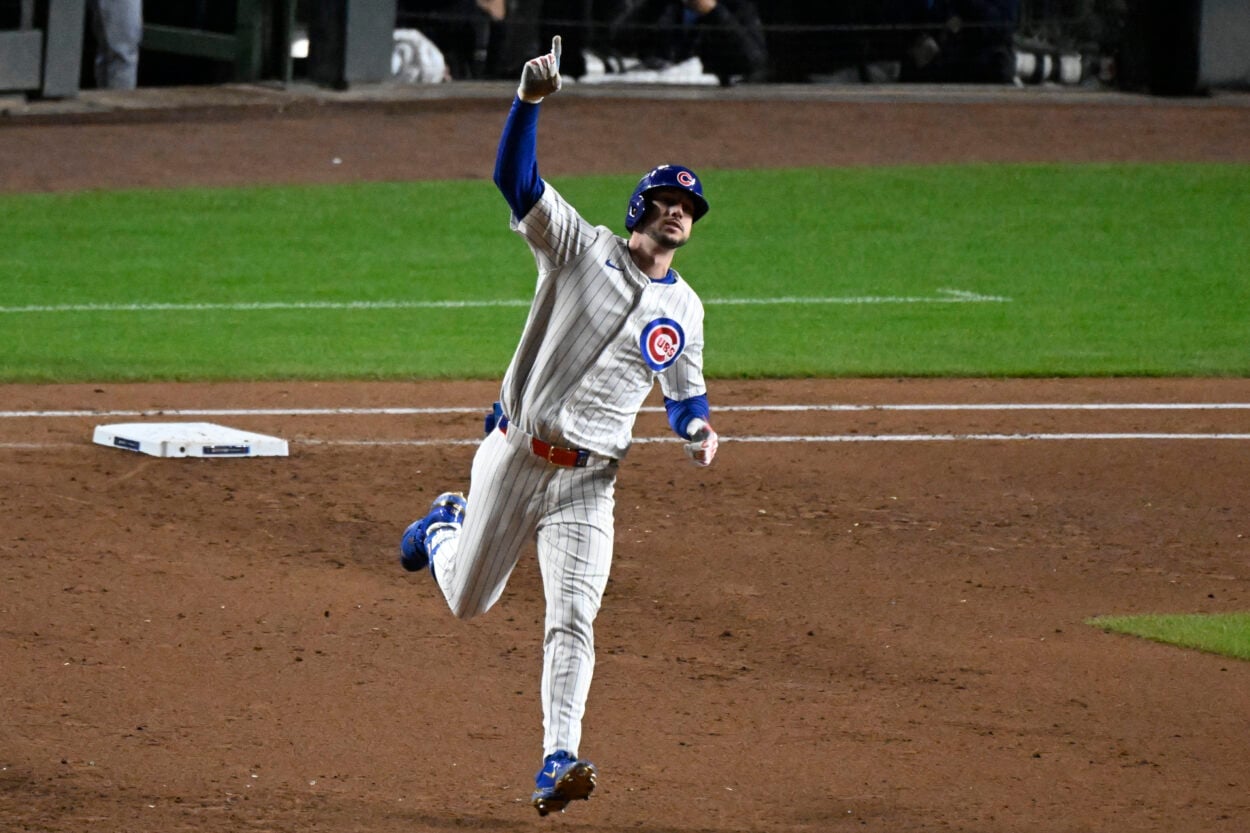
The New York Mets want Kyle Tucker. They also don’t want to dish out more 10-year commitments, and Tucker might require one. However, if they can offer a short-term deal with an inflated average annual value (AAV), they might have an outside chance. Meanwhile, the team added a pitcher on a minor league deal and keeps dreaming about Taril Skubal.
Can the Mets convince Kyle Tucker to sign a high-AAV, short-term deal?
The Mets’ outfield problem is no longer theoretical—it’s structural. With Juan Soto locked in as the lone proven everyday presence, the depth behind him has thinned dramatically, leaving the club short on both reliability and upside. This isn’t a roster that needs patchwork; it needs transformation.
That’s where Kyle Tucker enters the conversation. Pairing Tucker with Soto would instantly reshape the lineup and restore balance to an outfield that currently feels fragile. Even in a so-called down season, Tucker’s elite offensive profile, plate discipline, and athleticism underline why the Mets view him as more than just another target.
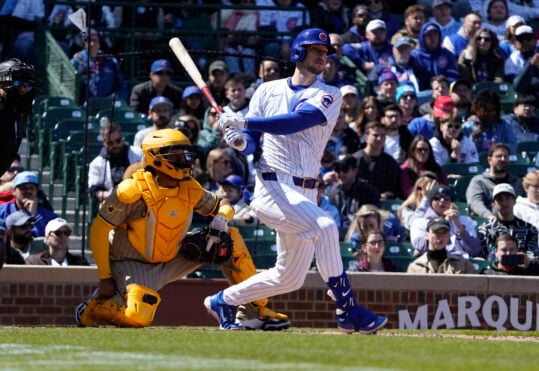
The obstacle is contractual philosophy. The Mets have drawn a hard line against long-term deals, preferring flexibility over decade-long commitments—even at the cost of losing stars. Tucker’s market leans heavily toward length, but the Mets are hoping patience and creativity can tilt negotiations toward a short, high-AAV deal loaded with opt-outs. As long-term offers stall elsewhere, New York is betting that waiting could turn risk into leverage.
Mets sign Jun-Seok Shim to minor league deal
The Mets’ signing of Jun-Seok Shim won’t dominate headlines, but it reveals a clear organizational strategy: accumulate arm talent and let time do the sorting. Shim, a 21-year-old right-hander, comes with almost no professional track record due to repeated injuries, but the underlying tools that once made him a coveted international prospect remain intriguing. In extremely limited action, he showed an ability to miss bats, hinting at upside that was never fully explored.
Before injuries derailed his development, Shim featured a mid-to-upper-90s fastball, a true power curve, and the makings of a complete starter’s arsenal. The Mets aren’t asking for immediate returns. They’re offering the opportunity to accumulate innings, high-tech resources, and patience—exactly what a pitcher like Shim needs. For a team quietly rebuilding pitching depth, this is a low-cost gamble with asymmetric upside.
Why the Mets are secretly still alive in the Tarik Skubal sweepstakes
The Mets remain on the fringes of the Tarik Skubal market, fully aware that opportunities to acquire the game’s best pitcher are rare and franchise-altering. Detroit hasn’t committed to moving Skubal, but their willingness to listen suggests uncertainty about a long-term extension and an openness to cashing in at peak value. If the Tigers choose to pivot toward a rebuild, the Mets want to be ready.
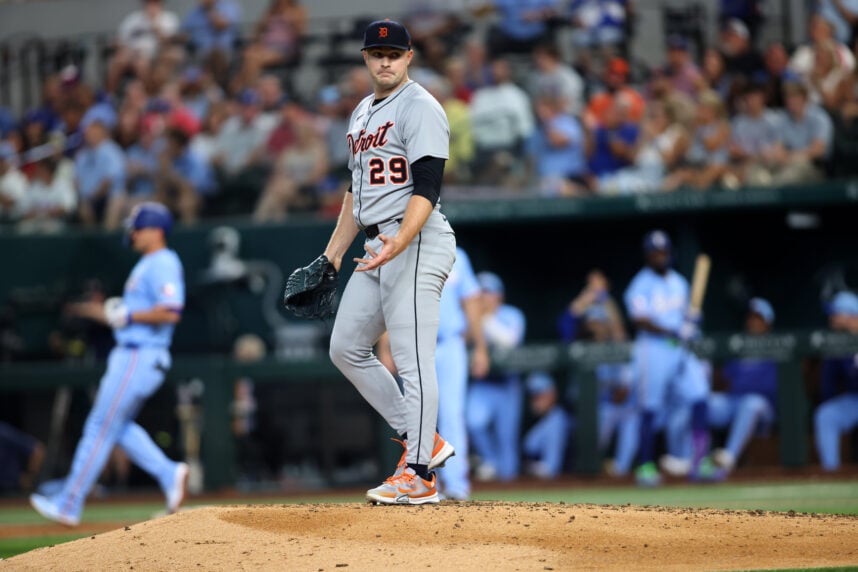
Any deal would come at a steep cost, likely headlined by top prospect Jonah Tong. Nolan McLean, however, remains close to untouchable as the Mets envision a future rotation where McLean and Skubal coexist rather than replace one another. The upside is enormous: a dominant ace leading a rotation already rich in upside and depth. It’s a long shot—but one that could instantly elevate the Mets from contenders to favorites.