

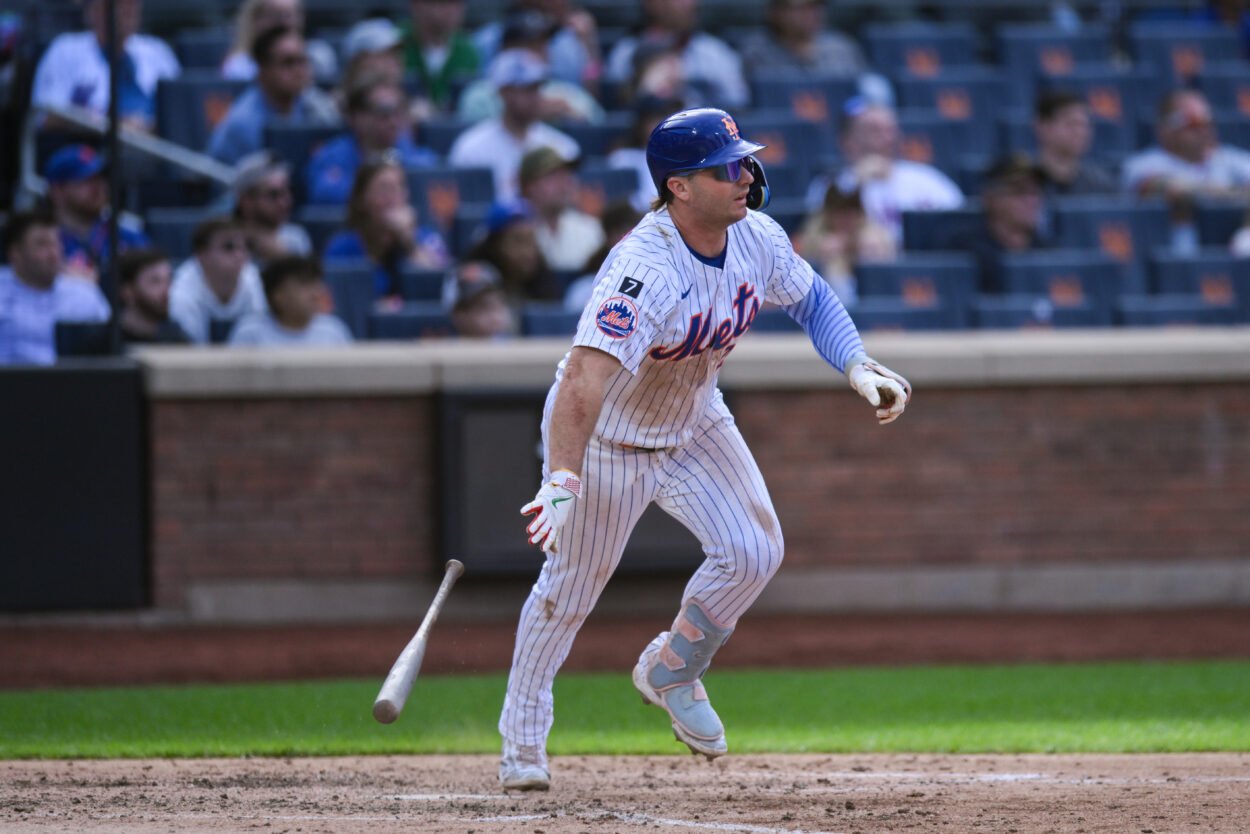
Being labeled the “biggest loser” of the offseason by ESPN usually stings, but for the Mets, it feels more like a premature obituary for a team that is still very much in the operating room. Losing franchise cornerstones like Pete Alonso and Edwin Díaz in the span of three days is undeniably painful, stripping the roster of its homegrown identity and emotional core.
However, judging David Stearns’ offseason before the ink is dry on the next contract is a fool’s errand, especially when you look at the financial flexibility these departures have suddenly created.
The narrative that the Mets have “gotten worse” ignores the calculated pivot toward sustainability and depth over top-heavy stardom. While the loss of Alonso is another gut punch for the Mets as the Orioles agreed to a five-year contract, it frees up $30 million annually to diversify a roster that had too many holes to plug with just one slugger.
Stearns is betting that spreading that wealth across three or four contributors is a smarter play than handing a blank check to a first baseman on the wrong side of thirty.
The Marcus Semien Gamble: Trading Personality for Pedigree
The decision to swap fan-favorite Brandon Nimmo for Marcus Semien is the most polarizing move of the winter, trading a known commodity in the outfield for a veteran presence at second base. Semien is coming off a 2025 campaign that saw massive offensive regression, with his batting average dipping into the .230s, but his Gold Glove acumen remains elite.
The Mets are banking on a bounce-back year from the veteran, believing that his leadership and defensive stability up the middle are worth the cost of Nimmo’s on-base percentage.
This trade creates a glaring vacancy in the outfield, but it solves a second base issue that has plagued the team since the Daniel Murphy days. Stearns clearly values up-the-middle defense, and Semien fits that mold perfectly despite his aging bat. The challenge now is replacing the offensive production lost in the trade, because you cannot subtract Nimmo and Alonso from the lineup without bringing in a legitimate thump to replace them.
Rebuilding the Bullpen by Committee
Replacing the electric Edwin Díaz with Devin Williams might look like a downgrade on paper, but it represents a philosophical shift in how the Mets are building their relief corps. Williams, signed to a reasonable three-year, $51 million deal, offers high-upside dominance without the crippling ten-year commitment the Dodgers just made to Díaz.
The strategy seems to be acquiring two “good” arms rather than one “great” one, which explains the strong links to veteran flamethrower Robert Suarez.
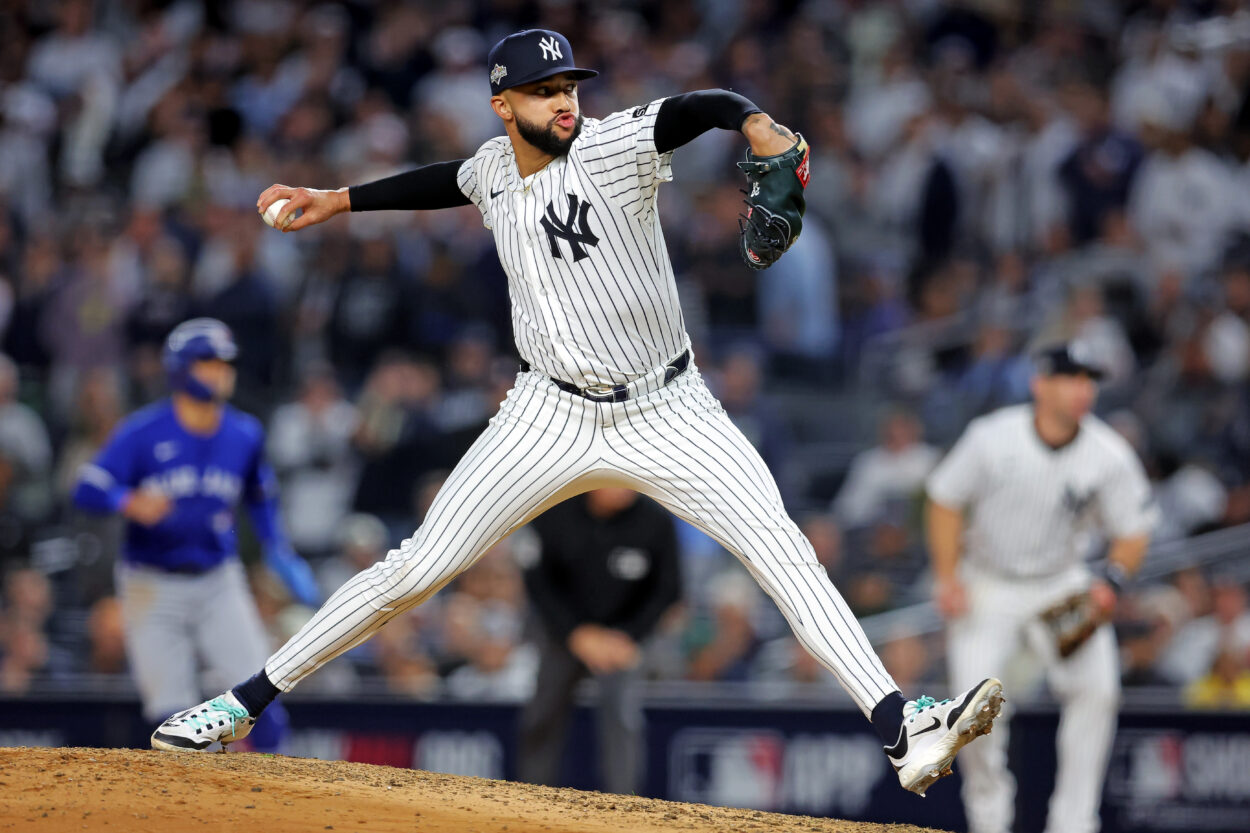
Adding a 34-year-old Suarez, who fits the short-term window perfectly, would give manager Carlos Mendoza a devastating backend duo capable of shortening games effectively. By reallocating the money saved on Díaz, the Mets can build a bullpen that is deeper and more resilient to injury. It isn’t as flashy as the trumpets, but it might be more effective over a 162-game grind.
Looking Ahead: The Pivot to Cody Bellinger is Mandatory
The Mets cannot close the checkbook now; in fact, the pressure to spend has never been higher. With Alonso gone and an outfield spot open, the Mets could deal a final blow to the Yankees by hijacking another star in free agency: Cody Bellinger. Bellinger is the perfect skeleton key for this roster, offering Gold Glove defense in the outfield and a reliable safety net at first base if the internal options falter.
Stearns has cleared the deck and reset the payroll, but now he has to bring in the talent to justify the heartache. If the Mets pivot to Bellinger and add another high-leverage arm, the “biggest loser” label will fade quickly. But if they stop here, they are rightfully inviting a riot in Queens.