
The clock is already loud if you know where to listen. Six weeks until spring training, and the New York Mets are staring at an outfield depth chart that feels more like a placeholder than a plan.
Juan Soto is the one constant, planted firmly in right field and in the middle of everything the Mets want to be offensively. Beyond that, the picture blurs fast. Tyrone Taylor and Carson Benge sit near the top of the chart right now, not because the Mets envision that trio as finished product, but because someone has to be listed there.
That reality did not happen by accident. It was the result of a winter that tore the outfield down to its studs.
A Clean Break, Whether It Felt Like One or Not
The Mets moved Brandon Nimmo and Jeff McNeil, designated Jose Siri for assignment, and watched Cedric Mullins walk in free agency. That is not retooling around the edges. That is a full-on reset, and it left the organization with exactly one proven star in the grass.
This kind of turnover forces clarity. The Mets cannot pretend internal options will organically fill the void. They need impact, not just competence, and ideally someone who changes how opposing teams pitch and position.
That is where Kyle Tucker enters the conversation.
Why Kyle Tucker Keeps Coming Up
According to Jon Heyman, the Mets have checked in on Tucker. Mark Feinsand went a step further, reporting that the Mets can’t be counted out despite an expected price tag north of $350 million.
“The Mets can’t be counted out on Kyle Tucker, given their need for outfield help and their general willingness to spend big when they feel it’s appropriate, says Mark Feinsand,” Mets Batflip posted on X.
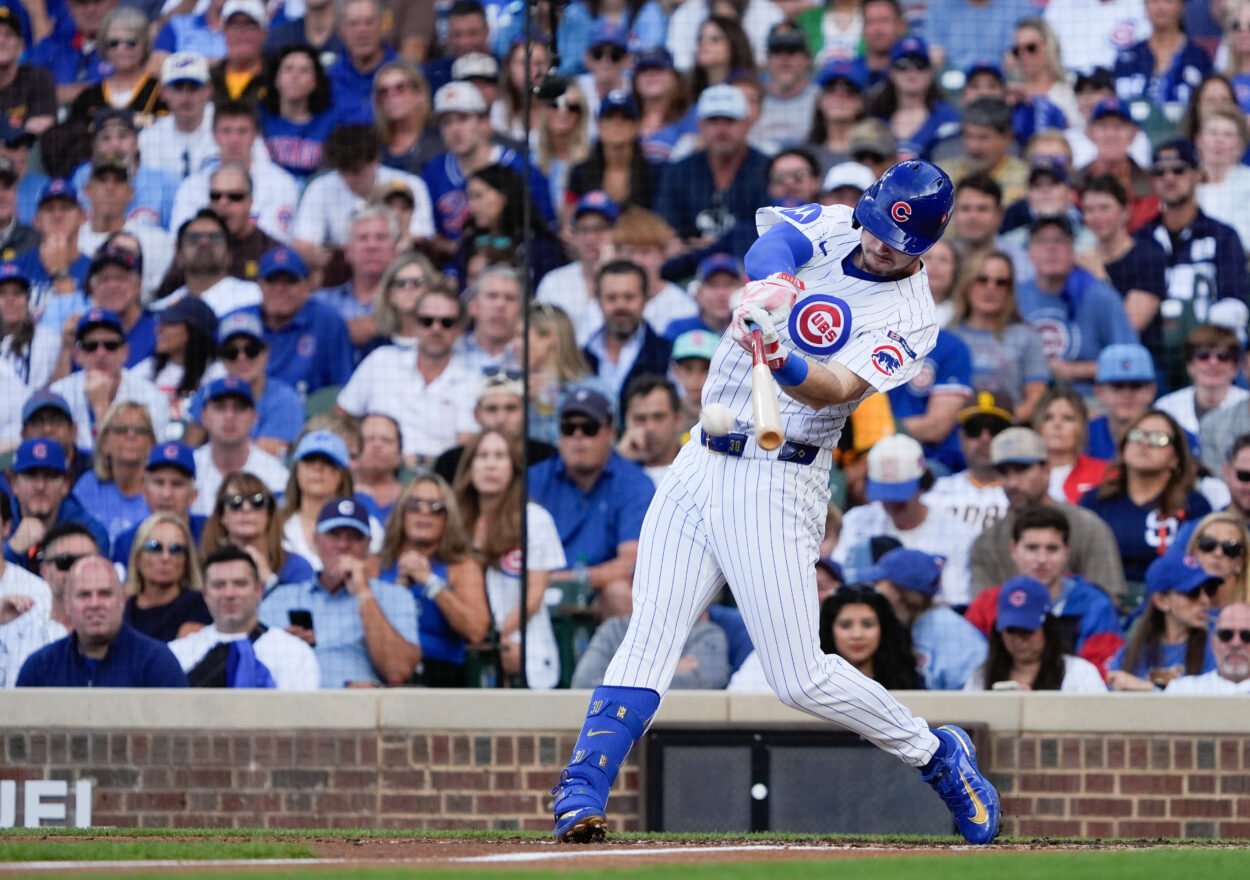
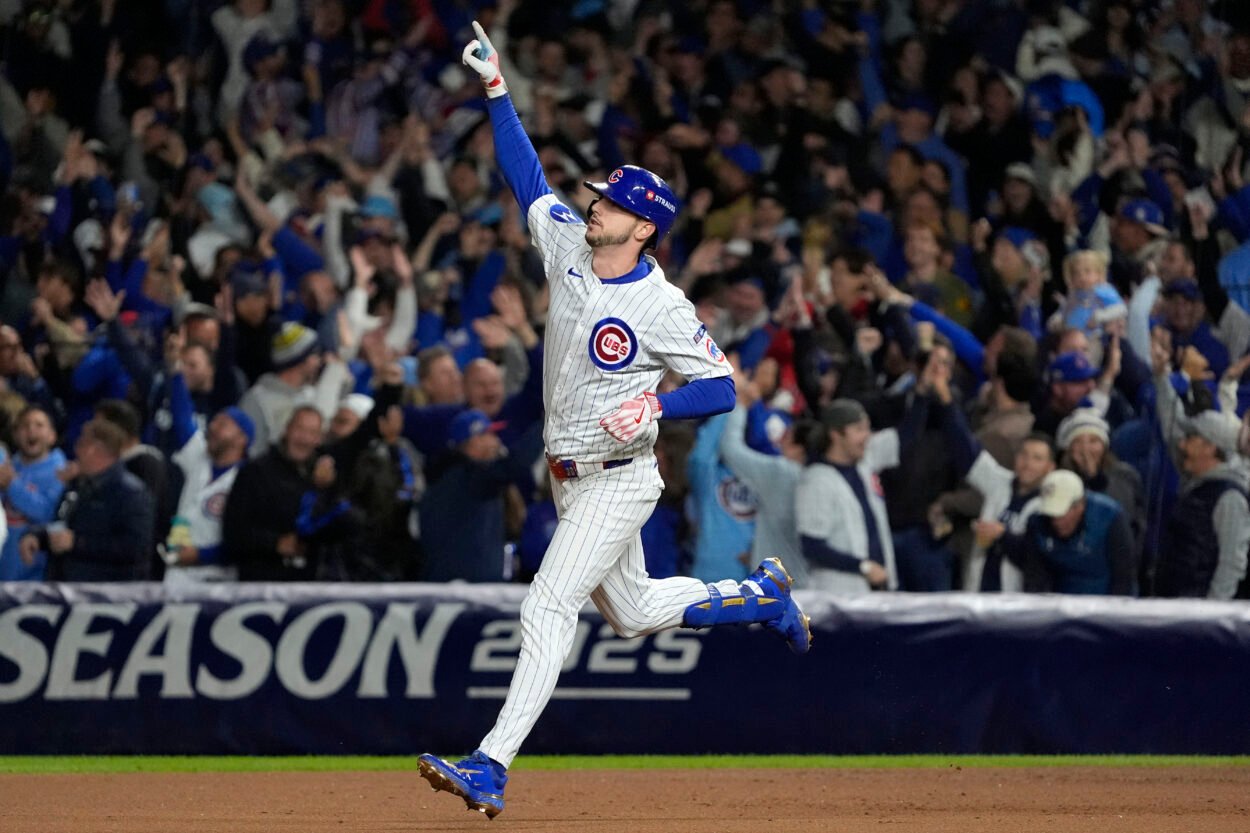
The connection makes sense on every level that matters. Tucker plays premium outfield defense, hits from the left side, and produces across the board. Even in what some labeled a down year with the Cubs, he posted a 136 wRC+, hit 22 home runs, stole 25 bases, scored 91 runs, and finished with 4.5 fWAR.
Those numbers are not theoretical upside. They are a baseline. And outside of Soto, no current Mets outfielder comes close to that level of all-around production.
Tucker does not just plug a hole. He reshapes the lineup and stabilizes the defense in one move.
The Money Is Real, But So Is the Precedent
The Mets can afford Tucker. That part is not up for debate. Feinsand made that clear, and recent history backs it up. The real question is whether the Mets view him as essential rather than merely attractive.
They crossed that line once already with Soto. When the Mets believed Soto was foundational, they did not wait for the market to settle or for comfort to set in. They went and got him.
Tucker would require the same mindset. A $350 to $400 million commitment is not a hedge. It is a declaration of direction, especially coming so soon after the Soto deal.
That does not mean it is reckless. It means the Mets believe elite outfield talent is non-negotiable if they want to contend deep into October.
What This Decision Says About the Mets
Adding Tucker would tell the rest of baseball that the Mets are done with half-measures in the outfield. It would signal that the chaos of the past offseason was not aimless but preparatory.
Passing, on the other hand, would suggest the Mets are comfortable spreading risk across multiple lesser additions and trusting development to close the gap. That path is cheaper and quieter, but also far less certain.
With spring training approaching, silence becomes its own answer. The Mets have shown they will act when they feel conviction. They did it with Soto.
Now the question hangs in the air. Is Kyle Tucker the next name they decide they cannot live without, or the one that proves there is still a limit, even for this version of the New York Mets?