
The Mets are currently operating in a unique and uncomfortable paradox.
On one hand, they possess the financial might to outspend any team in baseball, a luxury that usually signals a “win-now” mandate.
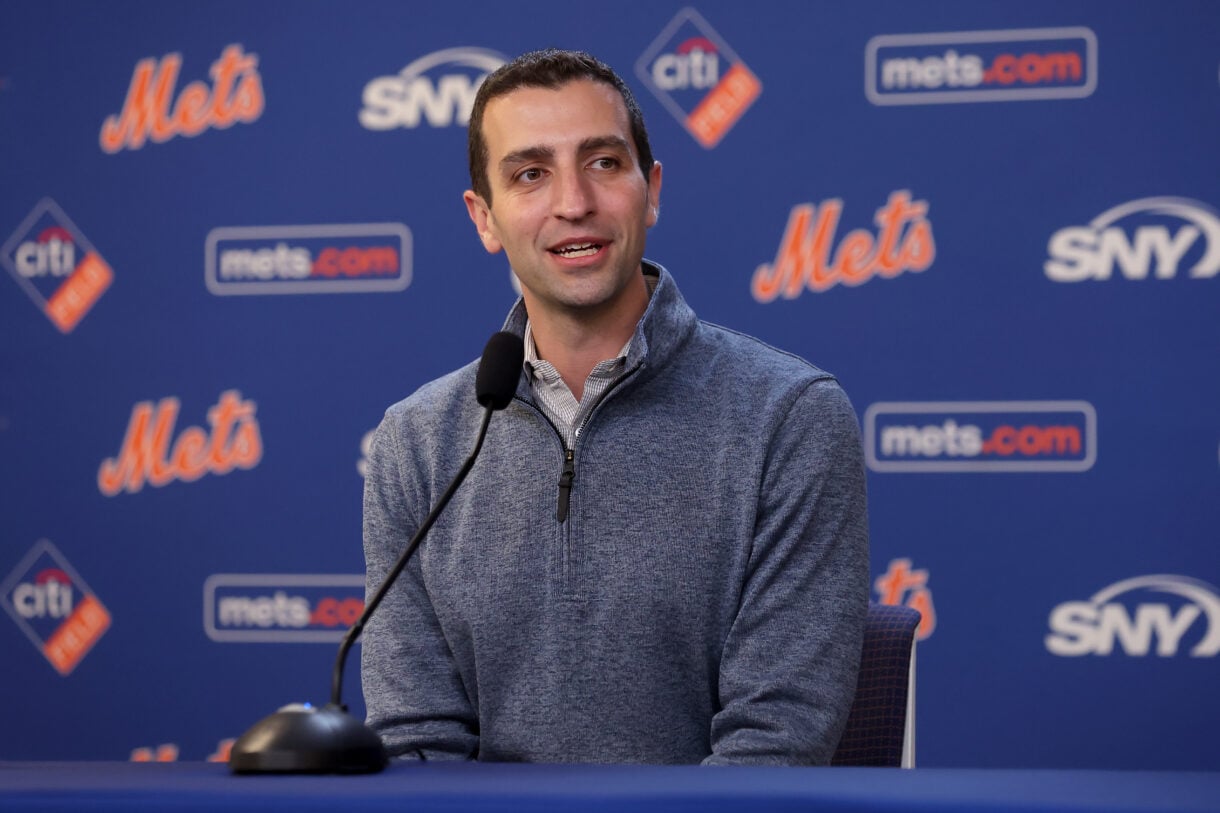
On the other, they have aggressively dismantled the core of their roster, shedding franchise staples like Brandon Nimmo and Jeff McNeil while watching homegrown superstar Pete Alonso walk out the door. This duality—trying to strategically rebuild while simultaneously fielding a competitive, expensive roster—has placed President of Baseball Operations David Stearns directly in the crosshairs of New York’s unforgiving spotlight.
A Roster in Flux
The turnover in Queens has been nothing short of jarring. Gone is the familiarity of the old guard, and in its place is a collection of high-upside veterans and expensive relievers. The front office acted quickly to stabilize the infield, acquiring Marcus Semien to lock down second base and signing Jorge Polanco to provide flexibility at DH and first base. In fact, despite the roster churn, this Mets newcomer duo is projected to clear 20 homers each, offering a glimmer of hope that the offense can still pack a punch.
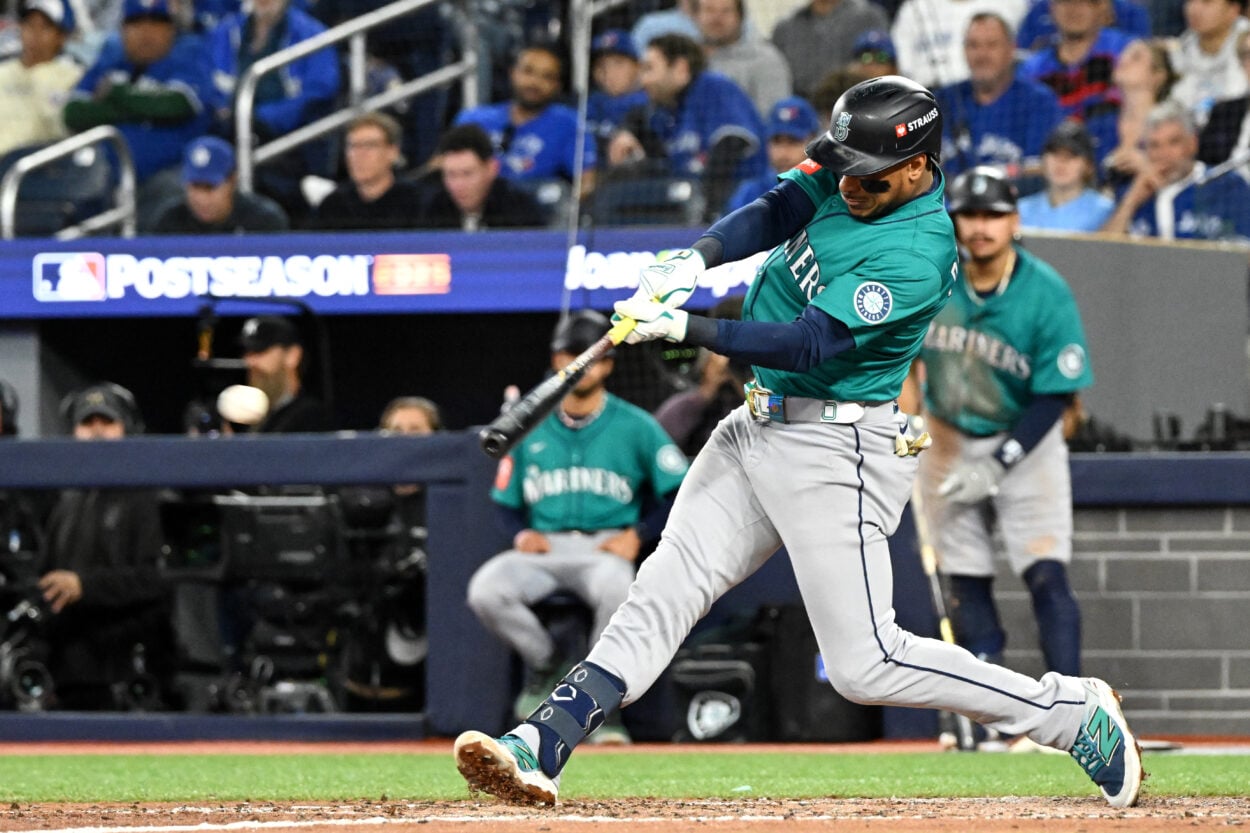
The bullpen also received a massive facelift with the additions of Devin Williams and Luke Weaver, but these arrivals came at the cost of losing elite closer Edwin Diaz to the Los Angeles Dodgers. The net result is a team that feels incomplete. They currently lack a true centerfielder, need significantly more support at first base to replace Alonso’s production, and are desperate for another frontline starting pitcher to anchor the rotation.
The algorithm hides the best New York Mets news; make sure you pin Empire Sports Media on Google News so you don’t miss a beat.
The Weight of Expectation
The sheer volume of needs remaining on the checklist has ramped up the anxiety surrounding the team. It is one thing to rebuild; it is another to do so while carrying a massive payroll and charging premium ticket prices. MLB insider Ken Rosenthal highlighted this tension on the December 26 episode of the Fair Territory podcast, noting that Stearns does not have the luxury of a grace period.
“The Mets, because they’ve deconstructed, they are under a great deal of pressure,” said Rosenthal. “President of baseball operations David Stearns is under a great deal of pressure to show he can win with this kind of payroll. He did it in Milwaukee, but he hasn’t done it in the way the Mets have wanted so far.”
Scrambling to Fill the Gaps
Stearns is now in a race against time to plug the remaining holes without compromising his long-term vision. At first base, relying solely on Polanco and Mark Vientos is a risk, which is exactly why the Mets signing Paul Goldschmidt could be a genius move to provide a low-cost, high-reward platoon partner.
On the pitching front, the pressure to add an ace has led the team to explore every avenue, including volatile veterans. However, the Mets meeting with Framber Valdez signals a potential free agency trap, proving that spending money just for the sake of it can be dangerous. Stearns has to navigate these landmines perfectly; if he spends big and misses, the “rebuild” will fail, but if he sits on his hands, the “competitive” window will slam shut before the season even begins.