
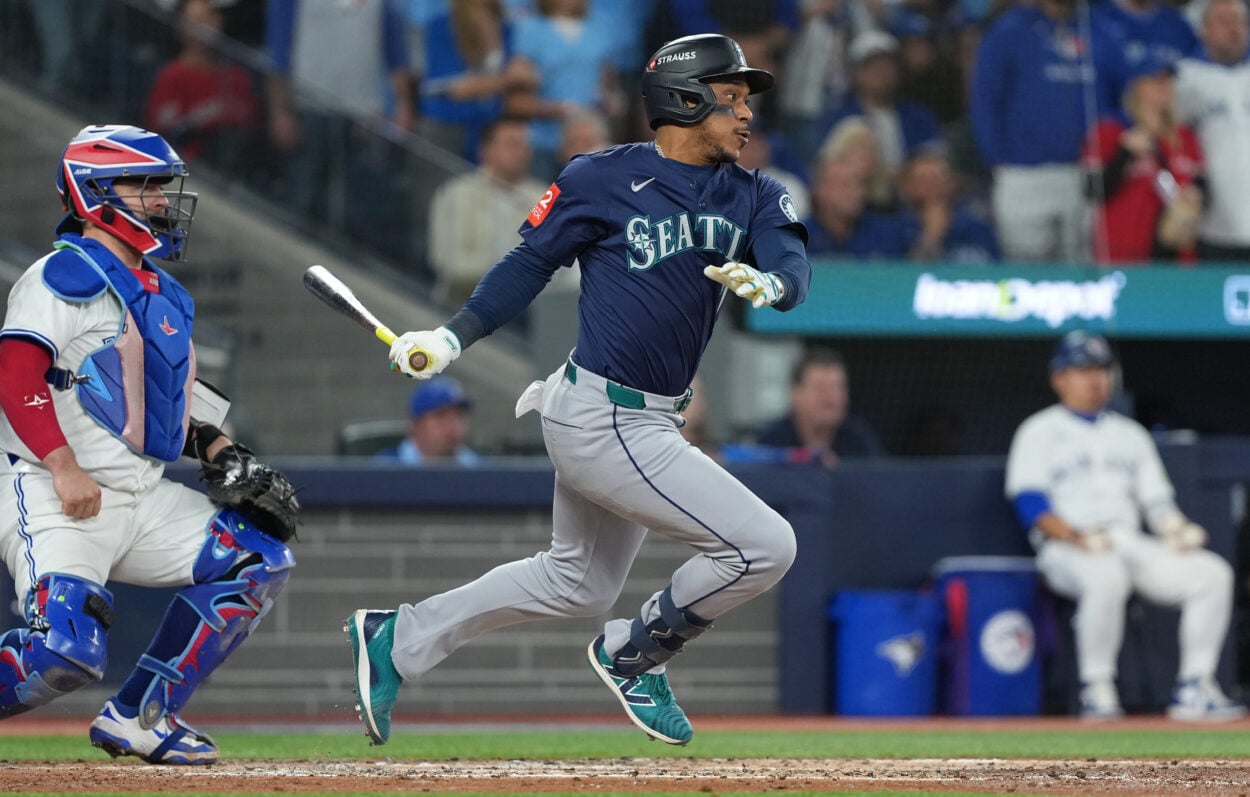
The week had started to feel familiar in the wrong ways. Missed opportunities. Negotiations that never quite got off the ground. A roster with obvious holes and not much movement to fill them. Then, early Saturday morning, the New York Mets finally broke the silence, agreeing to terms with infielder Jorge Polanco, a move that doesn’t solve everything but does bring clarity to one of the team’s most pressing questions.
According to Will Sammon of The Athletic, Polanco will sign a two-year, $40 million deal after coming off a strong season with the Seattle Mariners. It was the kind of addition the Mets badly needed. Not a splash designed to dominate headlines, but a calculated move aimed at stabilizing a lineup that lost its emotional and statistical anchor at first base when Pete Alonso walked away.
A Calculated Response to a Lingering Problem
First base became an unresolved issue the moment Alonso’s future drifted into uncertainty. The Mets could not afford to treat it like a temporary inconvenience. They needed someone who could hit, who could handle everyday at-bats, and who would not collapse under the expectations that come with replacing a franchise icon.
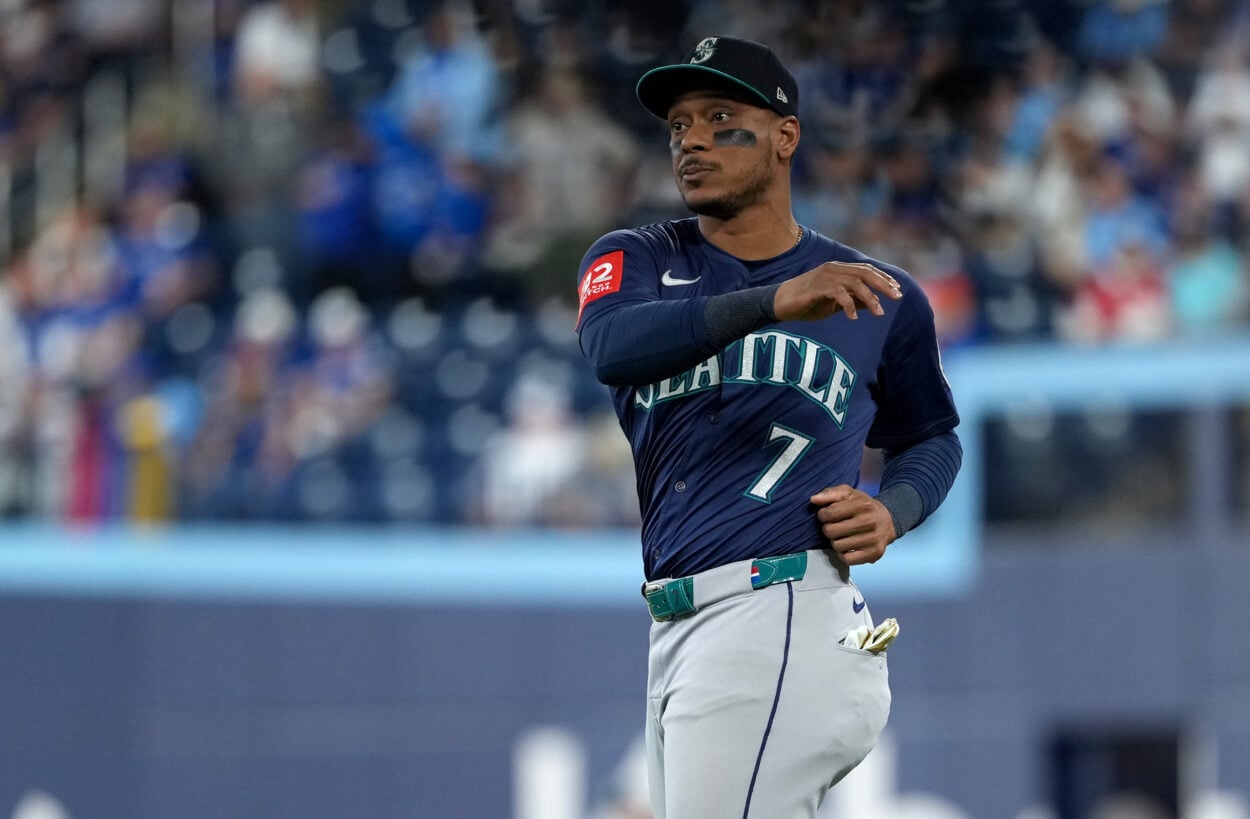
Polanco checks enough of those boxes to make the bet reasonable. At 32 years old, he is still firmly in his prime, and his 2025 season backed that up. He finished as a Silver Slugger finalist at second base, posting a 132 wRC+, 26 home runs, and 78 RBI. His 2.6 fWAR marked his best output since his 4.0 season back in 2021, a reminder that there is still real upside in the bat.
The Mets did not need another reclamation project. They needed a hitter who could step into the middle of the order and be productive immediately. Polanco fits that description better than most of the alternatives they were staring at earlier in the week, even if the price is steep.
Not Alonso, But Not Asked to Be
Replacing Alonso outright was never realistic. Few hitters in baseball bring that combination of power, durability, and identity. The Mets seem to understand that, and this signing reflects it.
Polanco is not expected to carry the offense on his own. He is expected to contribute, consistently. As a switch-hitter without dramatic platoon splits, he offers lineup flexibility that the Mets have quietly valued for years. He lengthens the order. He gives Francisco Lindor and Juan Soto protection. He makes it harder for opposing managers to navigate late innings.
If Polanco finds anything close to his 2025 form again, the Mets will gladly take it. They do not need 40 home runs. They need quality at-bats, professional plate appearances, and production that does not disappear for weeks at a time.
Defensive Questions and Positional Reality
There is no avoiding the awkward part of this signing. First base is the infield position where Polanco has the least major league experience. That matters. The Mets are asking him to learn on the fly at a position that demands footwork, instincts, and chemistry with infielders.
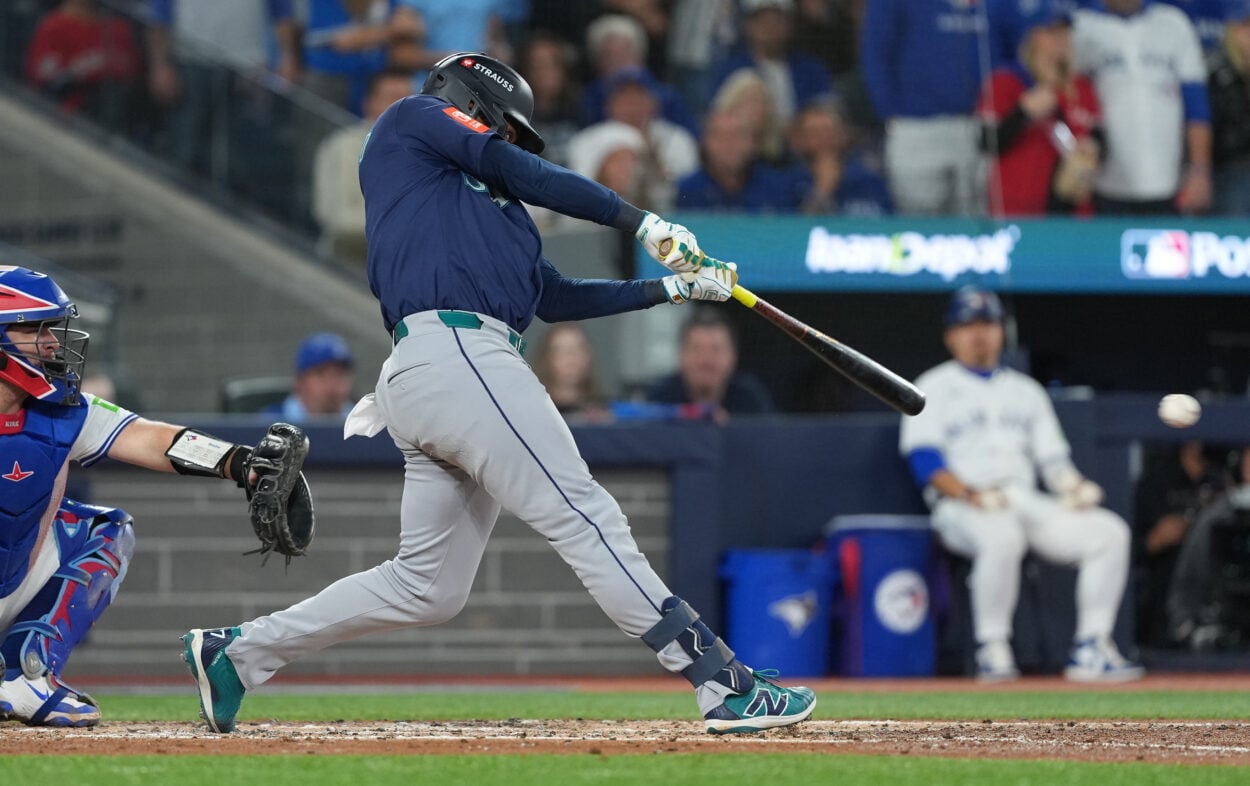
Still, this is not a reckless gamble. Polanco has logged time at second, third, and shortstop, and that versatility is part of the appeal. With Brett Baty at third, Lindor locked in at shortstop, and Marcus Semien entrenched at second, the Mets see Polanco as a primary first baseman who can float elsewhere when needed. Sammon reports he will also see time at DH, easing the defensive burden.
He will not win a Gold Glove anywhere. But first base offers a softer landing than the middle infield, and the Mets appear confident he can be serviceable with repetition.
What This Means for the Mets Moving Forward
This signing does not erase a rough week. It does not suddenly turn the Mets into an offseason winner. But it does signal intent. It shows the front office understood the urgency and acted before the roster drifted further into uncertainty.
Polanco gives the Mets a bridge. A capable hitter. A professional presence. A player who can help stabilize a lineup still recalibrating after losing Alonso. If he gives them anything close to his 2025 production, this deal will age well.
Sometimes progress does not arrive with fireworks. Sometimes it shows up quietly on a Saturday morning, filling a hole that had been staring everyone in the face. For the New York Mets, that might be enough to finally start moving forward again.