
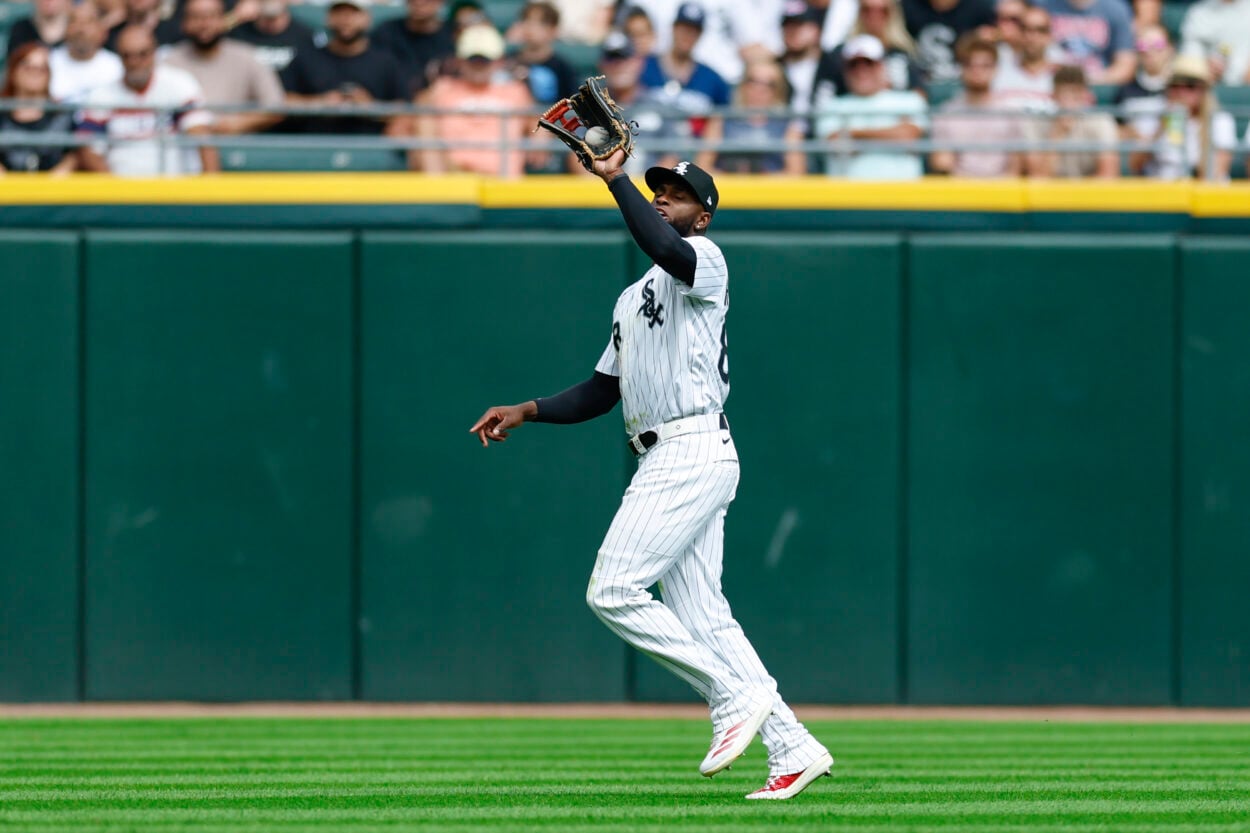
A mantra only matters if the roster backs it up.
For the New York Mets, “run prevention” has not just been an offseason slogan whispered into microphones. It has become a guiding principle that shaped real, sometimes uncomfortable decisions. The front office did not chase vibes or nostalgia. They chased gloves, range, and reliability. And when the dust settled late Tuesday night, the Mets had quietly built something that looks intentional.
Run prevention is a simple phrase that hides a lot of complexity. It is pitching, yes, but it is also positioning, athleticism, footwork, instincts, and the confidence to let balls be put in play. The Mets understood that executing it requires more than saying it.
They went and got the players who live it.

Rebuilding the Spine of the Defense
The most noticeable shift came up the middle. Luis Robert Jr. was brought in for Luisangel Acuna and a pitching prospect, a move that signaled a clear preference for certainty over projection. The Mets replaced declining defenders with players whose reputations are built on consistency, if we also consider the earlier acquisition of Marcus Semien.
That matters.
Defense up the middle stabilizes everything else. It shortens innings. It turns stressful counts into outs. It gives pitchers the freedom to challenge hitters instead of nibbling. The Mets now look built for that kind of baseball.
Francisco Lindor remains the emotional and defensive anchor at shortstop. A two-time Gold Glove winner, Lindor posted five Outs Above Average last season and continues to set the tone nightly. He is still the guy teammates follow without thinking twice, the one who makes the routine play feel inevitable.
Semien slides in alongside him as both a leader and a stabilizer. Acquired from Texas, Semien brings two Gold Gloves of his own, including one from 2025. His five Defensive Runs Saved and seven Outs Above Average last season reflect what the Mets were buying. Not flash. Dependability.
Catching Matters More Than People Admit
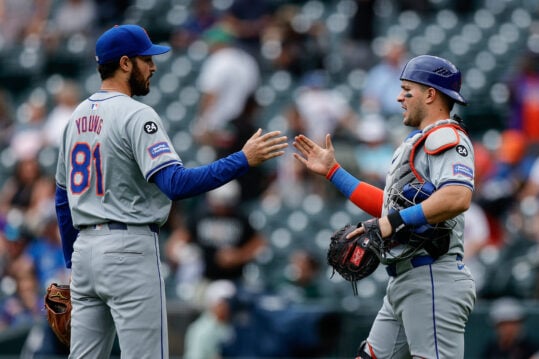
Behind the plate, the Mets are not elite, but they are far from vulnerable. Francisco Alvarez is often judged harshly because his bat draws attention, but his defensive growth deserves recognition.
Despite a brutal season physically that included a hamate bone injury, fractured fingers, and time spent in Triple-A, Alvarez improved his caught stealing percentage for the third straight year. He threw out 14 runners and allowed 41 steals. His Defensive Runs Saved finished at minus five, and his Framing Runs were also negative, but context matters. He has been positive in both areas before, and injuries tend to show up in subtle ways at catcher.
A healthier year could easily swing those numbers back into the black.
Backing him up is Luis Torrens, who quietly led the league in caught stealing percentage at 40.8 percent. That is not a footnote. That is a weapon.
Center Field Changes Everything
Then there is Luis Robert Jr., still just 28 and firmly in his physical prime. Calling him an athletic freak is not exaggeration. He makes center field look effortless, the kind of player who erases mistakes before they turn into extra bases.
Robert posted seven Outs Above Average last season, a number that places him comfortably among the league’s best. More importantly, his presence allows everyone else to relax. Outfielders shade less. Pitchers trust more. Defensive alignment becomes cleaner.
The Mets needed that.
A Different Kind of Confidence
This roster looks different than the one fans grew used to. Pete Alonso is gone. Brandon Nimmo is gone. Jeff McNeil and Edwin Diaz are gone too. Those names carried weight. They also carried risk.
The Mets chose structure over sentiment. And while they may still be one frontline starter away from truly challenging for the division crown, the foundation is there.
Pitching and defense win in October. That truth has not changed.
The Mets are finally acting like they believe it.