

The Mets are methodically rebuilding their roster, but patience often comes with the sting of missed opportunities. While the front office has been disciplined in its pursuit of talent, they recently watched a prime target slip through their fingers and head north to a division rival of their crosstown neighbors.
According to reports, the Mets were actively engaged with the St. Louis Cardinals regarding first baseman Willson Contreras, but the Boston Red Sox swooped in to finalize the deal first.
Jon Heyman of the New York Post shed light on the situation, noting the strong pipeline between the two trade partners: “The Mets tried for Willson Contreras before he went to the Red Sox. That was new Cardinals honcho Chaim Bloom’s third trade with Boston, which makes sense since he’s familiar with their system.”
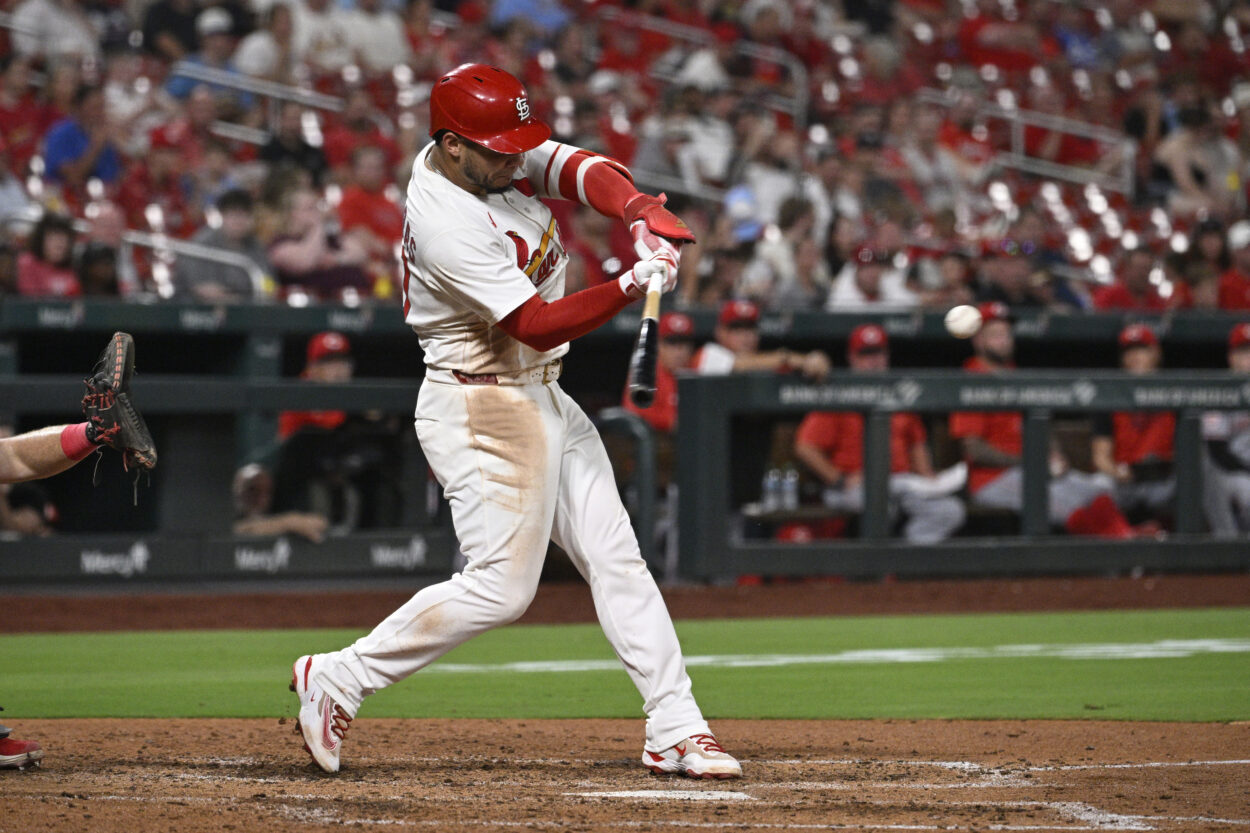
A Perfect Replacement for Pete Alonso
Looking at the numbers, it is easy to see why the Mets were interested in the 33-year-old veteran to help fill the void left by Pete Alonso. Contreras remained a productive offensive force in 2025, hitting .257 with 20 home runs and a .791 OPS. He brings a disciplined bat that still possesses elite pop; his underlying metrics were spectacular, ranking in the 95th percentile for Bat Speed and the 87th percentile for expected weighted On-Base Average (xwOBA).
Unlike many aging sluggers who sell out for power, Contreras makes loud contact consistently. He ranked in the 86th percentile for Barrel Percentage and the 83rd percentile for Hard-Hit Rate, proving that his bat is far from slowing down. Defensively, he would have been a massive upgrade at first base as well, boasting 90th percentile Range (Outs Above Average), giving the infield a level of athleticism it has lacked in recent years.
Settling for Internal Options
With Contreras now in Boston, the Mets are forced to pivot to a less inspiring reality. The club will likely enter the 2026 season leaning on Mark Vientos and the recently acquired Jorge Polanco to handle first base duties. While Vientos offers power upside, he lacks the all-around stability Contreras provides, and Polanco is better suited for second base or DH.
The Mets’ reluctance to overpay for aging talent is a key tenant of David Stearns’ philosophy, and while it protects the farm system, it occasionally leaves the major league roster short on proven stars. Contreras was a “good player” who would have fit perfectly, but the familiarity between Chaim Bloom and his former organization in Boston ultimately greased the wheels of a trade that left New York empty-handed.