

There was a time when a 111 wRC+ from a familiar face would have bought plenty of patience in Queens. This winter, it bought Jeff McNeil a one-way ticket out.
The New York Mets, under president of baseball operations David Stearns, are no longer operating on nostalgia or comfort. They are acting with intent. On Monday, that intent became clearer when the Mets sent the 33-year-old McNeil and cash considerations to the Athletics in exchange for teenage right-hander Yordan Rodriguez. It was a move that said far more about organizational philosophy than the names involved.
A Clear Philosophical Shift in Queens
Stearns has wasted little time reshaping how the Mets think about roster construction. The emphasis now lives at the intersection of youth, controllability, and run prevention, a sharp pivot from the expensive, aging cores that defined recent seasons. That shift has not been subtle, and McNeil became its latest example.
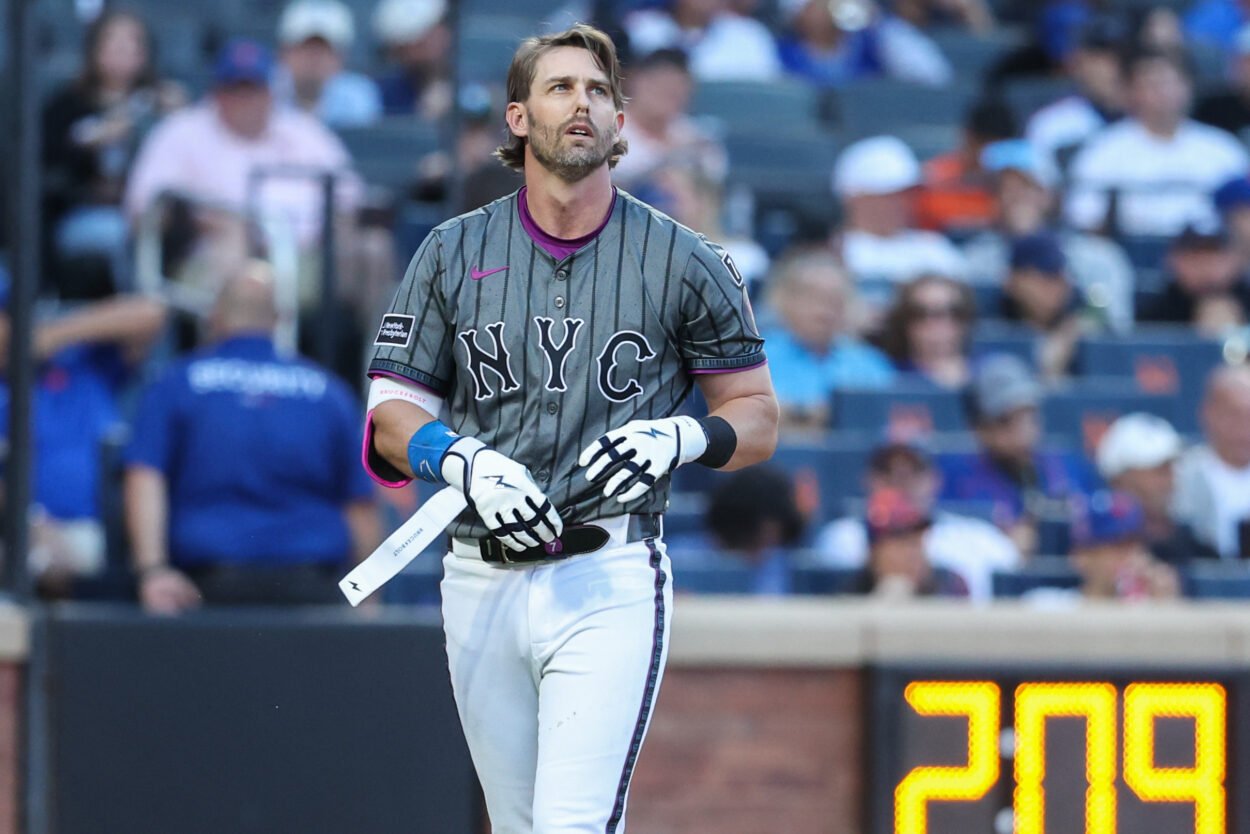
McNeil was not bad in 2025. He hit 12 home runs, ran a 111 wRC+, and provided the same steady professionalism he always has. But the Mets had already answered the question of where he fit by acquiring Marcus Semien to play second base and he had some clubhouse clashes with some team leaders. The combination of factors led to an exit.
This was not a performance-based exile. It was roster math, sprinkled with some other stuff.
Why the Mets Made This Trade Now
The trade itself was not about maximizing return. The Mets did not flip McNeil for a near-ready arm or an impact bat. They flipped him to get younger, leaner, and more flexible. Clearing salary mattered. Opening opportunity mattered. Aligning the roster with Stearns’ vision mattered most.
That does not mean the return was meaningless. Yordan Rodriguez may be years away, but he is the type of bet this front office wants to keep making. At 17, Rodriguez is barely at the starting line of professional baseball. The Mets are comfortable with that timeline. In fact, they prefer it.
Who Yordan Rodriguez Is, and Why He Fits
Rodriguez signed with the Athletics out of Cuba earlier this year for $400,000 and was assigned to the Dominican Summer League. In 15.1 innings, he posted a 2.93 ERA and struck out 20 hitters. Those numbers are encouraging, but the traits behind them are what caught attention across scouting circles.
According to Baseball America, Rodriguez showed a noticeable velocity jump this summer. His four-seam fastball sat in the low 90s and touched 96 mph, delivered with relatively low effort and above-average extension. He paired it with a low-80s slider that averaged nearly 2,700 rpm, a serious number for a teenager. He also showed feel for a changeup as an amateur, even if it was not featured much in pro ball.
He was not expected to crack the Athletics’ Top 30 prospects. That matters less than the fact that he ranked among the Top 20 pitching prospects in the DSL this year, according to Ben Badler. Scouts believe there are real starter traits here, even if everything is still raw.

Long-Term Thinking, Not Immediate Help
Rodriguez is not close. He will not be close for a while. Best case, the Mets are looking at three to five years before he sniffs a big league mound. That reality is baked into the decision. The Mets are not pretending otherwise.
What they are doing is stockpiling upside arms with time on their side. The organization has lacked that kind of pitching depth for years. If even one of these long-term bets pays off, it reshapes the system. If several do, it reshapes the franchise.
McNeil deserved better than being reduced to a line item, but this is the cost of clarity. The Mets know who they are trying to become now. Moves like this are not emotional. They are directional.
And for the first time in a while, the direction feels unmistakably intentional.