
The number mattered more than the name this time. Five years. That was the line the New York Yankees refused to cross, and when Cody Bellinger finally agreed to it, the offseason snapped into focus.
Bellinger Brings Clarity to the Outfield
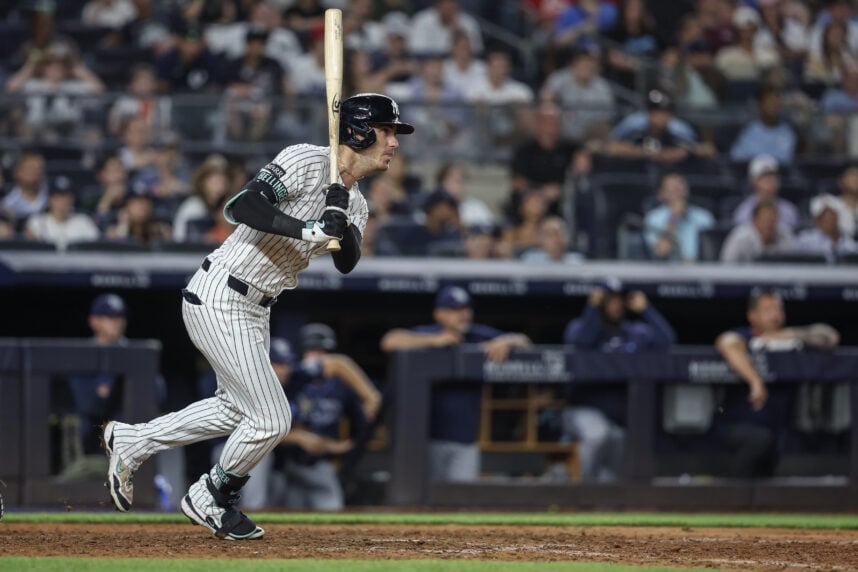
Bellinger’s five-year, $162.5 million deal does not radically change the Yankees’ identity, but it stabilizes it. The outfield picture now looks familiar: Trent Grisham in center, Aaron Judge in right, Bellinger in left, with Jasson Dominguez rotating in as the fourth outfielder.
Bellinger’s value here goes beyond the box score. Yes, the bat showed enough to justify the commitment, but his defensive flexibility and ability to absorb pressure in a market like New York quietly fit what this roster needed. The Yankees did not chase upside for the sake of it. They chased certainty.
That choice also signals something else. With Bellinger in place, the Yankees are done shopping for hitters. The remaining work is on the mound.
Starting Pitching Is the Real Endgame
The Yankees now turn their attention where it has lingered for months: starting pitching. The options are not clean.
Tarik Skubal might be the best arm available in theory, but the Tigers are asking for a king’s ransom that would gut even a strong system. Framber Valdez brings frontline ability but also age and cost concerns at 32. Zac Gallen has pedigree, but his recent workload and durability questions make him less of a sure thing than his reputation suggests.
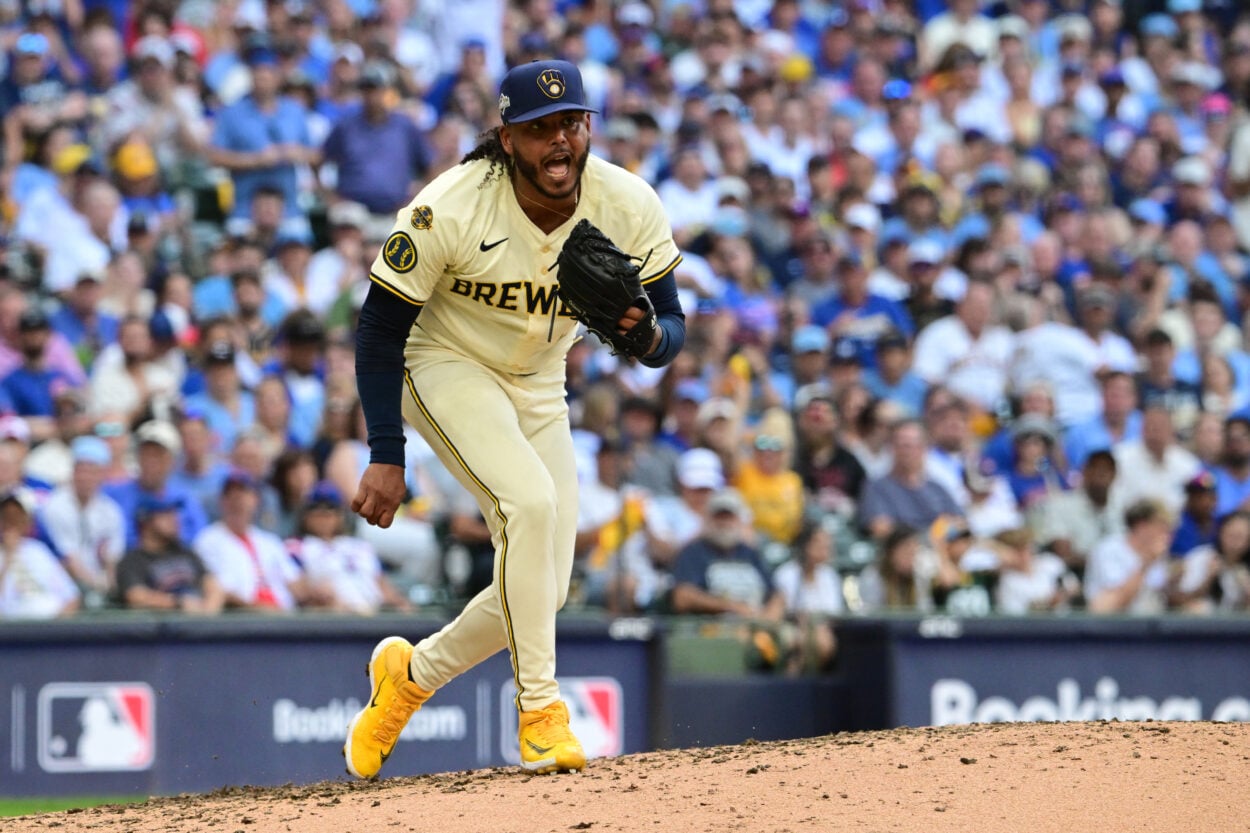
That narrows the focus to Freddy Peralta, and the appeal is obvious. A 2.70 ERA. Two hundred four strikeouts. Thirty-plus starts for a third straight season. This is not projection. This is production.
Peralta fits what the Yankees need right now. He misses bats, he takes the ball every fifth day, and he does not come with the mileage of some older aces. The problem is that the Yankees are not alone in seeing that fit.
Mets, Dodgers, and a Brewing Bidding War
The Mets are right there, and perhaps better positioned. After landing Luis Robert Jr. in a late-night splash, they also have one clear box left to check: starting pitching. Unlike the Yankees, the Mets can overwhelm Milwaukee with prospect depth and quality. Jonah Tong, Brandon Sproat, and Jett Williams are names the Brewers already like, and that matters in these conversations.
The Dodgers complicate things further. They have both the prospects and the young major leaguers to make Milwaukee listen, and the idea of Los Angeles walking away with both Kyle Tucker and Peralta in the same offseason is no longer far-fetched. The Giants and Braves are circling, too, each capable of pushing the price higher.
This is where the market tilts away from New York. The Yankees can certainly compete, but they are unlikely to win a pure volume play. Their path would require precision, not excess.
Milwaukee Holds the Leverage
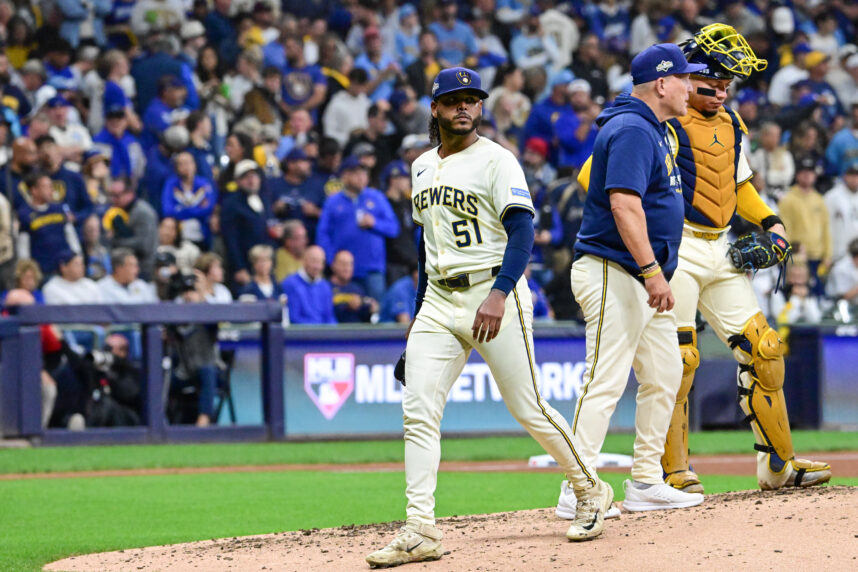
Quietly, the Brewers may be the biggest winners in all of this. The Bellinger signing clarified the Yankees’ priorities. The Robert trade did the same for the rival Mets. Every contender with rotation questions now sees Peralta as the cleanest solution, and Milwaukee knows it.
That leverage only grows with every new bidder. The Brewers can wait. They can demand impact. They can let the New York teams sweat it out while Los Angeles lurks.
The Yankees got their man in Bellinger, on their terms. The next move will test whether discipline still applies when the stakes are higher, the options thinner, and the competition louder.