
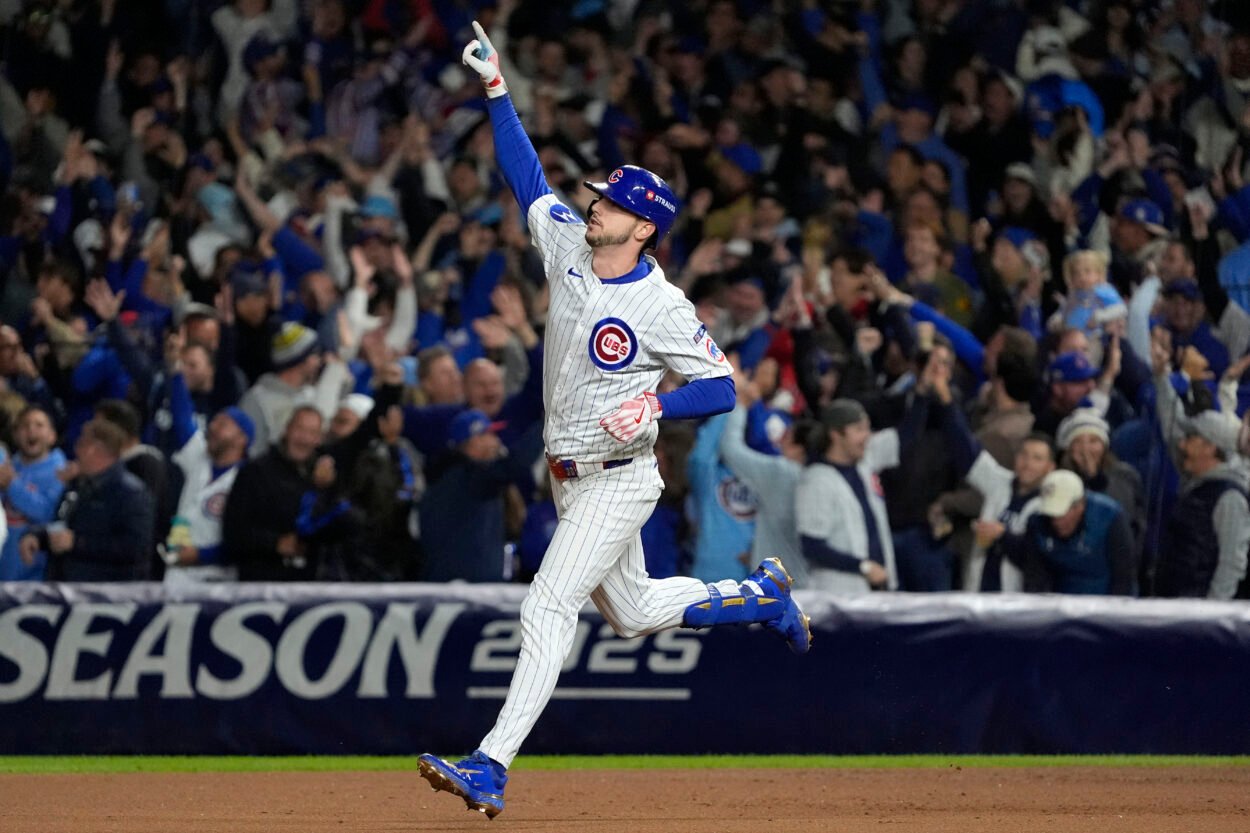
The numbers don’t lie, but the depth chart does.
Right now, the New York Mets can glance at their outfield situation and feel a familiar tightness. Juan Soto is there, planted firmly as a franchise cornerstone. After that, it gets thin fast. Tyrone Taylor. Carson Benge. And that’s essentially the list after the departures of Brandon Nimmo, Jeff McNeil, Cedric Mullins, and Jose Siri.
For a team that still believes its competitive window is cracked open, that simply isn’t enough.
An Outfield Built on One Pillar
The Mets are not one outfielder away from being “fine.” They probably need two legitimate starters to stabilize the group. But there is a difference between patching holes and changing the geometry of a roster. Kyle Tucker does the latter.
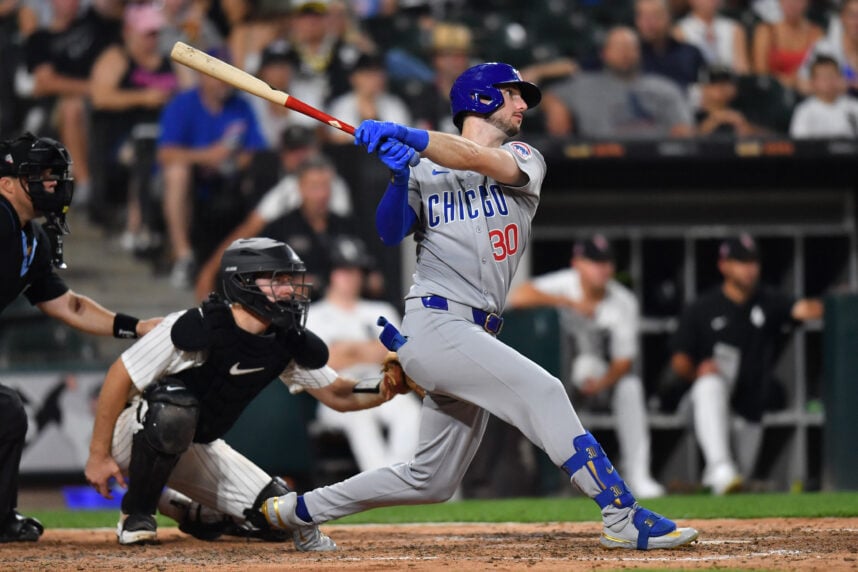
If the New York Mets somehow land Tucker, the conversation shifts immediately. Soto and Tucker together would give them one of the most dangerous corner outfield pairings in baseball, regardless of who fills the remaining spot. It would stop being about survival and start being about advantage.
That’s why, despite public links to Cody Bellinger, the Mets’ interest in Tucker feels more purposeful. Even in what many labeled a down year, Tucker posted a 136 wRC+, 4.5 fWAR, 22 home runs, 25 stolen bases, and struck out just 14.7 percent of the time. That last number matters. It speaks to control, adaptability, and a hitter who doesn’t age overnight.
The Contract That Changes Everything
The problem is not talent. It’s time.
The Mets have drawn a clear line this winter. They are avoiding long-term commitments, even when it hurts. Losing Pete Alonso and Edwin Diaz underscored that reality. This front office wants flexibility, not ten-year anchors.
That philosophy collides directly with Tucker’s market. Around the league, his value has been whispered at $350 to $400 million over nine or ten years. That kind of deal is built on security, not creativity.
According to Will Sammon, the Mets would prefer a short-term contract of fewer than four years at a massive AAV. Other teams, notably the Blue Jays, are expected to go much longer. That’s the tension point.
Why Tucker Might Still Listen
Players like Tucker are justified in chasing length. Baseball careers are fragile, and the second contract is often the last truly free one. But there is another path, and the Mets are uniquely positioned to offer it.
Three years. Around $50 million per year. Opt-outs involved, potentially after the first or second year.
That structure could change the math. Tucker gets elite yearly earnings and the chance to re-enter the market relatively quickly if things break right. The Mets get a superstar without sacrificing a decade of payroll flexibility.
It’s risky for both sides, which is usually how real leverage works.

Waiting Game in Queens
Nothing feels imminent. And that might actually help the New York Mets.
As days pass and long-term offers fail to materialize, short-term creativity becomes more attractive. Every stalled negotiation nudges leverage away from years and toward dollars. The Mets are betting on patience, not panic.
They still need outfield help badly. That urgency hasn’t changed. But if the market bends even slightly, the Mets could find themselves holding the most interesting offer on the table.
Sometimes roster construction isn’t about who wants you most. It’s about who’s willing to wait the longest.