
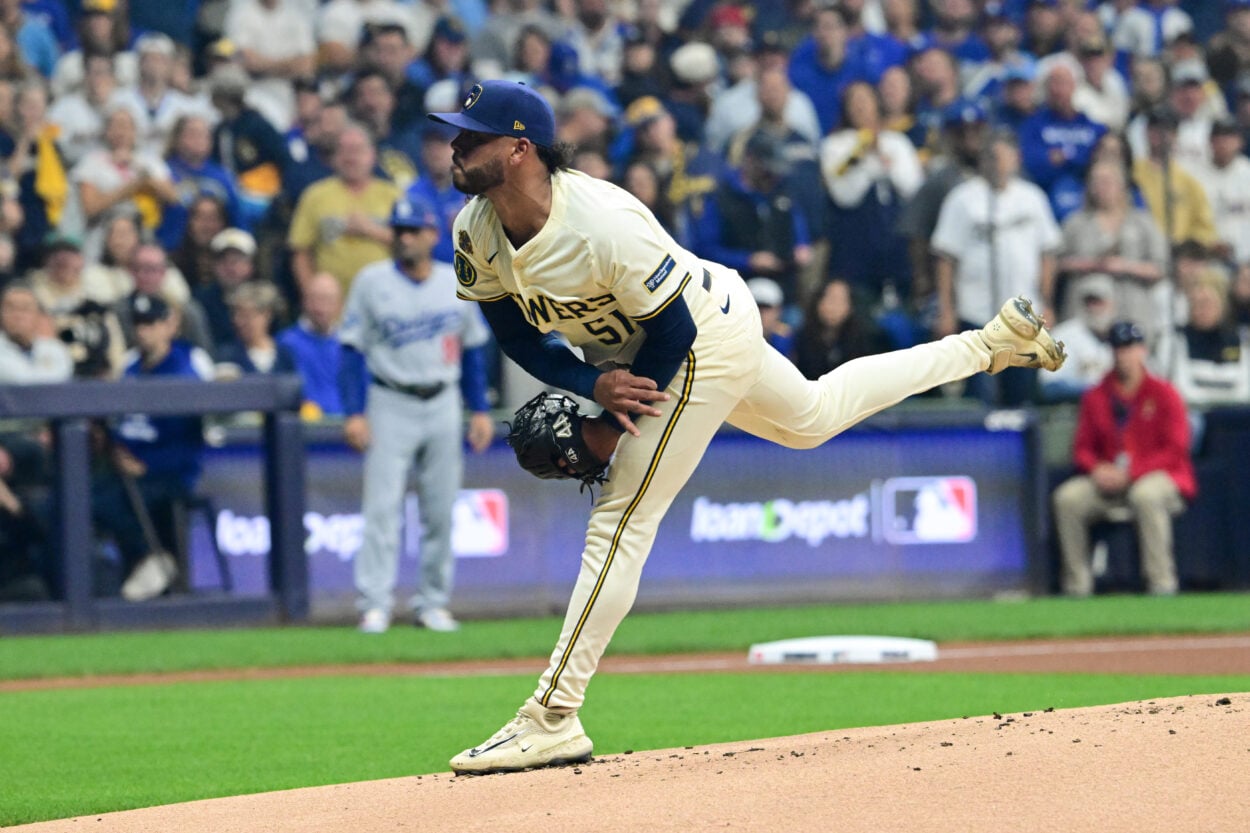
The waiting game is officially over. After weeks of rumors, flirtations, and staring contests with rival GMs, Mets‘ David Stearns finally pulled the trigger on the blockbuster we all knew was coming. On Wednesday night, the Mets acquired frontline starter Freddy Peralta and right-hander Tobias Myers from the Milwaukee Brewers, effectively telling the rest of the National League that 2026 is World Series or bust.
It wasn’t cheap. In fact, the price tag was steep enough to make even the most aggressive fan flinch. To land their ace, the Mets shipped off two of their prized jewels: pitching prospect Brandon Sproat and infielder Jett Williams. But let’s be honest here. You don’t win championships hoarding prospects in Syracuse; you win them by putting guys like Peralta on the mound in October.
Peralta Is the Ace This Rotation Was Screaming For
If you’re wondering why Stearns was willing to part with legitimate top-tier talent for a guy hitting free agency in 2027, just look at the numbers. Peralta was absolutely electric in 2025. He went 17-6 with a sparkling 2.70 ERA over 33 starts, proving he can handle the workload of a true number one.
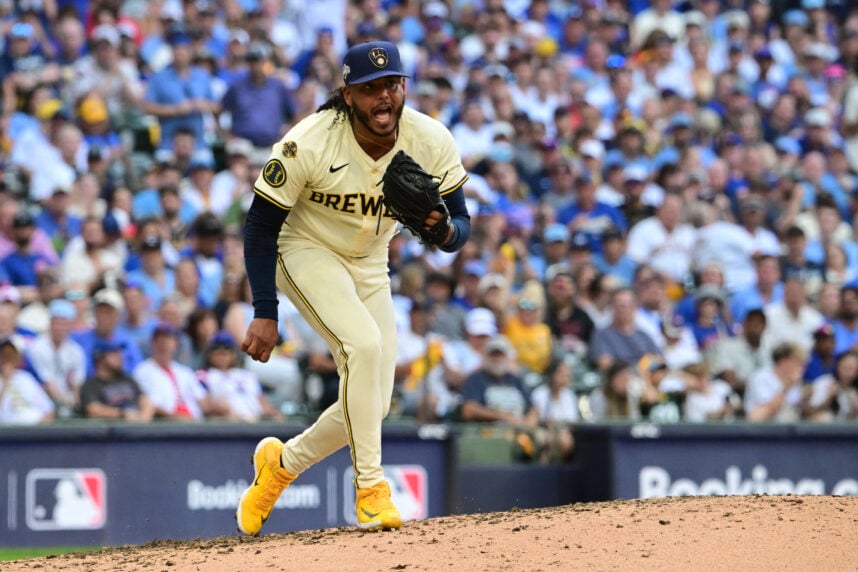
He isn’t just getting lucky, either. Peralta misses bats at an elite clip, racking up 204 strikeouts in 176.2 innings last season. His underlying metrics are just as terrifying for opposing hitters, as he ranked in the 97th percentile for Pitching Run Value and the 96th percentile for Offspeed Run Value. When you have a guy holding batters to an expected batting average (xBA) of .206 (85th percentile), you pay the ransom.
The Painful Price of Doing Business
We can’t pretend losing Brandon Sproat doesn’t sting. However, he struggled mightily in 2025, and that prompted the Mets to send him on his way. He posted a 4.29 ERA in Triple-A and a 4.79 ERA in the majors over a 20-inning sample. It wasn’t good enough to make him untouchable.
Then there’s Jett Williams. This is the one that might divide the fanbase. In Double-A, Williams was a monster, posting a absurd 156 wRC+ and getting on base at a .390 clip. He looked untouchable. But the jump to Triple-A was a wake-up call. In 34 games at the highest minor league level, his production plummeted to an 81 wRC+ with a .209 batting average.
Did Stearns sell high on a guy who hit a wall, or did he just trade a future All-Star? That’s the gamble. But with Peralta now anchoring a rotation that desperately needed stability, it’s a gamble the Mets had to make. The farm system took a hit, sure, but flags fly forever.