
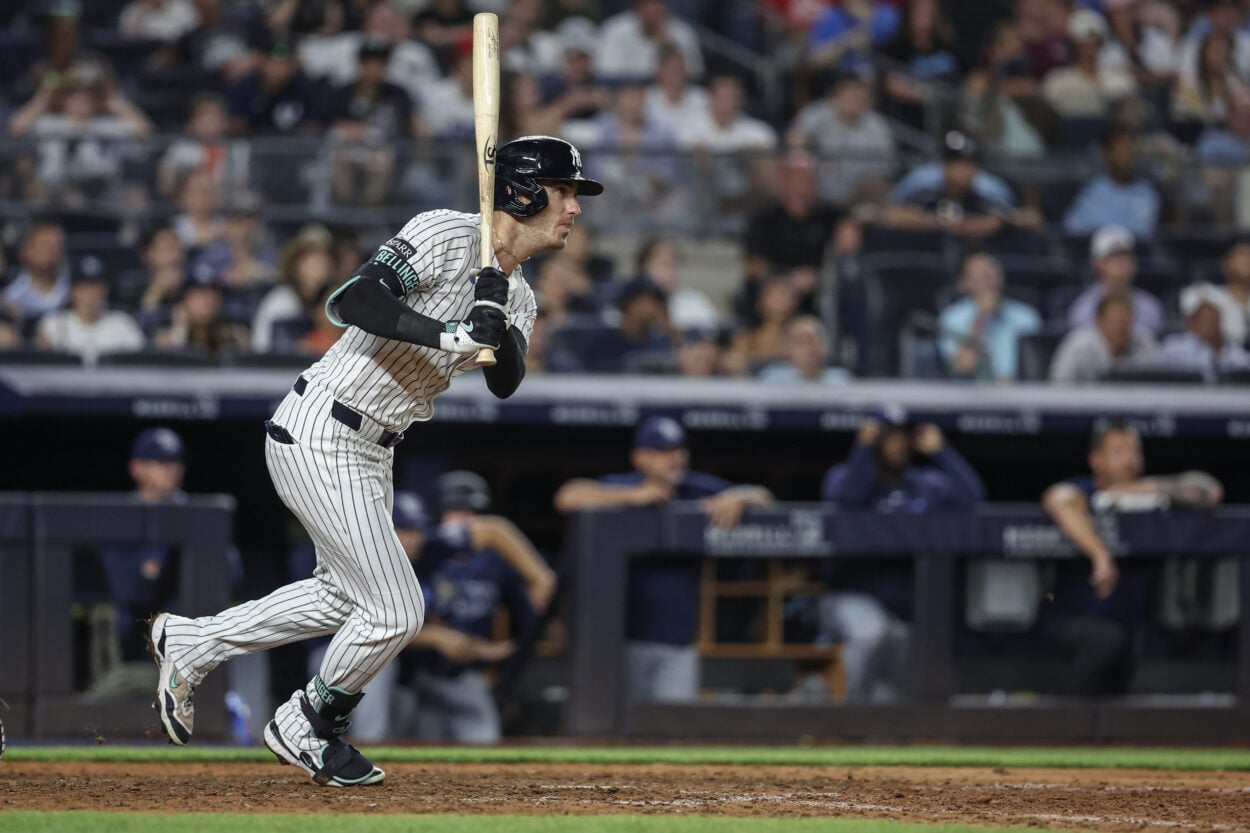
The number that keeps sticking is not 240. It is 220. That was the New York Mets’ final offer to Kyle Tucker, and it tells you how serious they were about their pursuit of the superstar. When Tucker chose the Dodgers and their four-year, $240 million deal, it felt like a gut punch. It also felt like a moment that would define how aggressive the Mets truly planned to be.
They answered that question in less than 24 hours.
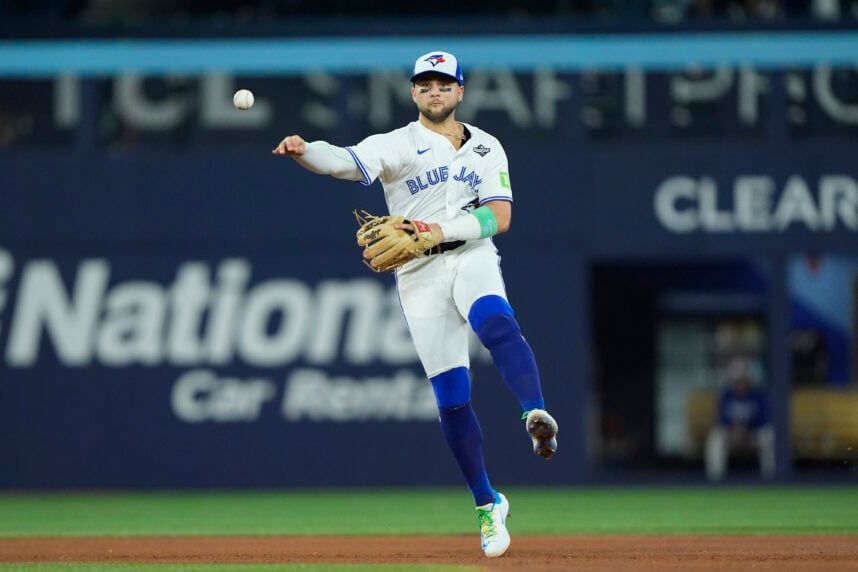
On Friday, the Mets pivoted hard and fast, swooping in to land Bo Bichette after he already had a seven-year, $200 million agreement lined up with the Phillies. That matters. Stealing a player from a division rival always does, but the speed of the move revealed something else. The Mets were not sulking. They were recalibrating in real time.
A Pivot That Changed the Winter
The Bichette deal was expensive, but not reckless. Three years, $126 million, with opt-outs baked in. That structure gives the Mets flexibility while still securing a high-end bat and an infielder who has been one of the most consistent offensive performers in the game. Bichette does not need to be sold as a star. His track record already does that.
More importantly, the Mets did not treat the Bichette signing as a finish line. It was a move, not the move. That distinction matters as the rest of the offseason board continues to shift.
The clearest signal came almost immediately.
Cody Bellinger Is Still Very Much on the Radar
“The Mets are still in play for free agent first baseman/outfielder Cody Bellinger,” Pat Ragazzo reported on Friday, and there is no reason to dismiss that as leverage talk. The Mets have already proven they are willing to jump lanes if the opening appears.
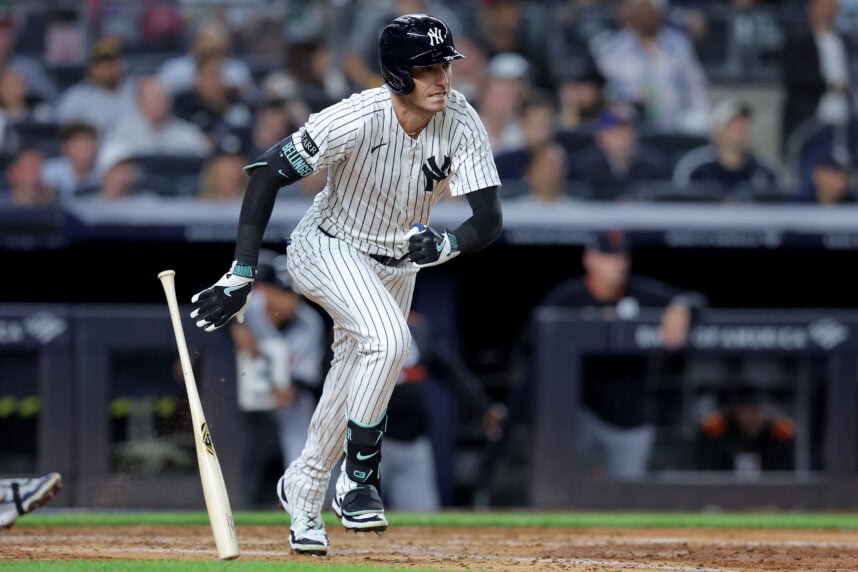
Bellinger is coming off a strong season with the Yankees, posting a 125 wRC+ with 29 home runs and 98 RBI. He rebounded into the kind of middle-of-the-order threat teams pay for, and the Yankees are understandably working to bring him back. They remain the favorites.
Still, this is familiar territory for the Mets. Bichette was supposed to be a Phillie. That did not stop anything.
The Mets’ Outfield Problem Is Not Subtle
This is where Bellinger fits cleanly into the Mets’ current reality. Right now, Juan Soto is the only outfield spot you can ink in without hesitation. Tyrone Taylor’s offense remains a question, Carson Benge’s readiness is unknown, and beyond that the depth chart gets thin fast.
There has been internal discussion about sending Brett Baty to left field, but that idea comes with obvious risk. It is a new position, and it is not fair or smart to treat Baty as a full-time solution there right away. The Mets know that.
Bellinger, meanwhile, solves multiple problems at once. He can play all three outfield positions. He can handle first base, which is another spot in which he can contribute, given Jorge Polanco’s inexperience there. He gives the Mets lineup flexibility and protection for Soto, and he reduces the need to force players into uncomfortable roles.
The Price Is the Complication
None of this comes cheap. Bellinger is reportedly seeking a seven-year deal worth $37 million per season. That is a massive commitment, even for a Mets front office that has shown a willingness to spend. The question is not whether the Mets can afford it. They can. The question is whether they believe this roster is one move away from a clear next step.
What is undeniable is the posture. The Mets missed on Tucker, then immediately took Bichette off the board, and now remain active in the top tier of the market. This is not reactive chaos. It is targeted aggression.
If the Mets believe Cody Bellinger completes something real, the last few days suggest they will not hesitate.